UK and EU seek compromise on student fees as broader deals hang in balance
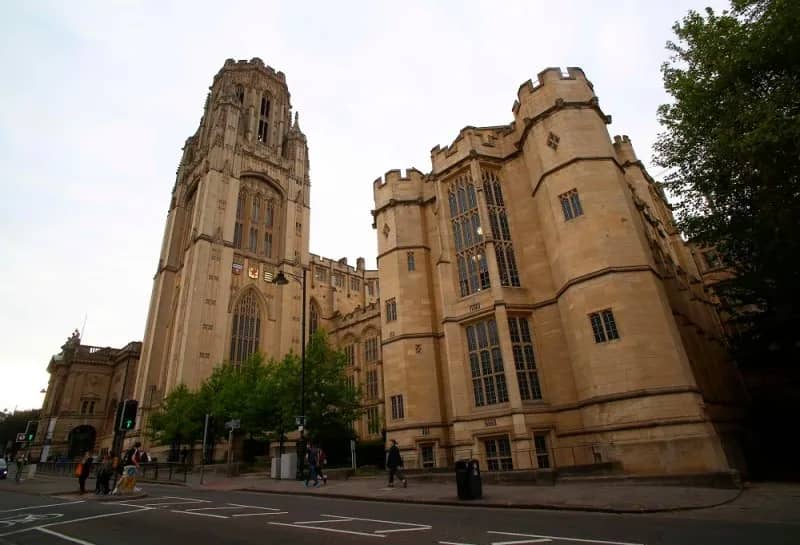
When Britain left the bloc following a 2016 Brexit referendum, European youngsters had to start paying the same as other international students. — AFP pic
LONDON, Nov 28 — Britain and the European Union are haggling over tuition fees as part of a post-Brexit reset of relations, worrying UK universities gripped by a funding crisis.
How could the tricky negotiations impact UK Prime Minister Andy Burnham’s desire for closer co-operation with the 27-nation bloc?
Three agreements
Burnham and EU chiefs Ursula von der Leyen and Antonio Costa signed three modest agreements at a Brussels summit on November 20.
They included measures to ease checks on British food and drink exports, link carbon emissions trading systems and ease youth mobility.
But the two sides remained stuck on a major source of disagreement: how much students from EU countries should pay to attend a British university.
They gave themselves six months to work it out, meaning a deadline of May 2027.
Brexit impact
When Britain was in the EU, undergraduate students from European countries typically paid the same as their British counterparts to attend UK universities.
But when Britain left the bloc following a 2016 Brexit referendum, European youngsters had to start paying the same as other international students.
It meant that their fees soared from around £9,000 (RM48,577) per year to somewhere between £15,000 and around £35,000, costs that many EU students and their families decided they could not afford.
The Higher Education Policy Institute think-tank estimates the number of first-year students from EU countries at UK universities plummeted from 60,220 in 2015/16 to 27,195 in 2024/25.
Negotiating positions
The EU is demanding that European students again pay the same fees as British students, currently set at a maximum of £9,790 annually in England and Wales.
The Russell Group, a cohort of 24 leading British universities, estimates that would cost higher education institutions £570 million ($748 million).
Universities already face massive funding shortfalls due to rising costs and domestic fees that have failed to rise with inflation.
In recent years, they have become increasingly reliant on the higher fees paid by overseas students.
Universities UK chief executive Vivienne Stern told AFP the negotiations with Brussels must proceed “carefully” to ensure UK institutions are not “weakened” by any agreement.
Burnham sought to allay fears in the sector when he told parliament on Wednesday that the possibility of EU students paying so-called home fees “won’t be put on the table”.
Compromise?
The stakes appear high because EU countries are insisting that completing negotiations on tuition fees is linked to implementation of the other deals. London insists they are separate.
The agricultural goods deal is to enter force in March 2028 while the youth experience scheme allowing 100,000 under-30s from each side to reside for up to three years in the other’s territory for work, study or travel — is expected to be up and running by 2030.
Charles Grant, director of the Centre for European Reform think-tank, said failure to agree on fees would see the EU “go slow” on implementing the other agreements.
“I think there will be a deal that EU countries pay more than British students pay, but less than other third-country people pay,” he told AFP.
UK media reported this month that London was prepared to offer discounted fees — and would pay universities £450 million for the loss of income — if it was granted access to the EU’s “Made in Europe” industrial protection programme.
An EU diplomat told AFP the bloc was “pretty confident” a compromise could be found.
The issue may be overtaken by discussions over Britain’s long-term future with the EU, with Burnham promising to soon lay out options that could include applying to rejoin. — AFP
KioskNews shows a cleaned-up reading view extracted from the publisher’s page — the original always lives on their site, not ours.