Japan's radical past: Retracing the far-left groups of the 1970s
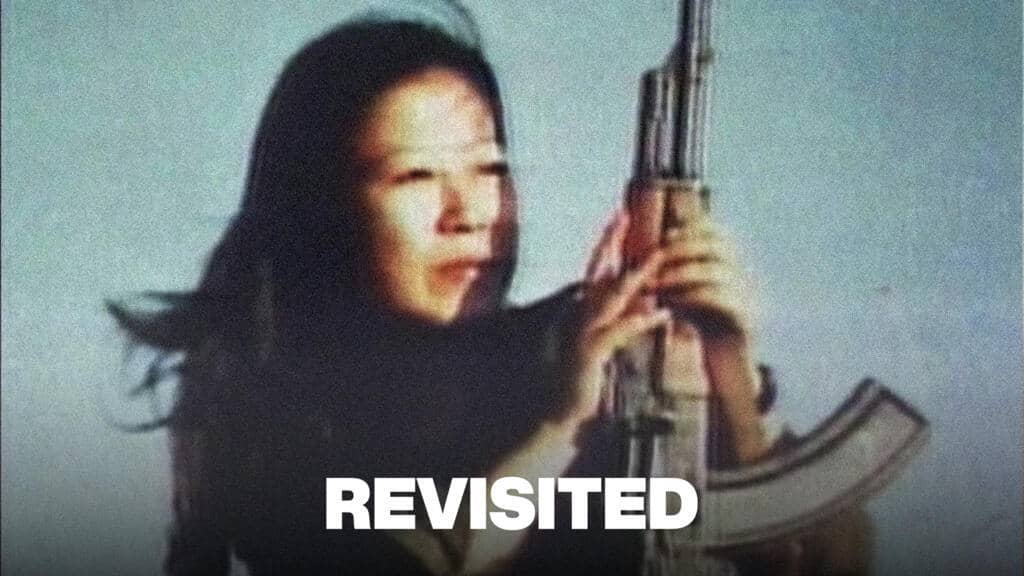
Our correspondents delve into the history of Japan's radical left in the 1970s. From the United Red Army to the Japanese Red Army, several movements turned to armed struggle and violent action. More than half a century on, our team met with two former militants.
In the late 1960s, Japan experienced a wave of student and worker unrest. At the end of the decade, a small group of far-left activists turned even more radical – with violent results. They founded the Red Army Faction and went underground. Hunted by the police, some took refuge in the early 1970s in the mountains of central Japan to prepare for armed struggle under the new name of the United Red Army. But the first victims would be from within their own ranks: 12 activists were executed during internal purges, in self-criticism sessions that turned into lynchings.
Then came the Asama Lodge incident: a hostage-taking, a 10-day siege and live coverage on Japanese television. The event traumatised the public and marked the end of the revolutionary student movement.
But at the same time, the struggle continued abroad. A second group, based in Lebanon to support the Palestinian cause, took the name Japanese Red Army. It was led by a woman, Fusako Shigenobu, the so-called Red Queen. Members of that group were notably responsible for the 1972 attack on Tel Aviv Airport, which left 26 people dead.
Decades later, our correspondents in Japan managed to meet with the Red Queen, who spent many years in prison. FRANCE 24's Alexis Bregère, Mélodie Sforza, Ayana Nishikawa and Aruna Popuri report.
KioskNews shows a cleaned-up reading view extracted from the publisher’s page — the original always lives on their site, not ours.