Can China champion the Global South without speaking for it?
Travelling through South America earlier this year, I was repeatedly reminded of China’s growing importance. At Ezeiza International Airport in Buenos Aires, I spotted the logo of the Industrial and Commercial Bank of China. ICBC acquired an 80 per cent stake in Standard Bank Argentina in 2012, establishing a significant presence.
In Buenos Aires, my friend Diego García, a publisher, offered a useful perspective: Argentina does not have to choose between China and the United States. It should work with both, pursuing its own interests.
As a Chinese-born writer working on a book about my South American journey, I found his observation illuminating. A country can value Chinese investment while maintaining other partnerships and deciding its own course.
Must countries of the Global South choose a leader at all? From Beijing or Washington, those relationships can look like a contest for allegiance. For the countries themselves, the priority may be to widen their choices.
The Global South is a loosely defined group of around 130 countries. Unlike Brics, it has no official membership list or common institutional framework. We often ask whether Beijing can lead it, but less often whether these diverse countries want anyone speaking on their behalf.
China has much to offer developing countries. Its emergence from widespread poverty and transformation into an industrial powerhouse provide valuable experience. Through the Belt and Road Initiative, China has financed infrastructure projects and strengthened economic ties across the Global South.
16:09
How China is reshaping its economic ties with Africa
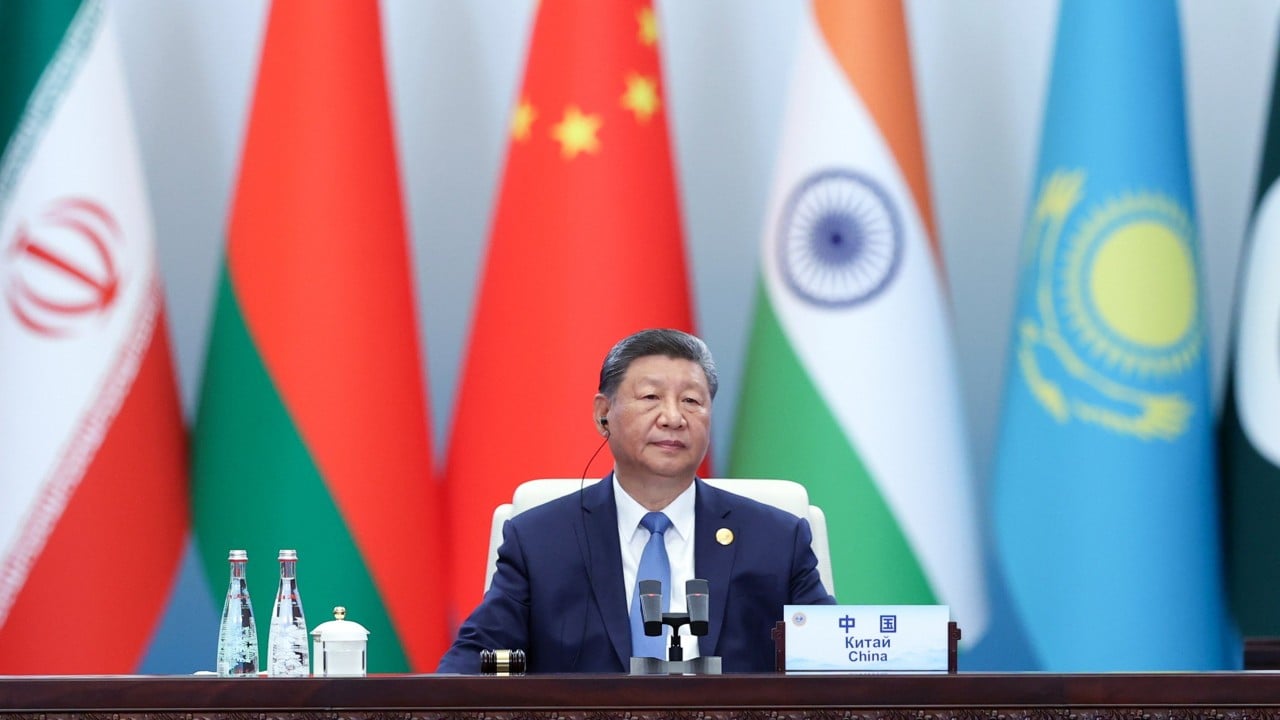
Beijing has repeatedly emphasised solidarity with developing countries. In March last year, Foreign Minister Wang Yi described China as a natural member of the Global South and called on these countries to “speak in one voice” to defend their common interests.
Six months later, President Xi Jinping unveiled his Global Governance Initiative, calling for a more equitable international order and a greater voice for developing nations. Dr Yu Jie at Chatham House has interpreted Xi’s wider initiatives as evidence of Beijing’s determination to rewrite the rules of global governance, historically dominated by the West.
China’s challenge to Western dominance resonates with nations that have experienced colonialism, intervention and exclusion. Many regard the international order as unfairly tilted towards wealthy Western countries, giving them disproportionate influence over decisions affecting everyone.
There is nothing inherently wrong with China aspiring to lead. Its economic strength and diplomatic clout give it considerable weight. It can champion developing countries, particularly in pushing for a more equitable international order.
But championing a cause is not the same as claiming to speak for everyone who shares it. The Global South has no elected leader, common political programme or single set of interests. Economic might alone does not confer the right to represent others.
07:23
Xi Jinping urges SCO summit members’ cooperation and the setting up of a development bank
Nor does economic influence automatically translate into political allegiance. Countries may welcome Chinese investment and trade without wishing to follow Beijing’s diplomatic positions or political model. China’s challenge is to turn its economic relationships into constructive partnerships without expecting political loyalty in return.
SCMP Plus is a new premium news platform that gives you an
all-inclusive edge to stay ahead on China news.
To access our exclusive content you’ll need to subscribe.
Already a subscriber?
LOG IN
Indeed, shared historical grievances do not always produce shared contemporary interests. This diversity raises a fundamental question: who decides what the Global South wants? When Beijing advocates reforms to international financial institutions, it may be advancing widely shared interests. But on trade, security or climate policy, those interests can diverge sharply.
Genuine leadership requires more than economic power. It calls for cooperation, a willingness to listen and a readiness to compromise when necessary.
India illustrates the limits of Chinese leadership. As the world’s largest democracy and another major developing economy, it has its own ambition to shape the international order. It participates in Brics alongside China, yet remains a strategic rival with competing regional interests. India is hardly likely to accept Beijing as its natural spokesman.
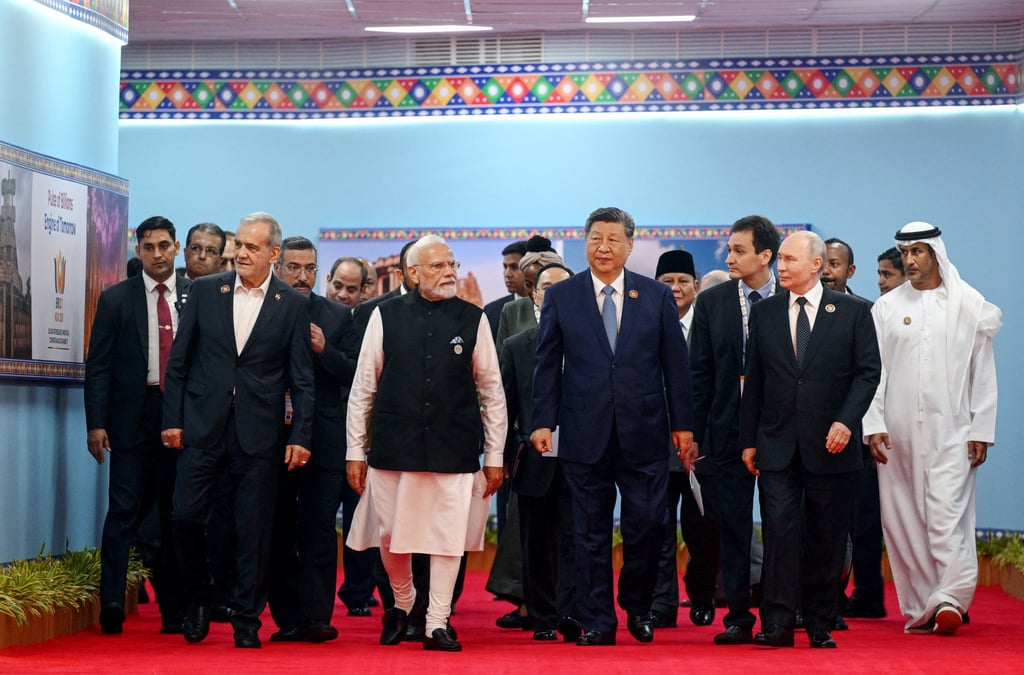
Brazil offers another perspective. It cooperates closely with China while insisting on an independent international role. During a visit to Indonesia in October last year, President Luiz Inacio Lula da Silva declared that neither country wanted a second Cold War. Both seek greater self-reliance and the freedom to pursue their interests.
China has long defended its sovereignty and resisted attempts by powerful countries to dictate its choices. Other developing nations are equally protective of their independence.
If China wants to challenge an international hierarchy in which powerful countries speak for weaker ones, it must be careful not to reproduce that hierarchy. A multipolar world would offer little improvement if it simply replaced one dominant voice with several competing ones.
This does not mean China should refrain from taking the initiative. It can build coalitions around shared interests, from reforming international financial institutions to expanding access to technology and climate finance. By supporting institutions that give developing countries a meaningful voice, Beijing could exercise leadership without demanding political allegiance.
My South American journey reminded me how much disappears when we view other societies primarily through their relationship with our country. As Diego suggested, Argentina wants to work with both China and the US on its own terms. Perhaps that is the measure of genuine leadership: not how many countries follow Beijing, but how much freedom they retain to choose their path, including the freedom to disagree with China.
KioskNews shows a cleaned-up reading view extracted from the publisher’s page — the original always lives on their site, not ours.