Martin Lewis reveals key tip to beat new year energy spike
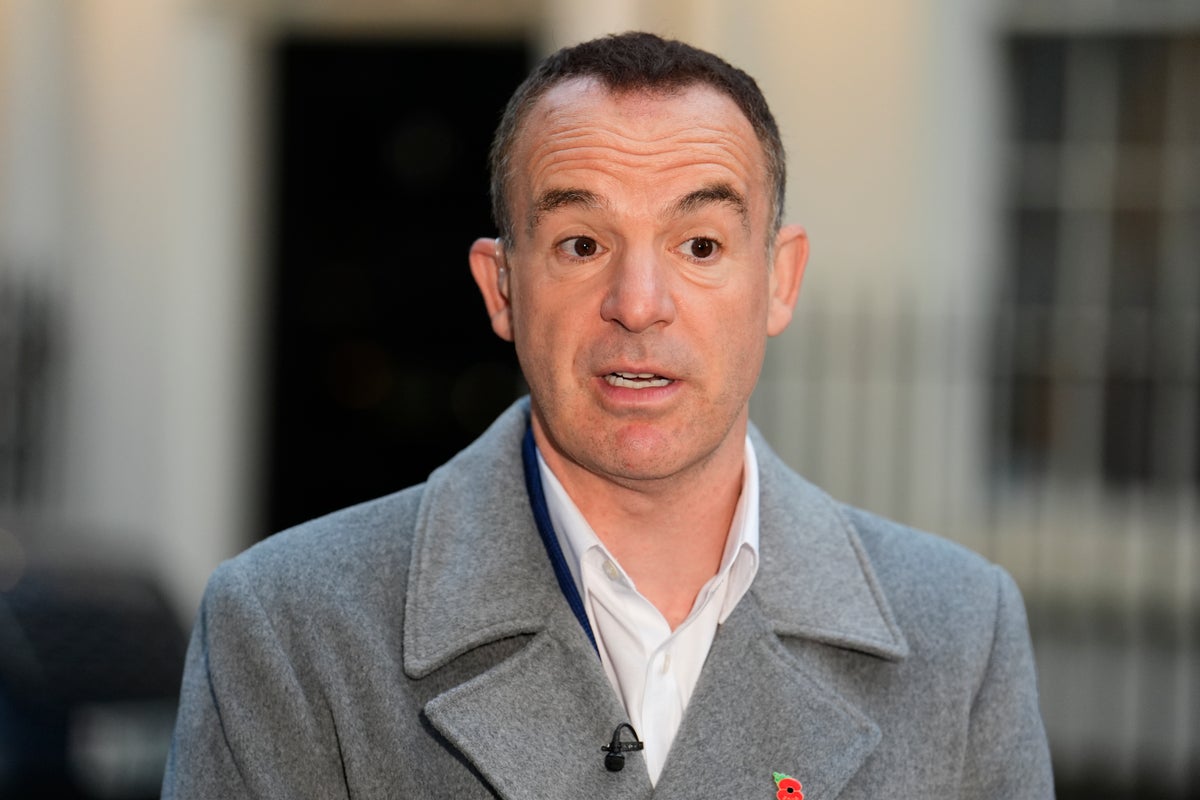
Money expert Martin Lewis has shared his key advice to reduce energy costs as a sharp price hike is confirmed for the new year.
Ofgem’s energy price cap is set to rise by £443 a year from January, the regulator announced, taking the annual bill for the average household to £2,166.
This marks a 26 per cent rise from the current rate of £1,723, and will bring the cap to its highest level in four years.
The energy price cap limits the daily standing charge and the prices suppliers can charge for each unit of gas and electricity on standard variable tariffs.
While it is expressed as an annual bill for a typical home, it does not cap total spending, meaning households that use more energy will pay more than the headline figure.
The steep rise follows a surge in wholesale gas prices in recent months, driven by conflict in the Middle East that is disrupting global supplies.
Colder winter weather has also increased demand across Europe, putting further upward pressure on prices.
To get ahead of the drastic rise, Mr Lewis recommends all households consider moving to a fixed energy tariff – pointing out that 60 per cent are still not on one.

Invest at least £100 in Stocks or ETFs of your choice. Get fractional shares worth £50!
Terms and conditions apply.
Go to websiteADVERTISEMENT
Invest at least £100 in Stocks or ETFs of your choice. Get fractional shares worth £50!
Terms and conditions apply.
Go to websiteADVERTISEMENT
Speaking on The Martin Lewis Money Show Live, he said: “I cannot tell you that fixing will save you money because I would need a crystal ball.
“But I can tell you, the vast balance of probabilities means it will save you money over the next year, and if you are risk-averse and want to avoid those January price hikes, fixing is the sensible option.”
Rising wholesale gas prices mean there are fewer options on the market than in previous months.
The cheapest tariff recommended by Mr Lewis’s Money Saving Expert service comes from Fuse Energy, for 24 months at 1.3 per cent higher than the current cap – but around 19 per cent lower than the January level.
There is also an 18-month deal from EDF on the market at 2.8 per cent higher, and a 12-month offer from E.on at 7.8 per cent higher.
All three deals end on Friday, and it will likely become harder to find better rates as the new year approaches.
However, Mr Lewis advises this picture could change come the new year, telling viewers: “The price cap going up in January does not mean fixes will get more expensive in January. That depends on something totally separate: wholesale rates. They could go up, they could go down.”
For households already locked into a cheap fixed deal, Mr Lewis advised staying put until the final 49 days of the contract, when customers can switch without exit fees.
Those taking out a new two-year fix should also check early exit penalties, he added, so they can switch again if wholesale prices fall later in the year.
KioskNews shows a cleaned-up reading view extracted from the publisher’s page — the original always lives on their site, not ours.