Third of UK parents would struggle to afford stocking up for emergencies, new poll shows

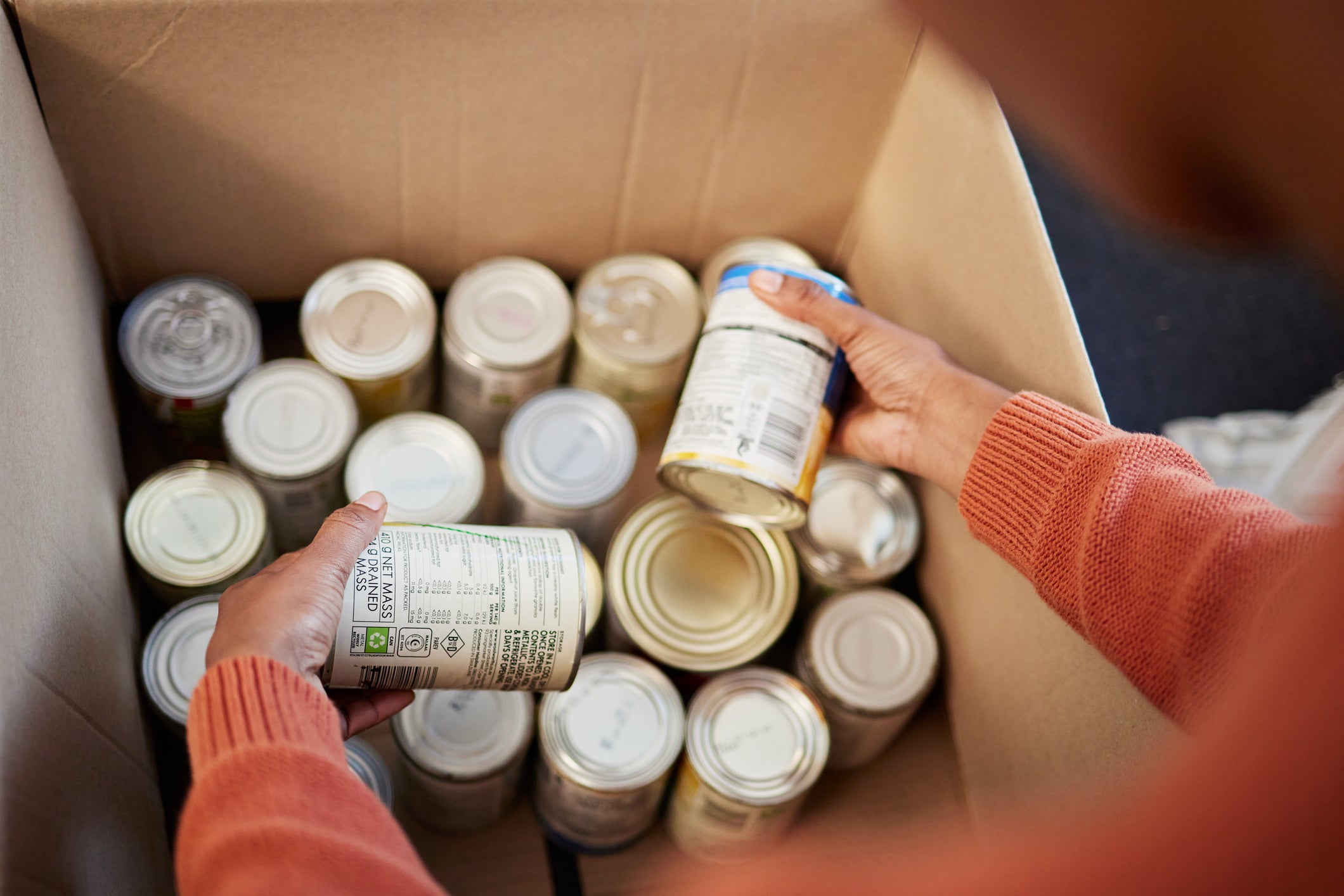
Three in 10 parents say they would struggle to afford to follow official advice on stocking emergency food and water supplies for extreme weather events, polling shows.
With two-thirds of families believing it is the government’s responsibility to safeguard the UK from food or water shortages, campaigners have urged ministers to make food security a national priority amidst "climate chaos".
Under the government’s Be Ready campaign, citizens are advised to prepare for potential disruptions to basic services by gathering three days’ worth of essential provisions.
However, research commissioned by parent-led climate movement Parents for Future indicates that buying three days of extra groceries and bottled water remains financially unfeasible for many households.
The YouGov survey of more than 1,000 parents with children aged 18 and under showed that 29% would find it difficult to afford to follow the guidance – rising to 45% among those earning less than £25,000 a year.
Furthermore, 65% of those polled felt the government should be primarily responsible for preparing the country for food or water disruptions during a national emergency, while 28% believed it is up to individuals or families.
And nearly four fifths (79%) were in favour of the government publishing a plan for keeping national food supplies available during emergencies.
Parents for Future UK is calling on ministers to meet with parents and carers to discuss how families already under pressure from the cost of food can be prepared for emergencies, and how the UK can protect food supplies as floods, droughts and heatwaves threaten harvests.
Parents for Future co-director Charlotte Howell-Jones said: “Andy Burnham is telling us to stock up on tins of beans and bottled water in case of climate extremes, but not every family can afford it.
“Over a third of parents on low incomes say they would struggle to follow emergency preparedness advice.”
And she warned: “With the weekly shop already costing more than it used to, the most vulnerable are at risk of going hungry in a crisis.
“It’s the government that needs to be prepping now to ensure all families have food they can count on in emergencies.
“As climate chaos wreaks havoc on harvests in the UK and around the world, the Prime Minister must make food security a national priority.”
What should UK households be buying to prepare for emergencies?
UK households are advised to take simple steps in case everyday services are disrupted, like keeping a three-day supply of cash, bottled water and tinned food at home.
Retailers have reported a rise in sales of essential goods following the release of the checklist, which recommends stocking up on bottled water and non-perishable food, a battery or wind-up FM radio and cash to cope with disruptions such as extreme weather or cyber attacks.
A government website has also been launched with an emergency kit checklist that can be downloaded.
The government says people should put together an emergency kit that includes key provisions you and your household would need during a short-term incident lasting three days, such as a power failure or a disruption to your water supply.
The checklist includes:
- Bottled water - enough bottled water for three days. Each person needs about 3 litres for drinking a day in addition to water needed for cooking and washing.
- Non-perishable food that doesn’t need cooking, such as ready-to-eat tinned meat, fruit or vegetables (and a tin opener). As with water, how much you need will vary based on your own circumstances. Don’t forget food for pets.
- Hand sanitiser and wet wipes for hygiene purposes when the water is off.
- Light and warmth – pack a torch and spare batteries as well as blankets, sleeping bags and warm clothing
- A portable power bank for charging your mobile phone.
- A battery or wind-up radio to get updates during a power cut – a car radio can be used, however in severe weather it might be safer to stay inside.
- A first aid kit (or some first aid items) including items such as waterproof plasters, bandages, a thermometer, antiseptic, eyewash solution, sterile dressings and gloves, medical tape for dressings, and tweezers.
- Baby supplies such as nappies and baby formula – ready made or ‘ready-to-feed’ formula is best as you may not be able to boil water or sterilise bottles.
- Money and documents – Keep cash in a mix of notes, coins and cards. Copies of IDs and documents. Also write down any important phone numbers and information such as regular medication and doses.
Food insecurity in the UK
The findings come as the latest annual food security assessment from the government shows that nearly one in 10 households faced food insecurity in 2025.
While overall, 91% of households are considered to be food secure, the proportion of households with children for whom that is the case (88%) lags behind those without children (93%).
And it showed poorer families spending more – 15% – of their total household expenditure on food and non-alcoholic drinks, compared with 11% on average.
It also highlights continuing price rises, and the impacts of events such as the Iran war, which caused a global energy shock and affected fertiliser supplies, cyber attacks, and extreme weather on food security.
Extreme conditions in 2026 ranged from persistent wet weather in parts of the UK in January that stopped grass growth and made it hard to harvest crops such as carrots, to a record hot summer, heatwaves and drought that pushed yields of crops such as wheat down.
KioskNews shows a cleaned-up reading view extracted from the publisher’s page — the original always lives on their site, not ours.