Halloween Officially Switches Genres & Rewrites John Carpenter's Original Film

Nicholas Becher is a gaming journalist with an MFA in Creative Writing from FAU. With extensive experience playing video games, he covers all forms of gaming content at Screen Rant, from breaking news to the latest fan theories. Most-played games range from Clair Obscur to Civ to Elden Ring to Halo 2 and beyond.
With Halloween fast-approaching and spooky season in full swing, the Boogeyman is about to creep his way into everyone's living rooms as they rewatch John Carpenter's iconic Halloween and the countless sequels/spinoffs from the franchise's long history. Since the original film debuted in 1978, Michael Myers has become one of the most prominent and recognizable villains in horror history.
Alongside Jamie Lee Curtis' Laurie Strode, Myers helped define the slasher genre, inspiring generations of filmmakers and countless imitators in the decades that followed. Although the franchise has experienced its fair share of ups and downs across 13 films, its cultural legacy remains undeniable.
For many horror enthusiasts, watching Halloween has become just as much of an October tradition as carving pumpkins or going trick-or-treating. Myers instills fear in the best way, and not just because of the white mask and massive knife or his ability to survive just about anything, but the fact he exists in the quintessentially typical middle-American town of Haddonfield that could easily be any random neighborhood in the US.
Now, nearly five decades after Carpenter's original masterpiece first released, the franchise has officially entered an entirely new era by taking fans into a completely reimagined version of Haddonfield and flipping the script on the classic Halloween formula.
John Carpenter's Original Halloween Gets A Major Rewrite

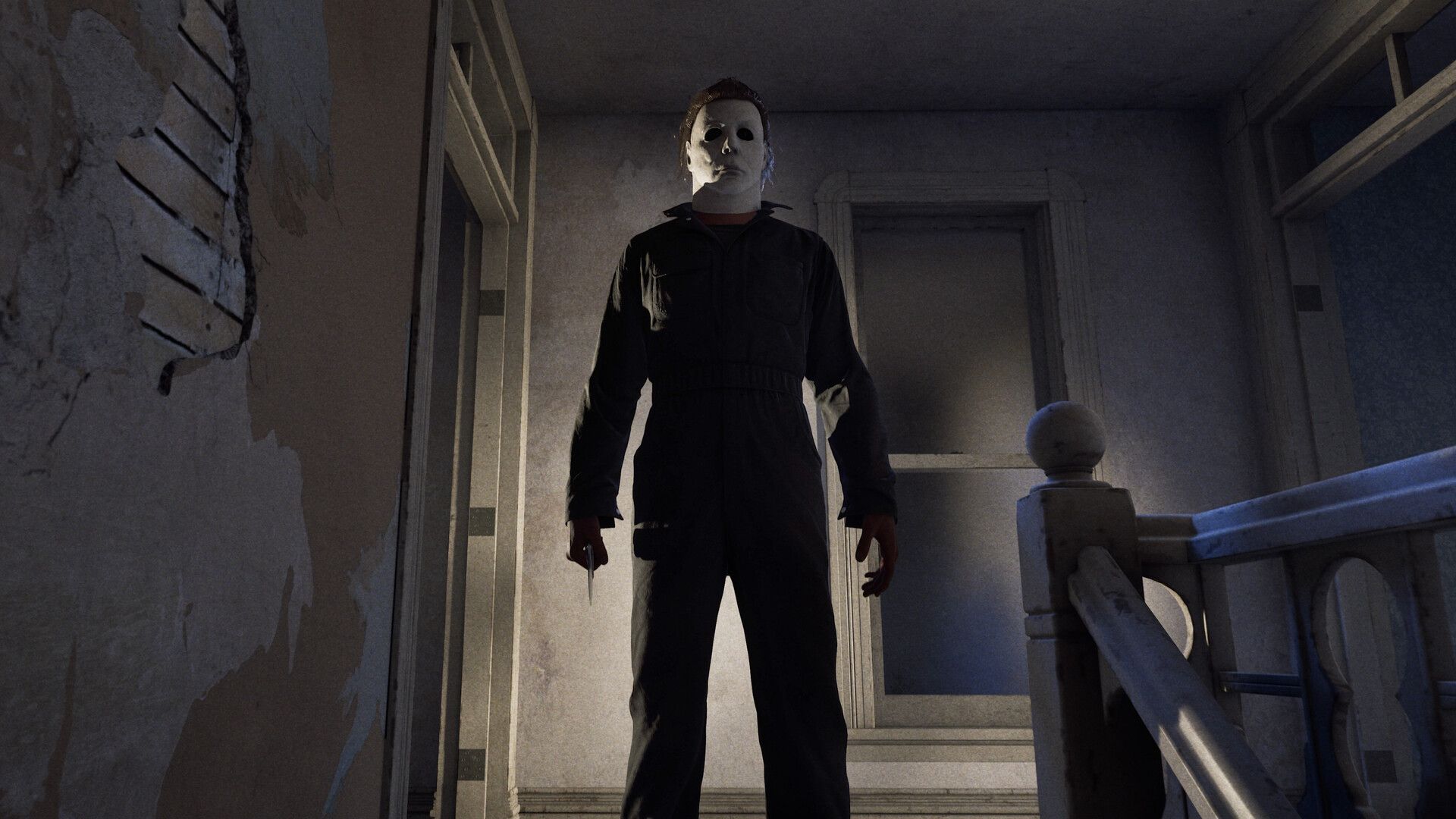
While it may have released to somewhat mixed reviews, longtime fans may want to give IllFonic's Halloween another chance this October. It reimagines the events of John Carpenter's original 1978 movie, essentially rewriting the familiar slasher story by putting players in control of the Boogeyman himself. While the original film primarily followed Laurie Strode, portrayed by the legend herself, Jamie Lee Curtis, as she desperately tries to survive Michael Myers' killing spree, the game flips that perspective entirely.
Halloween: The Game features a standalone single-player campaign titled The Night He Came Home, which revisits the events surrounding the original film through Michael's eyes. Players step into the killer's shoes, stalking the residents of Haddonfield and using stealth, shadows, and a variety of deadly abilities to terrorize the unsuspecting community.
The game also expands beyond the original film's storyline through its asymmetrical multiplayer mode, which allows up to four players to cooperate against another player controlling Michael Myers. Players can actively protect Haddonfield's residents, gather weapons, alert authorities, and even organize NPCs to fight back against the seemingly unstoppable killer, assuming they can stay alive and survive long enough to do so.
These mechanics allow players to experience how their own horrifying encounters unfold on the same night as the film, and essentially creates an immersive story that's unlike anything they've experienced from the original. The Boogeyman is still unkillable, but you can actually overpower him and provide opportunities for escape, and even get him arrested if you're lucky.
Although the game isn't necessarily rewriting the franchise's established canon, it's an intriguing reimagining of Carpenter's masterpiece that lets players experience the original story from an entirely original perspective.
Halloween Switches Genres In New 2026 Release

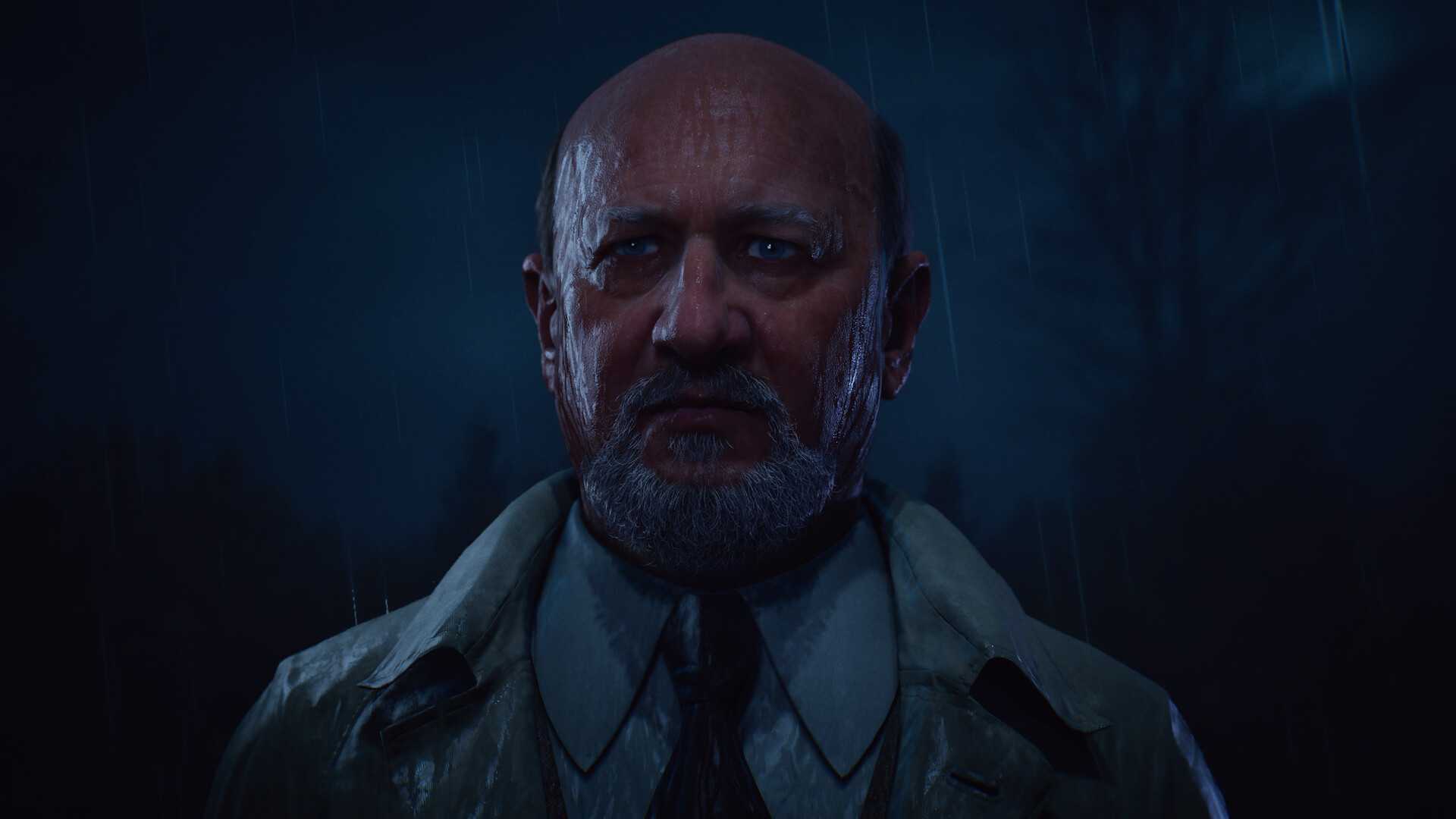
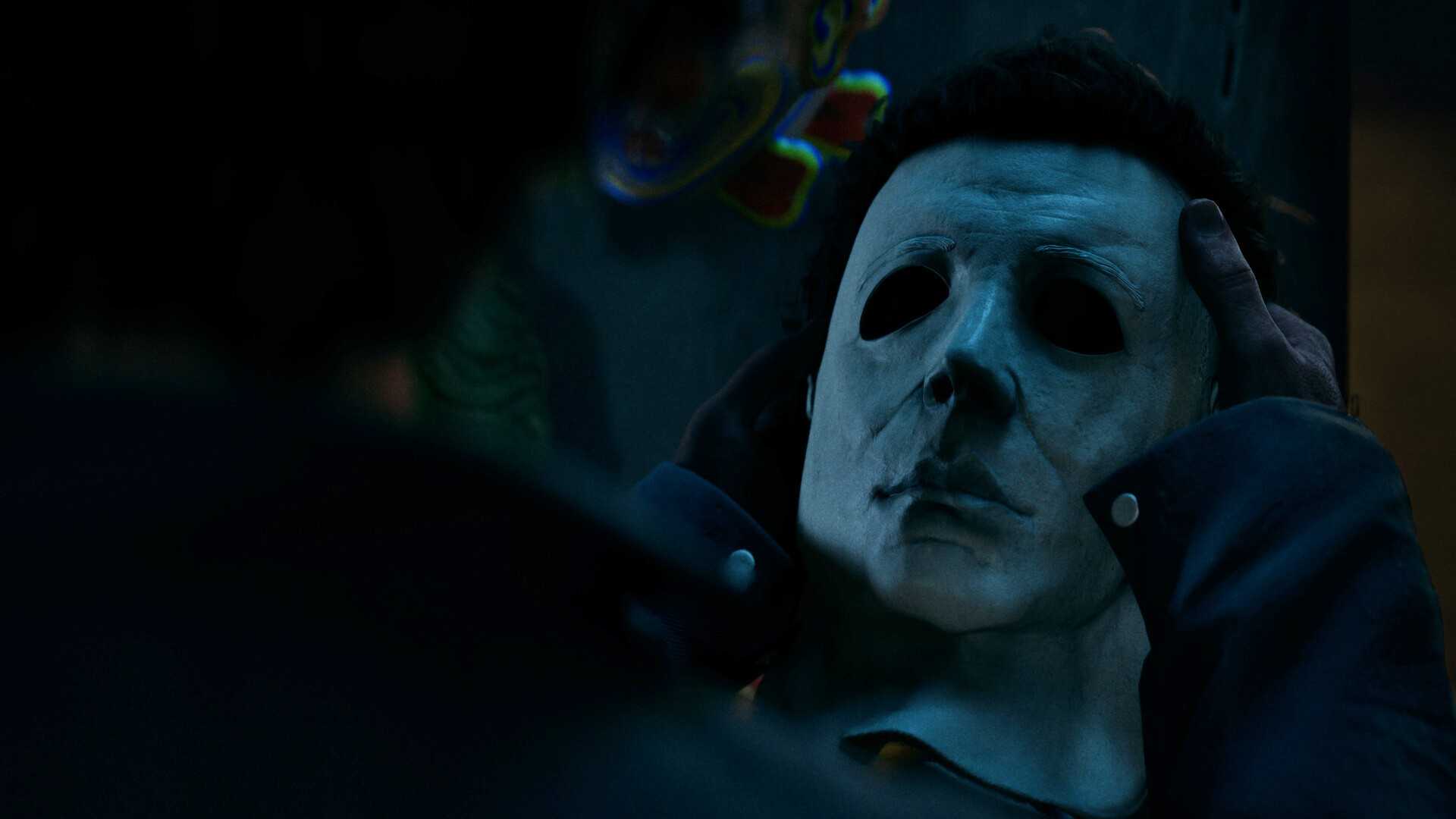
Beyond retelling the age-old horror story in a completely new way, the asymmetrical multiplayer experience is a major shift in genre from what we'd typically expect from a Halloween story. While the original movies helped define the slasher genre, Halloween: The Game takes that familiar formula into an interactive survival-horror experience with elements of stealth, strategy, and even co-op multiplayer.
The biggest difference is that players aren't simply watching Michael Myers stalk his victims. They're actively participating in the nightmare, either controlling the infamous killer or working together to survive his rampage through Haddonfield. Players gather supplies, search for weapons, help innocent residents, coordinate efforts to escape Michael's murderous attention, etc., and if you've ever wanted to take the slasher experience in Halloween up a notch and truly run for your life, the game does just that.
Controlling Michael introduces an entirely different style of gameplay as well, where you have to rely on stealth and calculated attacks to prevail. It's certainly a bold new direction for a franchise that has spent nearly five decades terrifying audiences on the big screen, even if it retains the same slasher-horror foundations.
Reviews are decidedly mixed for Halloween: The Game so far since its September debut on Steam, though many of them mention performance issues at launch that have since been addressed by developers, and if you haven't had a chance to try the game yet, there's no better time than the Halloween season itself.
Ultimately, Halloween: The Game promises to give fans something the movies never could, with the opportunity to step into their own horrifying hunt and potentially rewrite the fate of Haddonfield's unlucky residents themselves.

Halloween
Systems

- Released
- September 8, 2026
- ESRB
- Rating Pending
- Developer(s)
- Illfonic
- Publisher(s)
- Illfonic, Gun Media
- Engine
- Unreal Engine 5
- Multiplayer
- Online Co-Op, Online Multiplayer
KioskNews shows a cleaned-up reading view extracted from the publisher’s page — the original always lives on their site, not ours.