ESPNSources: Rams' Garrett faces 6-week recovery, may be out until NovemberPunchNDDC urges Niger Delta communities to protect public infrastructureThe Jerusalem PostInside the Palestinian university that turned the Sbarro massacre into an exhibit - analysisRTP DesportoRonaldo pode começar no banco frente à NoruegaESPN DeportesRanking de las mejores jugadorasInquirerPNP sees more time to prepare after deferment of barangay, SK pollsBollywood HungamaEXCLUSIVE: Yami Gautam Dhar’s Nayyi Navelli trailer to be unveiled on September 30; makers plan special welcome with 250 dholsDaily MaverickDOWN TO EARTH: Eleven-man Wallabies resist Springboks’ rearguard to secure famous Perth winIl Fatto Quotidiano“Voglio dedicare più tempo a me e ai miei figli dopo un anno, come tu sai, personalmente un po’ complicato”: il maestro Stefano Magnanensi lascia Domenica In e Mara VenierRTL BoulevardPremier Jetten van podium gehaald na verstoren D66-toespraakABC NewsUK police arrest 5 men under terrorism, explosives acts close to US air baseEgypt IndependentDeluge begins in Hawaii as Hurricane Nolo continues to strengthen
The Daily Newsstand · Free, Always
Sunday, September 27, 2026

The other crop that built China: how millet became foundation for Chinese civilisation
Translate

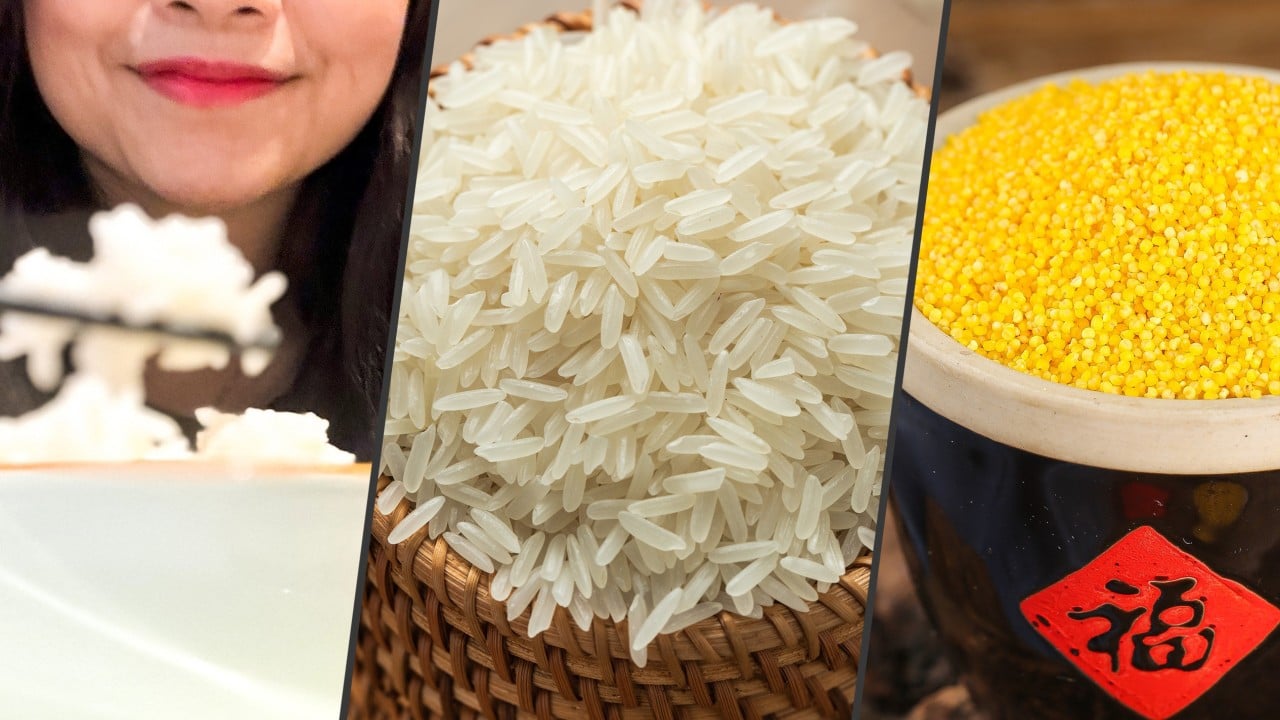
Rice may be the most universal ingredient in the world, serving as a cornerstone of the diet for billions in Asia.

However, for much of Chinese history, rice faced a serious competitor, and entire cultures developed around a different cereal grain, one that has since diminished in significance: millet.

Millet is a cereal grain that behaves and tastes similarly to rice but has a rounder form. It is often used in porridge, stir-fries, or even fritters. In certain regions of China, millet is favoured as a food for pregnant women, with millet porridge being particularly gentle on the stomach. Despite this, it cannot rival the cultural importance of rice.

Yet, the domestication of millet, along with other cereals globally, stands as one of the most pivotal events in human history. Its domestication fundamentally altered natural landscapes and enabled humans to control the plants they consume, as opposed to surviving at the mercy of wild crops.

View the original on South China Morning Post →

KioskNews shows a cleaned-up reading view extracted from the publisher’s page — the original always lives on their site, not ours.