Gold trades near seven-week low as rate-hike pressure mounts
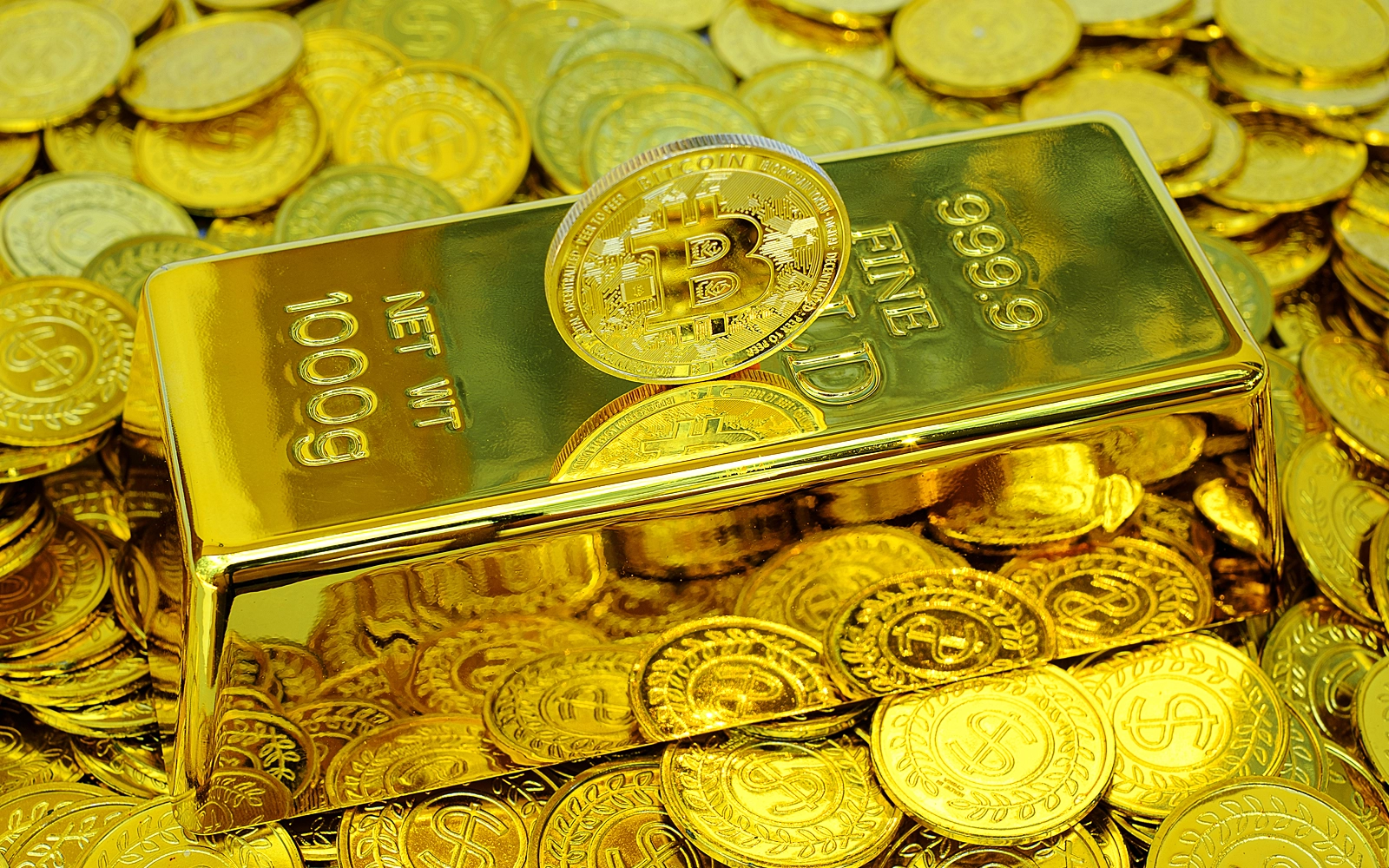
Gold held a sharp decline as the deadlock between the US and Iran over the Strait of Hormuz continued to keep energy costs elevated and maintained pressure on the Federal Reserve to hike interest rates.
Bullion was trading around US$4,120 an ounce, after tumbling 4% on Monday to a seven-week low.
Oil extended gains, after Iranian officials privately expressed pessimism about reaching a deal to end hostilities with Washington before US midterm elections in November, in the wake of president Donald Trump rejecting their latest proposal to reopen the critical waterway in seven days.
The selloff in the US bond market deepened on Monday after Trump’s rejection, which threatens to prolong the war’s energy shock. The decline pushed Treasury yields higher across maturities, with the benchmark 10-year rate rising to a fresh 19-year high. This undermines the case for holding a non-yielding asset like bullion.
The bond divestment building since the US-Iran conflict erupted in late February has accelerated over the past month, injecting new risks into the economy by driving up borrowing costs. The Trump administration has tried to ease it by increasing buybacks of longer-dated bonds, only to see rates keep pushing higher.
Gold is down around 7% in September, even after touching US$4,510 an ounce early in the month, after the Fed delivered its first rate rise since 2023 to combat sticky US inflation and flagged the possibility of more. High energy prices are adding pressure for more increases, with investors currently seeing the probability of a hike in October at around 70%.
“A lot of trading volume accumulated near September’s highs, so further upside faces significant pressure in the short term,” analysts from China Zheshang Bank Co Ltd wrote in a note. This is often because buyers who bought at higher level tend to sell when prices rebound, making near-term breakout difficult. “A return to long-term ‘dollar debasement’ theme will need a fresh macro catalyst,” they added.
Fed governor Lisa Cook said Monday that future productivity gains from artificial intelligence may not be enough to offset the near-term price pressures, warning this could drive up inflation across the economy.
Heavy data centre investment was also increasing competition for shared resources like energy and construction labour – reflecting a roughly 5% jump in electricity and water costs over the past year, she said.
Markets will be watching the release of personal consumption expenditure data on Wednesday – the Fed’s preferred inflation gauge – as well as non-farm payrolls data on Friday for the next clues on the path for rates.
Spot gold rose 0.1% to US$4,117.60 an ounce at 8:50am in Singapore. Silver was little changed at US$60.64 an ounce, after sliding almost 6% the previous session. Platinum edged lower, while palladium rose 0.2%.
The Bloomberg Dollar Spot Index, a gauge of the US currency, was stable after rising 0.3% the day before to the highest close since July 29.
Subscribe to our newsletter and get news delivered to your mailbox.
KioskNews shows a cleaned-up reading view extracted from the publisher’s page — the original always lives on their site, not ours.