Scam centres relocated from Cambodia raided in Madagascar
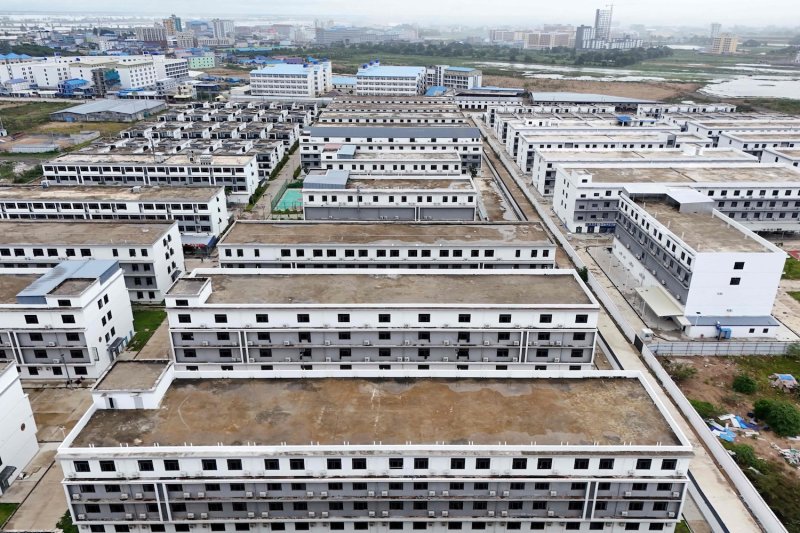
Raids against online scam centres in Madagascar have exposed ties with a criminal group that ran similar operations in Cambodia, also duping African nationals via human trafficking, authorities say.
Conducting romance, cryptocurrency and investment fraud, the sites were mostly operated by Chinese nationals, 148 of whom have been extradited to China, Madagascar’s justice ministry said.
Thirteen Chinese-run scam compounds were taken down during operations in August and September conducted with the US Department of Justice (DOJ), it said.
About $52 million worth of cryptocurrency was seized in a single day and more than 3,200 electronic devices were processed, the US authority said in a statement.
The United Nations Office on Drugs and Crime had warned last year about the expansion of these networks, particularly into Southern Africa.
Eleven Chinese nationals arrested separately in the online scam crackdown mysteriously walked free from a Madagascar jail in August in a widely publicised scandal allegedly implicating the head of the prison service.
Several African nationals remained in custody, even though initial findings suggested they may have been victims of human trafficking, officials said.
Recruited via social media
As in scam operations in Southeast Asia, the Madagascar centres allegedly lured Africans to the Indian Ocean island via social media and with promises of salaries.
In this case, around 20 nationals of Kenya, Rwanda, Uganda and Zimbabwe were in custody, authorities said.
“According to their statements, they were recruited via Facebook to come work in Madagascar in the commercial sector,” the police crime unit chief Hassan Mouigni told AFP.
“But when they arrived here, most of the passports were confiscated by the boss and they were forced to scam,” he said. “They were victims of deception.”
The man charged with running one romance scam scheme was a Malaysian national, identified as Chui Kok Wa, who had installed himself in a villa in the upscale Ivato neighbourhood near the capital, Antananarivo, the US authorities said.
“From the visa in his passport, we were able to deduce that he arrived here for the first time in 2024. According to the passport, he was previously in Cambodia,” Mouigni said.
The DoJ said it believed his “criminal group with connections to Malaysia and China opened scam compounds in Madagascar in early 2025, likely having moved those operations from Cambodia after law enforcement action in that country.”
The coordinator of the cybercrime unit at Madagascar’s communications ministry, Tsitohaina Ralihivao, drew a connection with a 2025 crackdown on scam compounds in Cambodia near the border with Thailand, when their militaries also clashed.
“When the Thais dismantled them, they just relocated the operations. The same organisations came to Madagascar,” Ralihivao told AFP. (Story continues below)
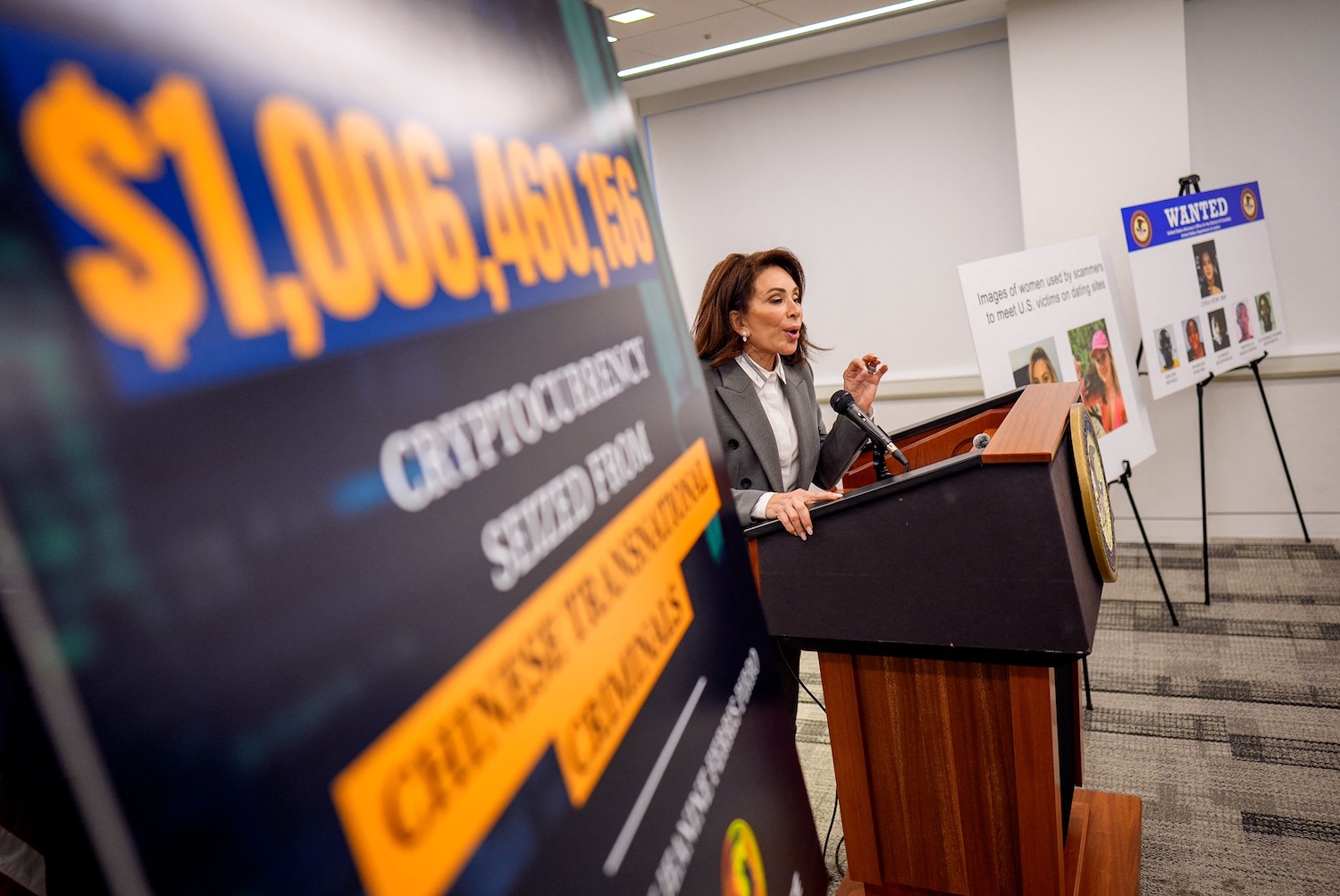
Jeanine Pirro, US Attorney for the District of Columbia, speaks during a news conference in Washington, DC announcing charges against six suspects in a Chinese-linked investment fraud scheme based in Madagascar that targeted Americans. (Photo: Getty Images via AFP)
Relocated in May 2026
An FBI court document shared by the DoJ drew a similar conclusion after questioning three Brazilian nationals who worked at a scam compound in Antananarivo.
“These individuals reported that they originally responded to work opportunities posted online, and ended up working at a compound located in Cambodia.
“Later, in part due to an armed conflict between Cambodia and Thailand, and also in response to police activity in Cambodia related to scam compounds, the witnesses were moved to Antananarivo, Madagascar, in early-May 2026,” it said.
“Cyber scam centres are increasingly opening in Africa following the closure of such compounds in Southeast Asia,” the FBI said.
US authorities intervened because these centres “primarily targeted English-speaking countries,” including the United States, Canada and Pakistan, Mouigni said.
Hence the “need for nationals from English-speaking African countries,” added Ralihivao.
The arrival of scam centres has not gone unnoticed in the capital of Madagascar.
“Before they occupied villas that were a little discreet. What alerted us was that they started renting entire hotels,” Mouigni said.
The suspected head of one compound installed at the Live Hotel in the city was a Chinese national who was among those extradited to Beijing.
Like all “Chinese nationals identified as leaders”, he could not be questioned by the FBI, a US federal police said in court documents.
KioskNews shows a cleaned-up reading view extracted from the publisher’s page — the original always lives on their site, not ours.