Is the Philippines using new anti-spying laws to silence critics?
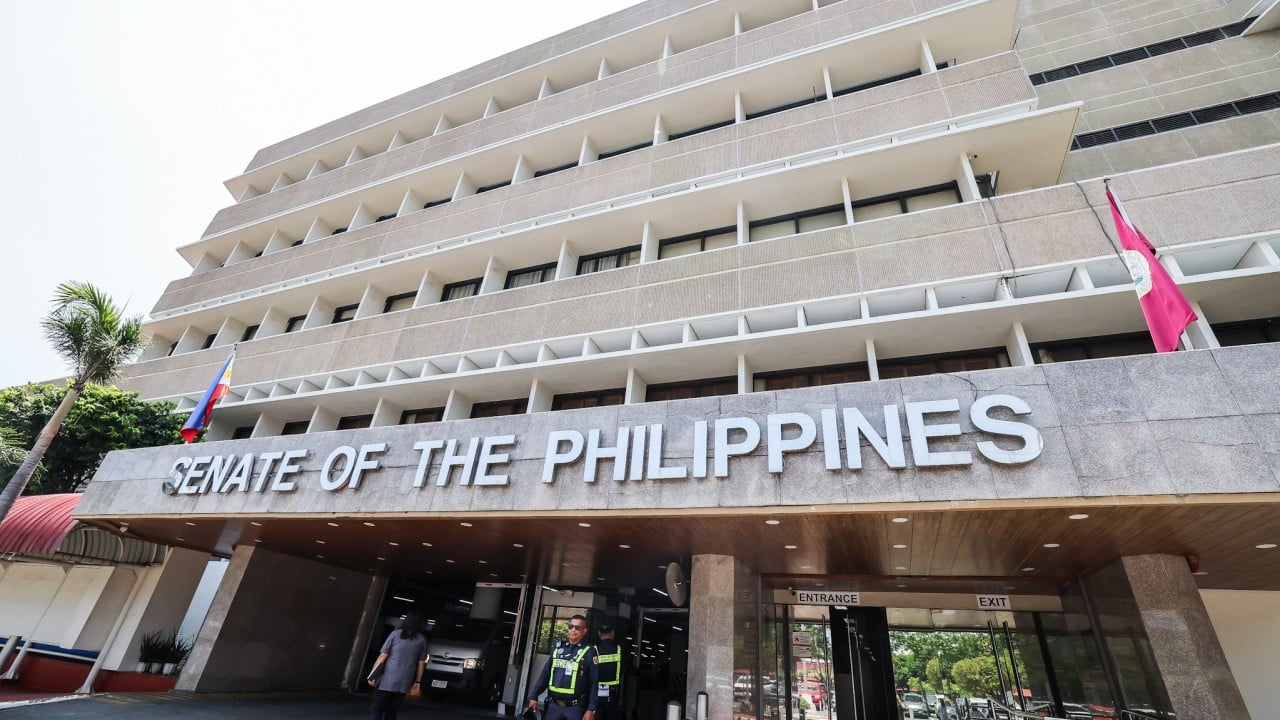
A Philippine bill expanding the country’s espionage law to cover peacetime activities is raising concerns among journalists and legal experts, who warn that its broad provisions could stifle free expression and restrict public scrutiny of national issues.
The House of Representatives approved the measure on September 17, paving the way for a broader definition of espionage than under the current law, which dates to 1941 and focuses on wartime spying. The Senate is considering a similar version.
Senator Panfilo Lacson, a former military official before becoming the national police chief who also crafted the controversial 2020 Anti-Terrorism Act, has defended the need for the new law, arguing that current statutes did not address modern peacetime espionage.
Lacson said in an explanatory note for his Senate Bill No. 33, which will form the basis of the Senate version, that authorities arrested five people for spying last year, including cases involving aerial drones photographing military facilities on Palawan island, as well as the detention of a Chinese national near the Commission on Elections office in April 2025, allegedly with a device used to intercept mobile phone traffic and track location data.
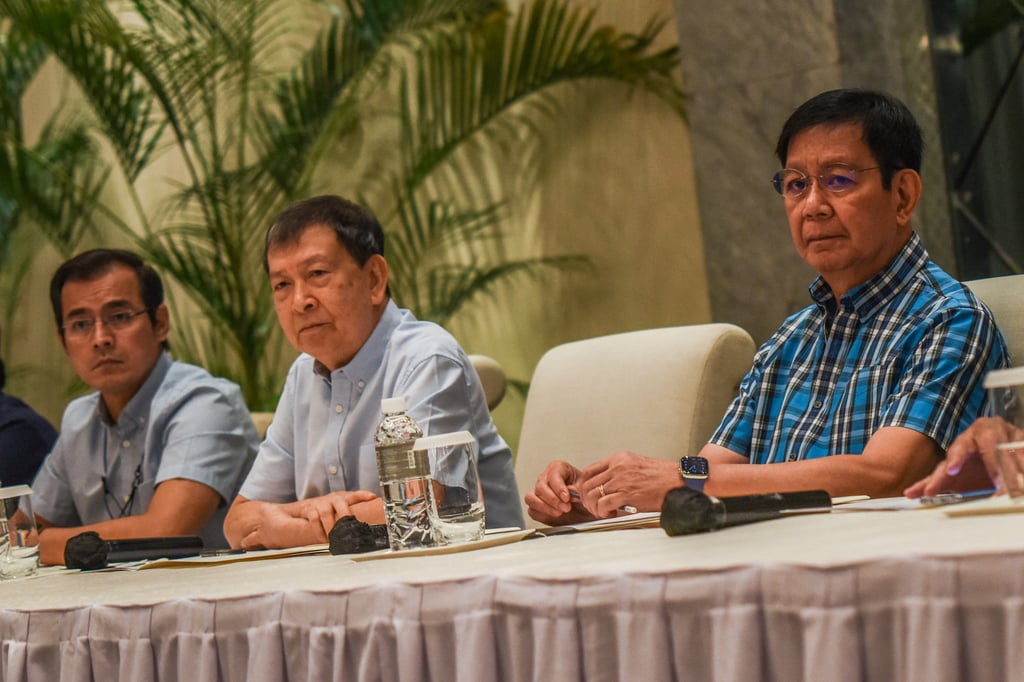
The proposed law would also sharply increase penalties. Unlawfully photographing or sketching defence installations currently carries a maximum penalty of one year in prison or a fine of up to 2,000 pesos (US$32). The proposed amendments would raise the penalty to life imprisonment without parole or good conduct allowances, alongside fines ranging from 10 million to 20 million pesos (US$159,000 to US$317,000).
But critics say the bill does more than merely update the law to deal with modern forms of espionage, potentially giving the state powers that could be weaponised against legitimate dissent and public scrutiny.
Renee Co, representing the Kabataan (Youth) Party List, said the bill would authorise the Anti-Money Laundering Council to not only investigate and freeze the assets of suspected spies, but to forfeit them outright.
Under the current Anti-Terrorism Act, the council can temporarily freeze assets but requires a court order to seize them following forfeiture proceedings. However, both the House and Senate draft versions of the espionage bill would grant the council direct forfeiture powers.
Sarah Elago of the Gabriela Women’s Party warned the measure opened the door to suppressing legitimate criticism.
“The bill also expands the definition of ‘critical infrastructure’ to shield private corporate interests by including telecommunications, energy and food security under the umbrella of espionage protection,” Elago said, adding that it “effectively bans the public from scrutinising the industries that most affect their lives”.
Antonio Tinio, deputy minority floor leader representing the ACT Teachers Party List, said that while efforts to introduce amendments were welcome, “our essential critique is that some definitions and the scope of coverage remain so overly broad … that this can be used as an instrument to suppress the fundamental rights of our citizens to free expression – the right to dissent – in the name of national security”.
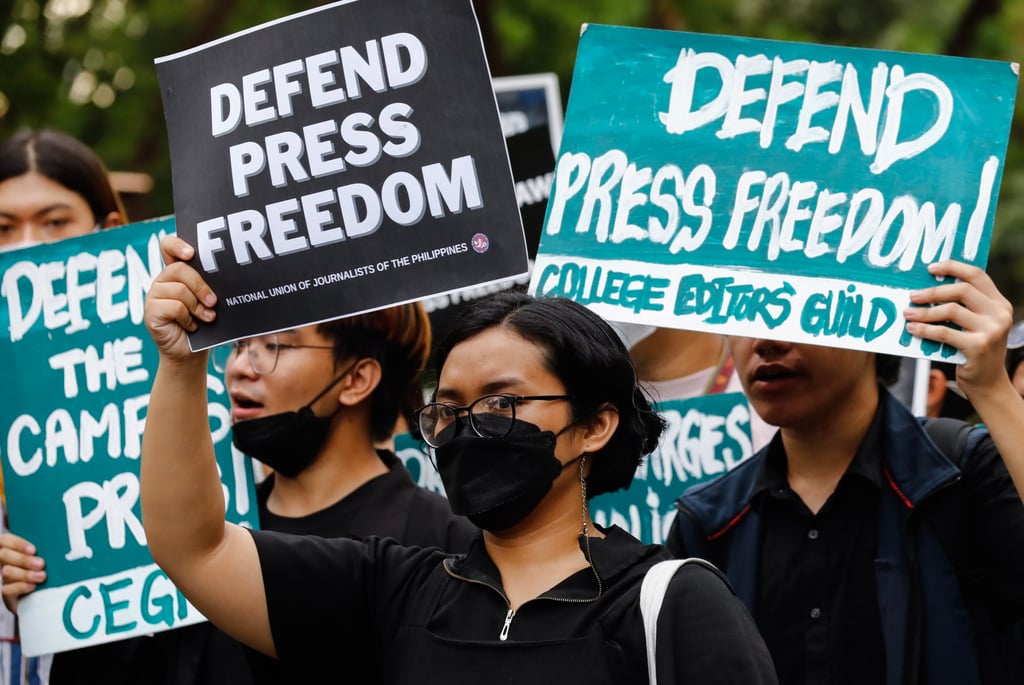
‘Chilling effect’ on journalism
John Ted Cordero, president of the Economic Journalists Association of the Philippines and a reporter for GMA News, said that he personally believed “the proposed law would have a chilling effect on economic journalists’ coverage amid fear of being jailed and slapped with huge fines”.
Cordero highlighted provisions in the Senate version that classified harming “critical infrastructure”, which includes banking and finance, as spying.
“The criminalisation of ‘unauthorised’ possession of classified or sensitive state financial information – such as leaked loan agreements, internal fiscal or debt restructuring documents and anti-money-laundering alerts – could negatively affect how journalists verify, handle and publish such information,” Cordero said.
He warned that reporters could face espionage charges simply for possessing physical or digital copies of sensitive financial documents, regardless of whether the intent was for public interest reporting.
“News outlets might ultimately refuse to run critical scoops based on leaked documents about public debt [or] sovereign risks out of fear,” he added. “This could turn reports on the financial situation of the country into passive amplifiers of state press releases … [and] damage market transparency as investors rely on the free press to gauge the true fiscal health of the country.”
Vergel Santos, a retired publisher of BusinessWorld and free press advocate, said he felt there were still enough legal protections to guarantee freedom of the media in the Philippines.
“Of course, being oriented to all sorts of bogeymen, the likes of Lacson are inclined towards ultraconservative measures that can lead to repression – that’s why he always wants stiffer terms and penalties,” Santos said. “The draconian Terrorism Act is an example.”
Barry Gutierrez, a criminal law professor at the University of the Philippines, distinguished between the two versions, saying he was less concerned about the House bill, viewing it mainly as an update to the 1941 law.
Most provisions in both versions simply restated existing legal frameworks, he said, such as the extraterritorial application of the law under the Revised Penal Code and that disloyalty provisions were strictly confined to public employees.
But Gutierrez warned that the Senate draft contained “extremely problematic” definitions, highlighting its expanded use of “disloyal acts or words” to apply to “any person”, not simply public employees.
“This is therefore a free speech regulation that must be subjected to the highest degree of scrutiny, as it potentially exposes any person who may express criticism of the government to liability for ‘disloyalty’,” he said.
The definition of “interference” similarly covered “any person”, Gutierrez said, and was broad enough to penalise ordinary political commentary.
The Senate version “has the clear potential for overbroad application and abuse of the law to clamp down on critics and the media”, he added.
KioskNews shows a cleaned-up reading view extracted from the publisher’s page — the original always lives on their site, not ours.