EU nationals will pay higher tuition fees than UK students, Burnham indicates
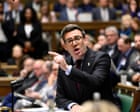
European students will have to pay higher fees than their domestic equivalents at UK universities under a still-to-be-finalised part of the new deal with the EU, Andy Burnham has indicated.
The issue of fees paid by EU nationals studying at British universities is the main element of the arrangement hailed by Burnham in Brussels on Friday that has not been agreed, with both sides giving an extra six months to reach a solution.
Since Brexit, EU students – aside from Irish nationals and those with settled status in the UK – are treated as overseas entrants, so pay tuition fees which can exceed £30,000 a year, rather than a home student rate capped at £9,790.
The EU has been pushing for a lower rate, as part of the reset deal agreed at Friday’s summit in Brussels, which also included plans for looser checks on food and drink, emissions trading and a mutual exchange scheme for young people.
There have also been reports that Brussels has pushed for EU students to pay the domestic rate, while an annual charge of about £12,000 was suggested as a possible compromise.
Asked by Kemi Badenoch at prime minister’s questions to rule out an equal rate between UK and EU students, Burnham indicated that this was requested by the EU but it would not be granted.
“In relation to the deal, the right honourable lady is referring to the European negotiating position, which is not the British negotiating position,” he told her. “That has not been put on the table, and it will not be put on the table.”
Burnham’s official spokesperson said: “Both sides have agreed to negotiate a reciprocal agreement, and any deal would have to be in our national interest.”
Higher overseas fees are an important source of income for most UK universities, and dropping them significantly for EU students could cost the sector hundreds of millions of pounds a year.
Burnham said the deal on tuition fees with the EU was “not done” when asked by the leader of the opposition if the government would compensate universities.
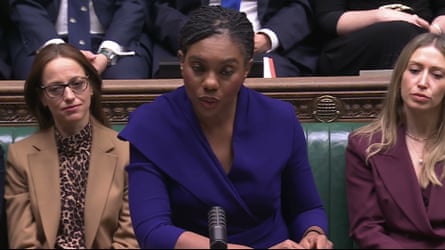
He reiterated the UK’s position that the implementation of the deals agreed on Friday would not be dependent on an agreement about tuition fees, something EU officials took a different view of on Friday.
Burnham said Ursula von der Leyen, president of the European Commission, referred to the tuition fees talks as being “a separate piece of paper” to the main deal at the summit, meaning they were not linked.
He also said the Conservative party had to be clear on whether it opposed the plans: “Will it stand against a deal that will remove mountains of paperwork from British businesses and British exporters? A deal that the vast majority of Britain’s major supermarkets support because, they say, it can bring down pressure on the weekly shop? The Conservatives were once the party that opposed the imposition of red tape; they are now the red tape Tories.”
KioskNews shows a cleaned-up reading view extracted from the publisher’s page — the original always lives on their site, not ours.