Navara rice for health: This is what makes the traditional Kerala red variety special
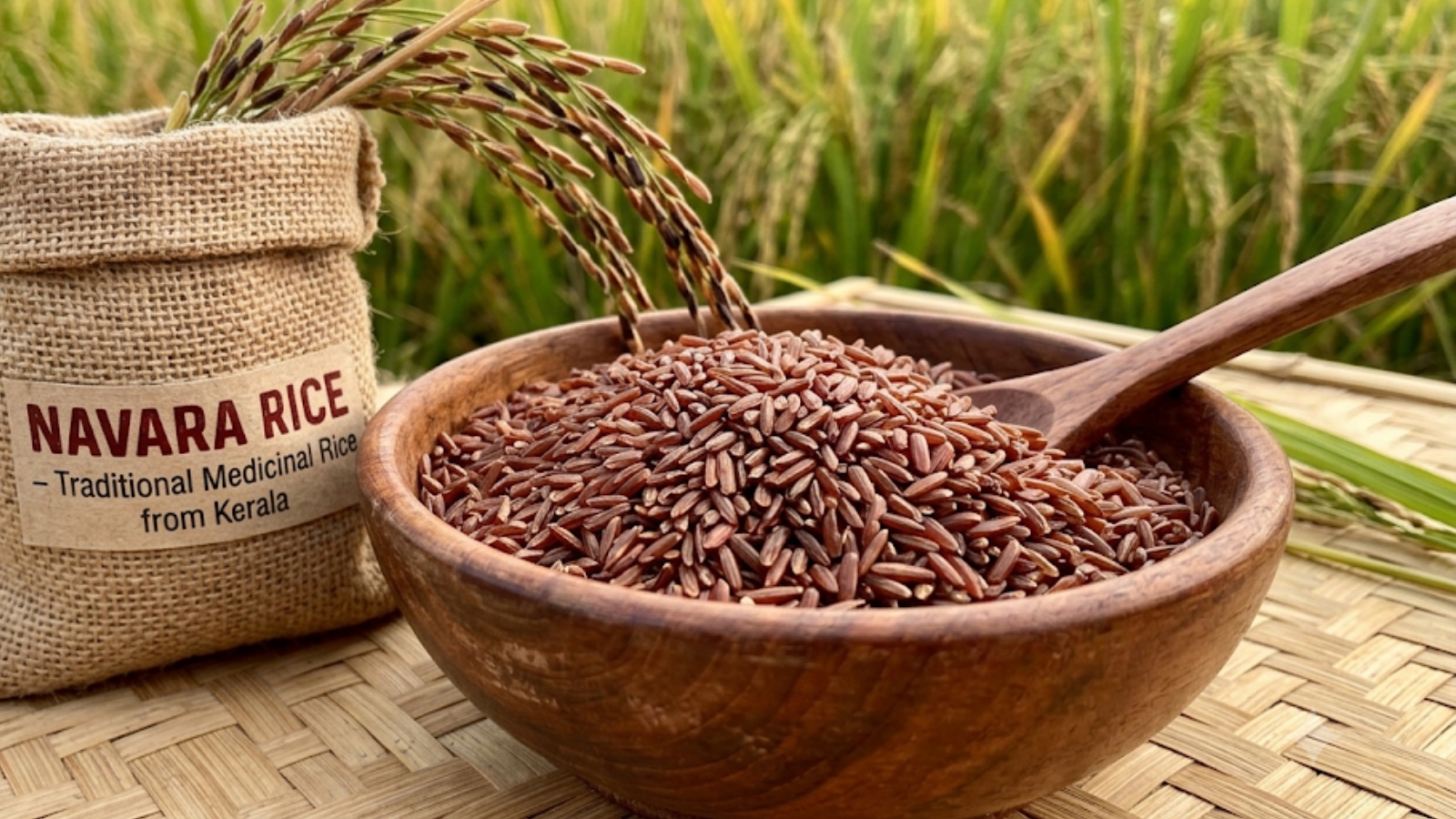
Rice is more than just a staple food in many Indian households. Some traditional varieties are also valued for their nutritional properties and association with Ayurveda. One such variety is Navara rice, a centuries-old heirloom red rice from Kerala that is traditionally used in Ayurvedic preparations and treatments.
From being cooked into a nourishing porridge to featuring in Navarakizhi, a traditional Ayurvedic massage therapy, Navara rice has long been associated with recovery and rejuvenation. But is it nutritionally superior to regular white or brown rice? And can it offer specific health benefits?
According to Kanikka Malhotra, Consultant Dietician and Certified Diabetes Educator, Navara rice has an interesting nutritional profile, but some of its widely discussed therapeutic benefits still need stronger scientific evidence.
DISCLAIMER: This article is based on information from the public domain and/or the experts we spoke to. Always consult your health practitioner before starting any routine.
What makes Navara rice nutritionally different?
“Navara is minimally polished, and its red-brown bran retains phytochemicals. Extracts of Navara have higher levels of oryzanol, phenolic acids, flavonoids and proanthocyanidins than staple varieties, with stronger antioxidant and anti-inflammatory activity,” Malhotra explains.
However, she cautions that these findings largely come from laboratory studies examining rice extracts and should not be interpreted as proven health benefits in people who consume the rice.
On nutritional composition, reported figures suggest that 100 grams of raw Navara rice contains about 8.5 grams of protein and 3.2 grams of fibre, compared with 6.8 grams of protein and 0.2 grams of fibre in polished white rice.
Story continues below this ad
“Brown rice is relatively close in fibre content, so Navara’s main difference from brown rice is its pigment profile rather than a dramatic nutritional advantage,” she says.
She also points out that Navara should not automatically be considered a low-glycaemic-index (GI) food. Studies on pigmented South Indian rice varieties have reported intermediate GI values of around 55–60, while another study reported a GI of 72 for Navara.
“The practical takeaway is that unpolished matters. A more polished Navara loses much of its nutritional benefit,” Malhotra adds.
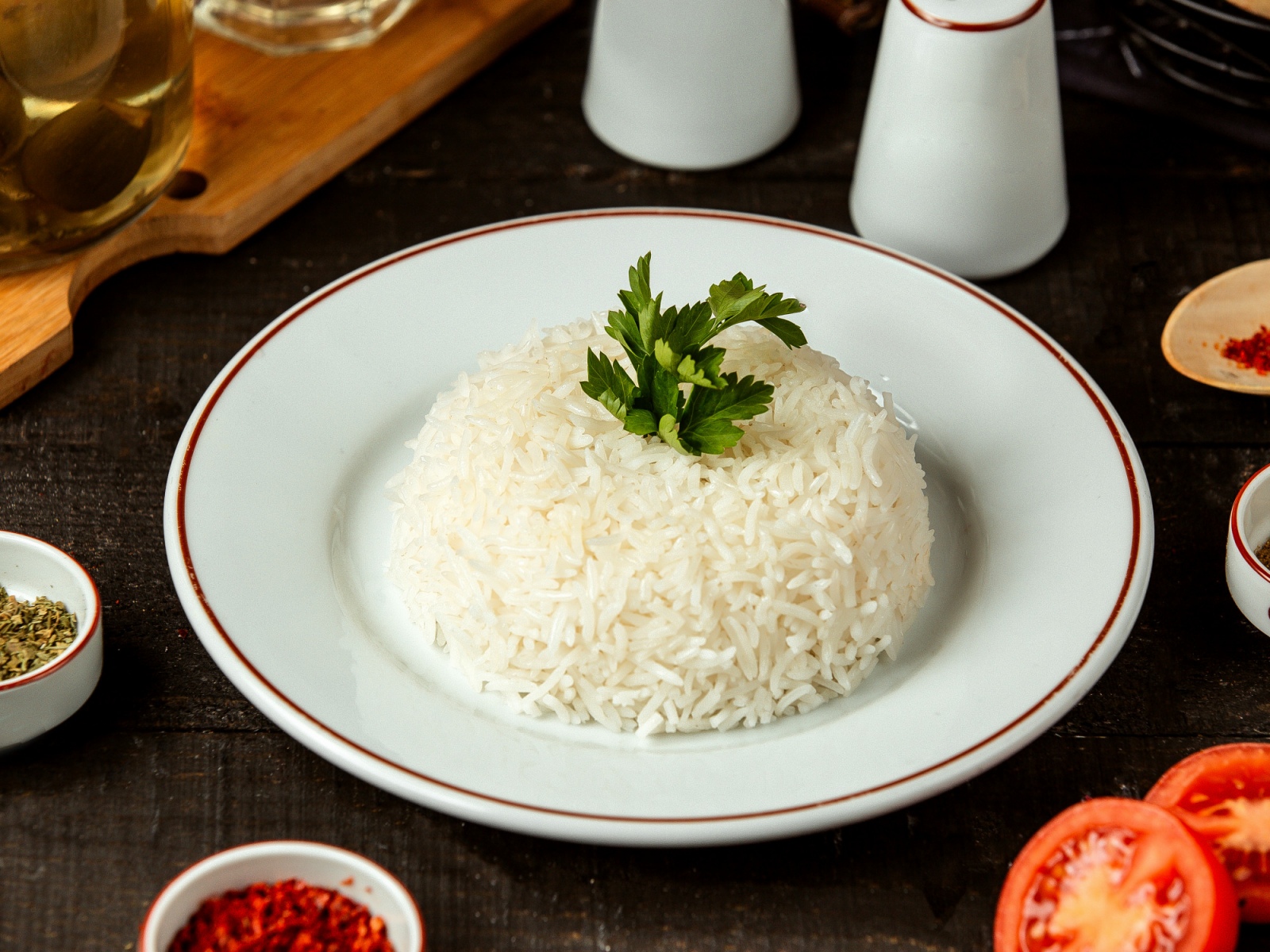 Is Kerala’s traditional red rice good for blood sugar control? (Photo: Magnific)
Can Navara rice help regulate blood sugar?
With growing interest in traditional grains and their potential metabolic benefits, Navara rice is sometimes considered a healthier alternative for people looking to manage their blood sugar.
Story continues below this ad
However, Malhotra says there is currently insufficient human research to establish specific benefits of consuming Navara rice.
“Honestly, we cannot claim measurable benefits yet. There are no proper human trials on Navara rice specifically, so claims about blood sugar, immunity or strength are ahead of the evidence,” she says.
That said, choosing less-polished whole grains over refined white rice can be a sensible dietary change for many people. Their higher fibre content can support digestion and help moderate the rise in blood glucose after meals.
However, the overall composition of a meal matters just as much as the variety of rice being consumed.
Story continues below this ad
“Navara also has a long tradition as a gentle food during recovery, and it is often served as kanji after illness. But it is still mostly carbohydrate, so how you build the plate matters more than which rice you pick,” Malhotra explains.
She recommends filling half the plate with vegetables, adding a protein source such as dal, curd, eggs or fish, and keeping the rice portion to approximately half to three-quarters of a cup when cooked.
What are the benefits of Navarakizhi therapy?
The therapy is traditionally associated with nourishment, relaxation and relief from stiffness. However, Malhotra says its benefits should be understood in the context of heat and massage rather than assumed to be a direct medicinal effect of the rice.
“Most of what people feel comes from a combination of three things: heat, rhythmic pressure and a nourishing medium. Warmth relaxes tight muscles and improves local blood flow, massage eases stiffness, and the milk and oils soften dry skin,” she explains.
Story continues below this ad
These effects may help people feel more relaxed and experience temporary relief from muscle tightness and discomfort.
However, the evidence supporting Navarakizhi as a treatment for rebuilding muscle or repairing damaged joints remains limited.
“The studies on it so far are very small, so it is best seen as a comfort and symptom-relief therapy, not a cure,” Malhotra says.
Who should be cautious about consuming Navara rice?
Malhotra advises people with diabetes or prediabetes to monitor their portions and see how their blood sugar responds, as Navara is not a low-carbohydrate food.
Story continues below this ad
“People with kidney disease who follow a restricted diet should consult their dietitian first, since whole grains contain more potassium and phosphorus than polished rice,” she says.
She also recommends soaking the rice before cooking. This is particularly relevant for people with low iron levels, as the bran contains compounds that can slightly reduce mineral absorption.
For young children, she suggests rotating different grains rather than depending on unpolished rice every day. There are also precautions associated with Navarakizhi, she adds. “People with open wounds, skin infections, fever or milk allergies should avoid the treatment. Those with reduced skin sensation, particularly people with diabetic neuropathy, should be especially careful, as hot rice bundles can cause burns without being immediately noticed.”
Pregnant women should consult their doctors before undergoing the therapy. Malhotra also recommends choosing a qualified practitioner and purchasing Navara rice from a trusted source to avoid substitution with other varieties.
Story continues below this ad
DISCLAIMER: This article is based on information from the public domain and/or the experts we spoke to. Always consult your health practitioner before starting any routine
KioskNews shows a cleaned-up reading view extracted from the publisher’s page — the original always lives on their site, not ours.