Parents of premature newborns can have more skin-to-skin contact with new device
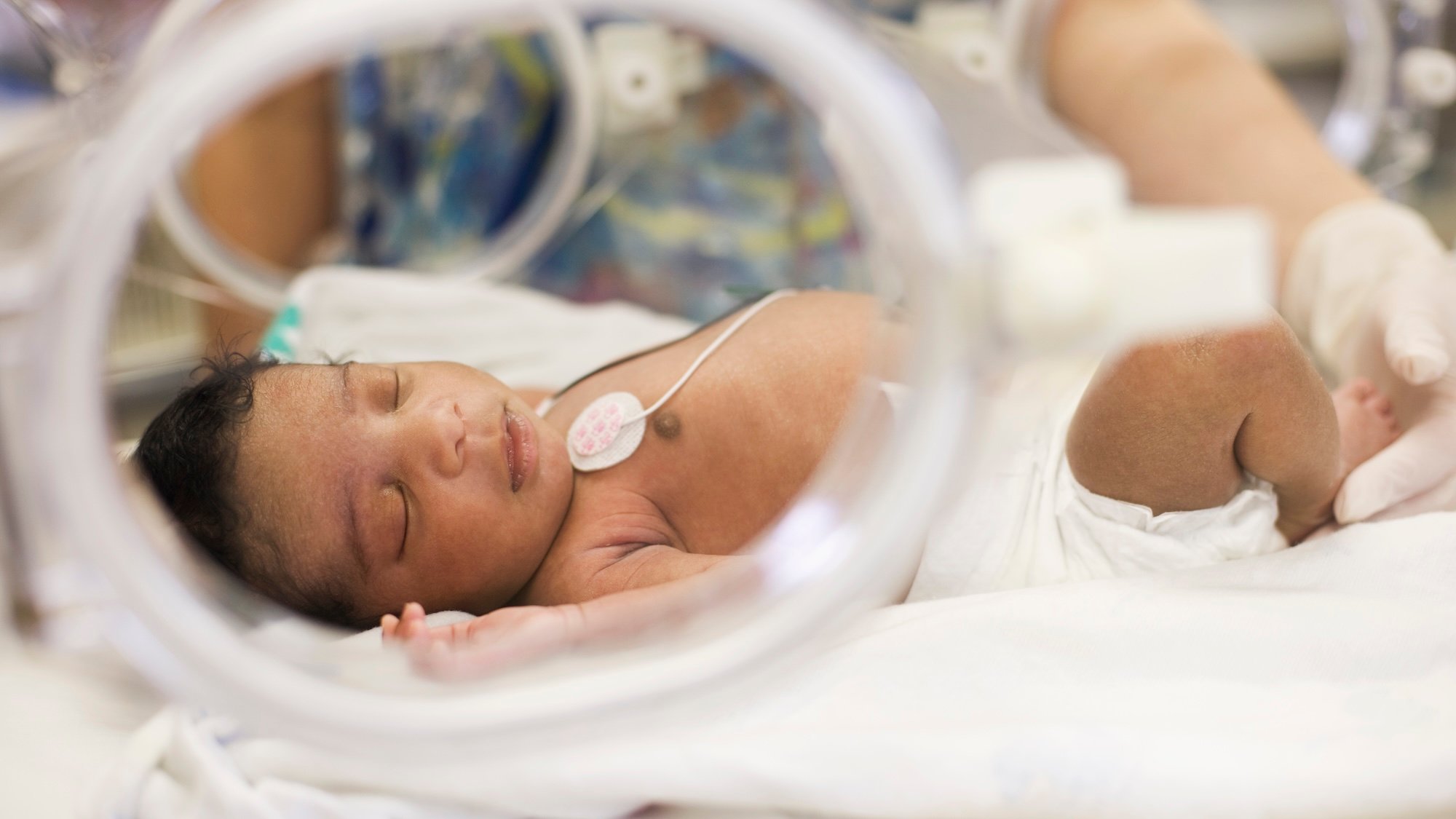
For infants struggling in a neonatal intensive care unit (NICU, incubators dramatically lower premature infant mortality. However, these neonatal-specific incubators create their own challenges for skin-to-skin contact. This kind of touch is more than an emotional moment for a family—it helps regulate the baby’s body temperature, stimulates their immune system, encourages breastfeeding, and even reduces issues of postpartum depression.
The World Health Organization recommends every infant born before 37 weeks old receive at least eight hours of contact every day. Incubators make reaching this goal practically impossible, but that doesn’t negate the equipment’s own medical benefits. Doctors and parents have struggled to balance the two options for decades, but a new device may finally provide a bridge between both needs: the Skincubator.
As the word-combo implies, the Skincubator is a wearable machine that functions as a portable neonatal incubator, while still offering prolonged skin-to-skin contact. The device includes all the necessary, lifesaving equipment featured in a neonatal unit including ventilator tubes, catheter, and arterial lines. It also maintains a stable microclimate with 70–90 percent humidity at 84.2–87.8 degrees Fahrenheit, while keeping the child in a safe, secure, and stable fetal position. A specially designed, retractable pad then carefully slides beneath the infant to facilitate skin-to-skin for hours at a time.
Skincubator’s creators designed the device over four years and have already reported successful trials in countries like Germany. In December 2025, the company received a Breakthrough Device designation from the Food and Drug Administration (FDA) allowing them to quickly begin similar efforts in the United States.
“This is a great invention,” Tiffany Ikwuagwu, a new mother of twins and the first U.S. trial participant, recently said in a video from Children’s Memorial Hermann Hospital in Houston. “I think the fact that I can help regulate the babies’ heart[s] and help the babies relax, and just have that connection to them, is very special.”
Moving forward, the device’s creators hope to collaborate with more hospitals around the country while offering parents a chance to leverage the benefits of both advanced medical devices and skin-to-skin contact.
KioskNews shows a cleaned-up reading view extracted from the publisher’s page — the original always lives on their site, not ours.