Gujarat declares 4 districts as drought-affected
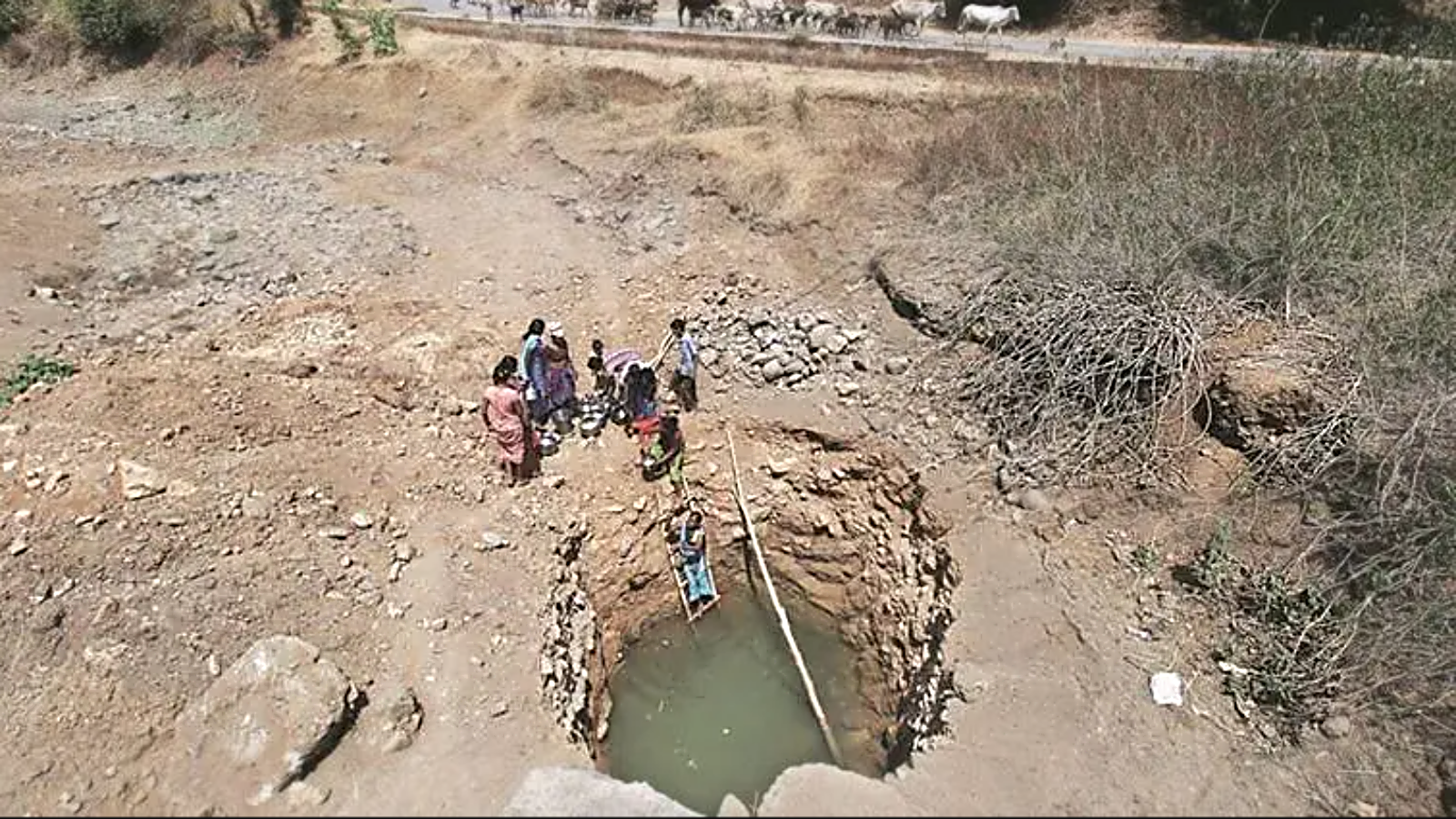
The Gujarat government on Monday declared four districts — Devbhumi Dwarka, Porbandar, Jamnagar and Kutch — as drought-affected and announced relief measures to be implemented in those areas.
Chief Minister Bhupendra Patel made the announcement in Gandhinagar in the presence of Agriculture Minister Jitu Vaghani. The decision and ensuing relief measures will come into force from November 1.
CM Patel said, “This season, the state overall received around 89 per cent (%) rainfall. However, Devbhumi Dwarka, Porbandar, Kutch, and Jamnagar districts witnessed lower rainfall. In light of the situation created due to low rainfall across these four districts, the state government has taken a generous decision to stand alongside the farmers.”
The CM said the decision was taken after completing the required procedures as per the Centre’s Drought Manual Guidelines, 2016, and convening high-level meetings.
As per the available official figures, by October 15, Devbhumi Dwarka, Porbandar, Jamnagar and Kutch witnessed rainfall deficit of 83.5%, 69.1%, 56.7% and 42.4% respectively against the average rainfall in the past 30 years.
The CM also announced the relief measures to be implemented in the four districts.
According to the CM, the farmers will be provided compensation for crop loss as per the norms of the State Disaster Response Fund (SDRF).
Story continues below this ad
The CM said, “The state government will provide assistance to farmers at the rate of Rs 8,500 per hectare, capped at a maximum of two hectares.”
An official release said, “For animals in cattle camps in the drought-declared talukas, assistance of Rs 80 per animal per day will be provided from SDRF funds for two months. Thereafter, the state government will bear the cost of this assistance in the larger interest of animal husbandry farmers.”
“So far, around 1.21 crore kg of fodder have been distributed across the state at a subsidised rate of Rs 2 per kg. The state government, at present, has 3 crore kg of fodder in stock and has initiated the process of procuring additional supplies,” the release said.
The CM said, “Even before declaring a drought, starting from June–July 2026, the government granted approval to distribute fodder at subsidised rates across the state, authorising District Collectors under special provisions for fodder distribution.”
Story continues below this ad
Also, the state government will be providing 150 days of employment under the VB-G RAM-G [ Viksit Bharat – Guarantee for Rozgar & Ajeevika Mission (Gramin) ] Yojana to the drought-affected talukas to ensure livelihood opportunities for rural residents.
Quoting the CM, the release said, “…water had been supplied to the command areas of 44 dams during the Kharif season based on demand…This year, the state’s 206 major dams have recorded 66% water storage. The state government has planned to supply irrigation water to the command areas of 76 dams during the coming Rabi season. At the same time, priority has been given to drinking water, with reserves maintained to meet drinking water needs until June 30, 2027.”
It added, “Under this plan, irrigation water will be supplied from 11 dams, including Dharoi and Dantiwada, in North Gujarat; 12 dams, including Karjan and Panam, in Central Gujarat; nine dams, including Ukai, Kakrapar and Damanganga, in South Gujarat; 39 dams, including Shetrunji, Brahmani and Machchhu; and five dams in the Kutch region. Depending on water availability, irrigation water will be supplied in one to four rotations.”
KioskNews shows a cleaned-up reading view extracted from the publisher’s page — the original always lives on their site, not ours.