Seoul probe reveals border mine blast caused by North Korea
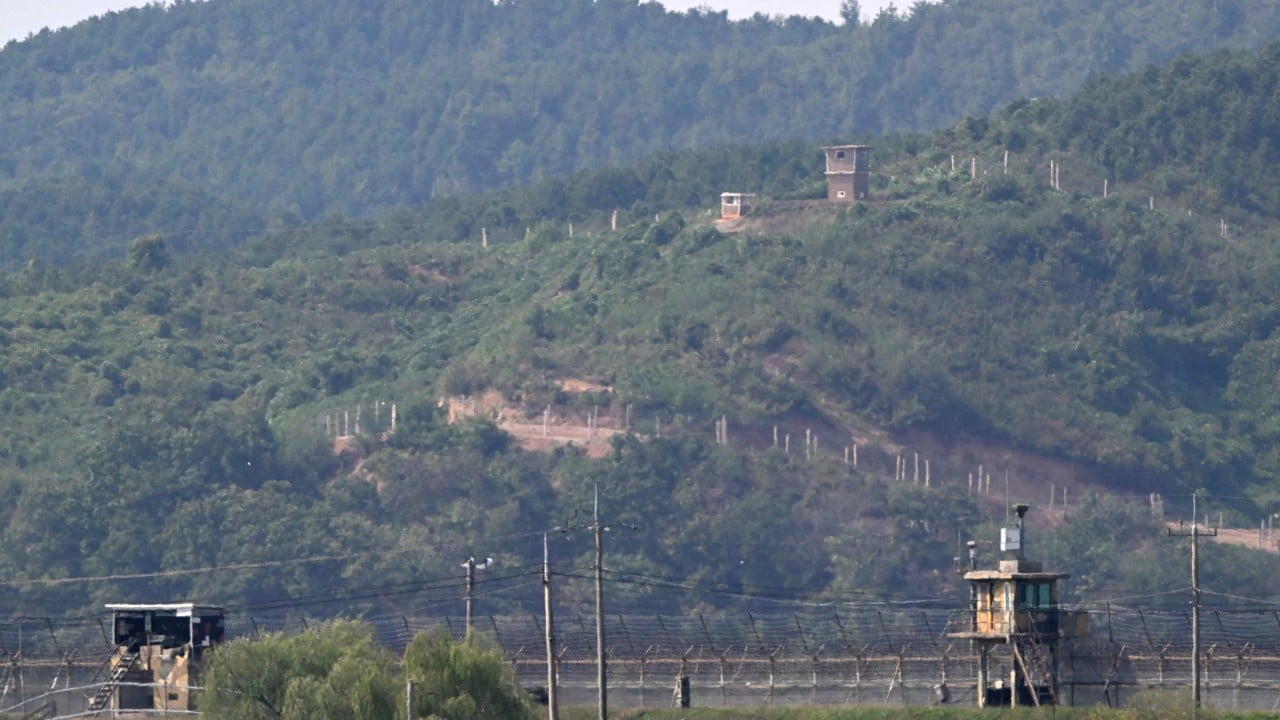
South Korea said on Monday that a recent border blast that seriously wounded two of its soldiers was caused by mines planted by North Korea.
North Korea, which has been fortifying its border with South Korea since April 2024, deployed up to 7,000 workers to install mines and fences this year, with some 50 incidents of crossing the border, according to a briefing on Monday by the South’s military.
The two Koreas are still technically at war after their 1950-53 war ended in an armistice rather than a peace treaty.
“Based on the findings of joint investigations with the United Nations Command and scientific evidence, it is officially determined that our soldiers conducting regular operations in the demilitarised zone [DMZ] were wounded severely by an anti-personnel mine installed south of the military demarcation line by North Korea under its so-called fortification work,” Kwon Dae-won, vice-chairman of the Joint Chiefs of Staff, told a briefing.
The mine that exploded on September 21 was believed to have been planted about a year ago, Kwon said.
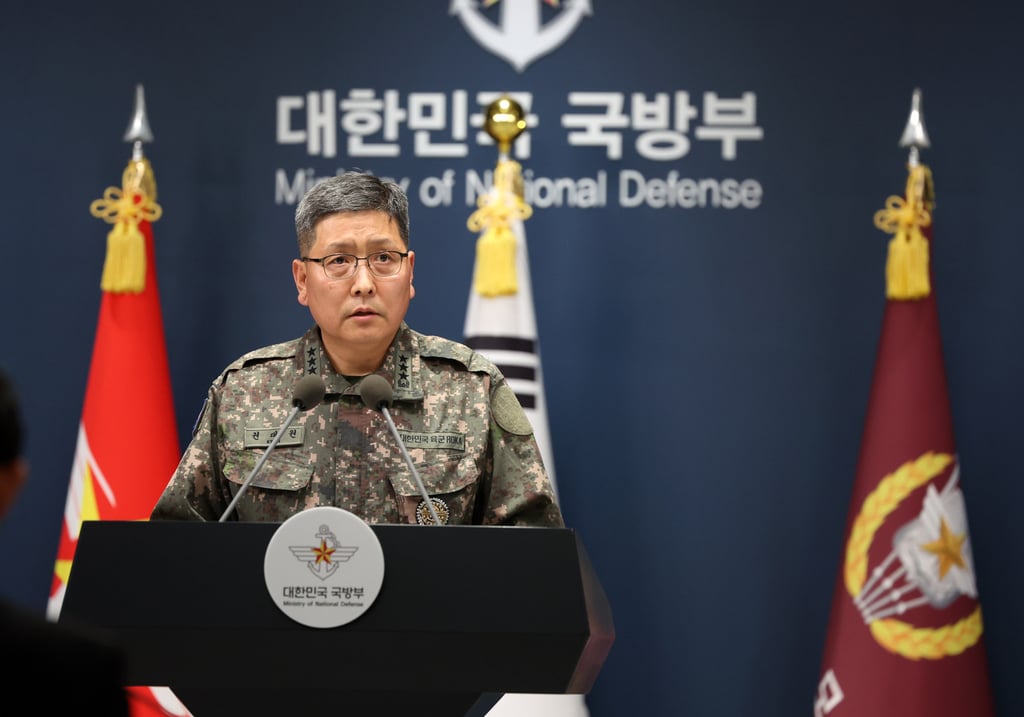
“Our military strongly urges North Korea to apologise sincerely to our soldiers injured by the mine blast and immediately remove mines installed in violation of the armistice agreement,” Kwon said, adding that the army conducted operations on Monday to remove North Korean mines and it would continue if Pyongyang did not remove them voluntarily.
Last week, the UN Command said after joint investigations with the South Korean military that another North Korean anti-personnel mine was identified on the South Korean side of the military demarcation line bisecting the 4km (2.5-mile) wide DMZ, calling it a violation of the Korean war armistice.
On Friday, North Korea’s Kim Yo-jong, the influential sister of leader Kim Jong-un, said South Korea’s accusation was “groundless” and dismissed Seoul’s demand for an apology.
Last year, the South Korean administration of President Lee Jae Myung proposed talks with North Korea to open dialogue with North Korea and ease tensions.
It suggested setting a clearer boundary along the border to avoid the risk of potential military clashes, but North Korea has not responded to any calls for dialogue since it defined South Korea as a “hostile” nation in 2023.
KioskNews shows a cleaned-up reading view extracted from the publisher’s page — the original always lives on their site, not ours.