9 rescued orangutans returned to the wild in Indonesia
The Indonesian province of West Kalimantan, on the island of Borneo, is no stranger to wildfires. Horrific wildfires burned in 2015 and 2019, the latter of which set ablaze around 1.6 million hectares of Indonesian forest and land. However, the scale of destruction from this year’s El Niño-intensified fires throughout the island is unprecedented, according to the nonprofit International Animal Rescue.
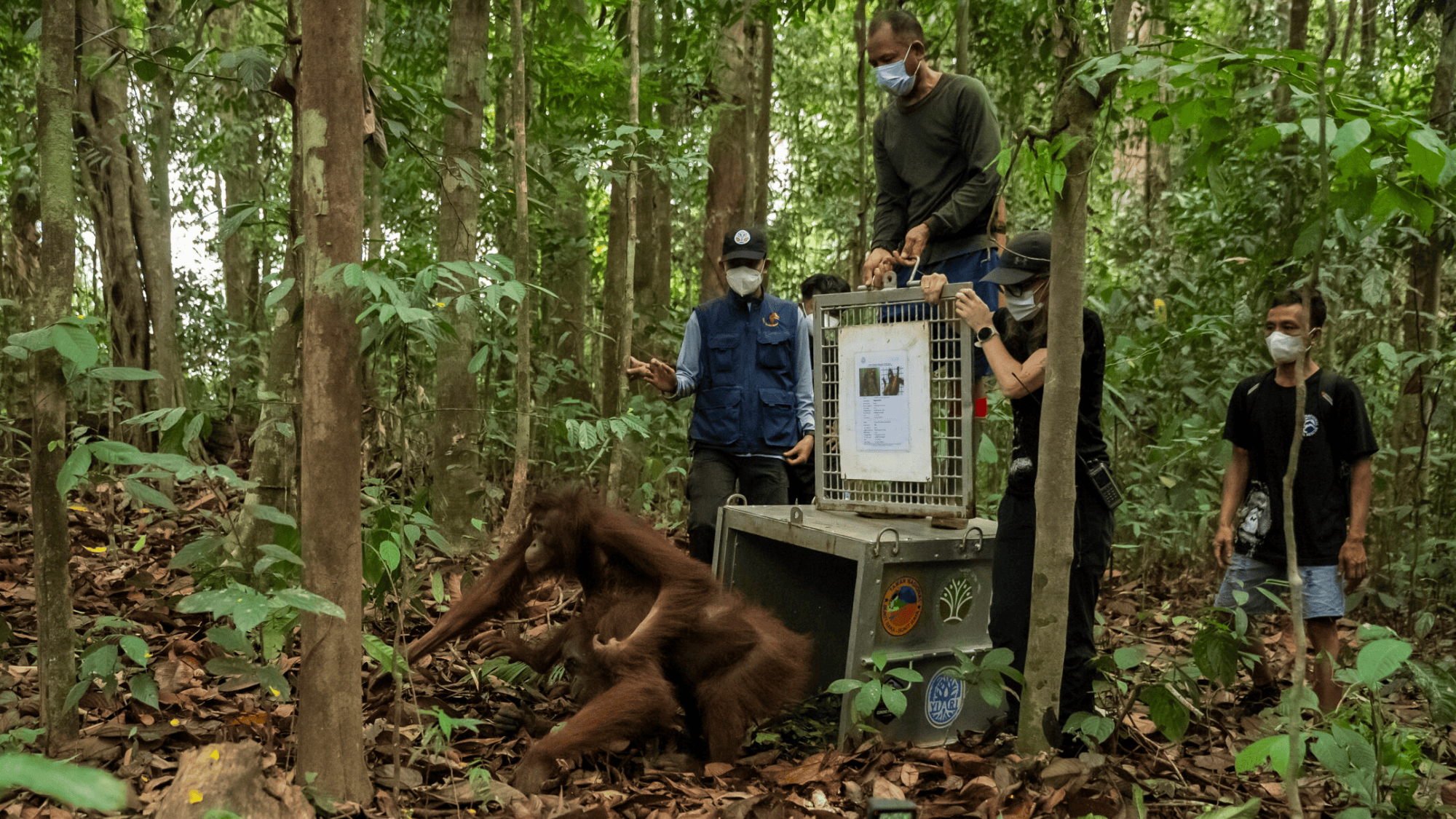
Earlier this year, four mother-baby orangutan pairs and one adult female orangutan (genus Pongo) were rescued from areas in Ketapang (a regency in the West Kalimantan province) impacted by the fires. They were dehydrated and malnourished, and some had burned their feet, likely because they stepped on embers as they crossed burning peatland.
They were taken to an orangutan rescue and rehabilitation centre in Ketapang, West Kalimantan. The center is run by Yayasan Inisiasi Alam Rehabilitasi Indonesia (YIARI), a nonprofit dedicated to primate and habitat conservation in Indonesia. YIARI’s medical team kept an eye on their recovery, and then conducted health examinations to make sure they were all ready for release. The last of these examinations revealed that three of the females were pregnant.
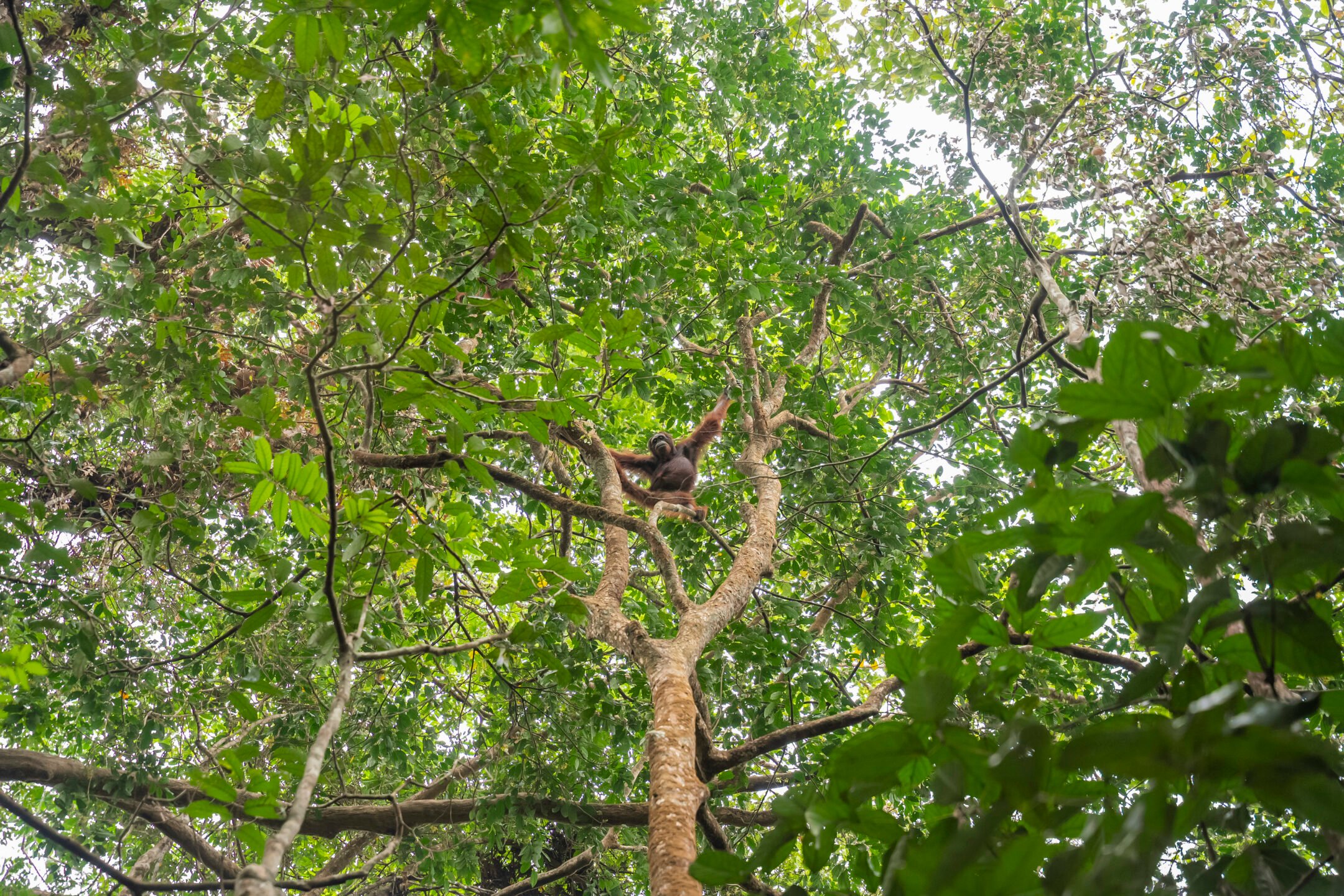
“Their return to the wild is therefore especially important, giving these mothers the opportunity to raise their future young in a safer forest habitat,” International Animal Rescue, YIARI’s founding partner, wrote in a statement.
Experts ultimately chose to release them at Batu Nyambu Protected Forest. While also in West Kalimantan, its roughly 23,000 hectares of land and nearby forests haven’t been affected by the recent fires. Batu Nyambu has plenty of natural food, fresh water, nesting trees, and space. But getting the females and their babies there wasn’t simple—they had to travel by road, boat, and on foot for a total of 12 hours. Luckily, they had support from local communities and traditional leaders.
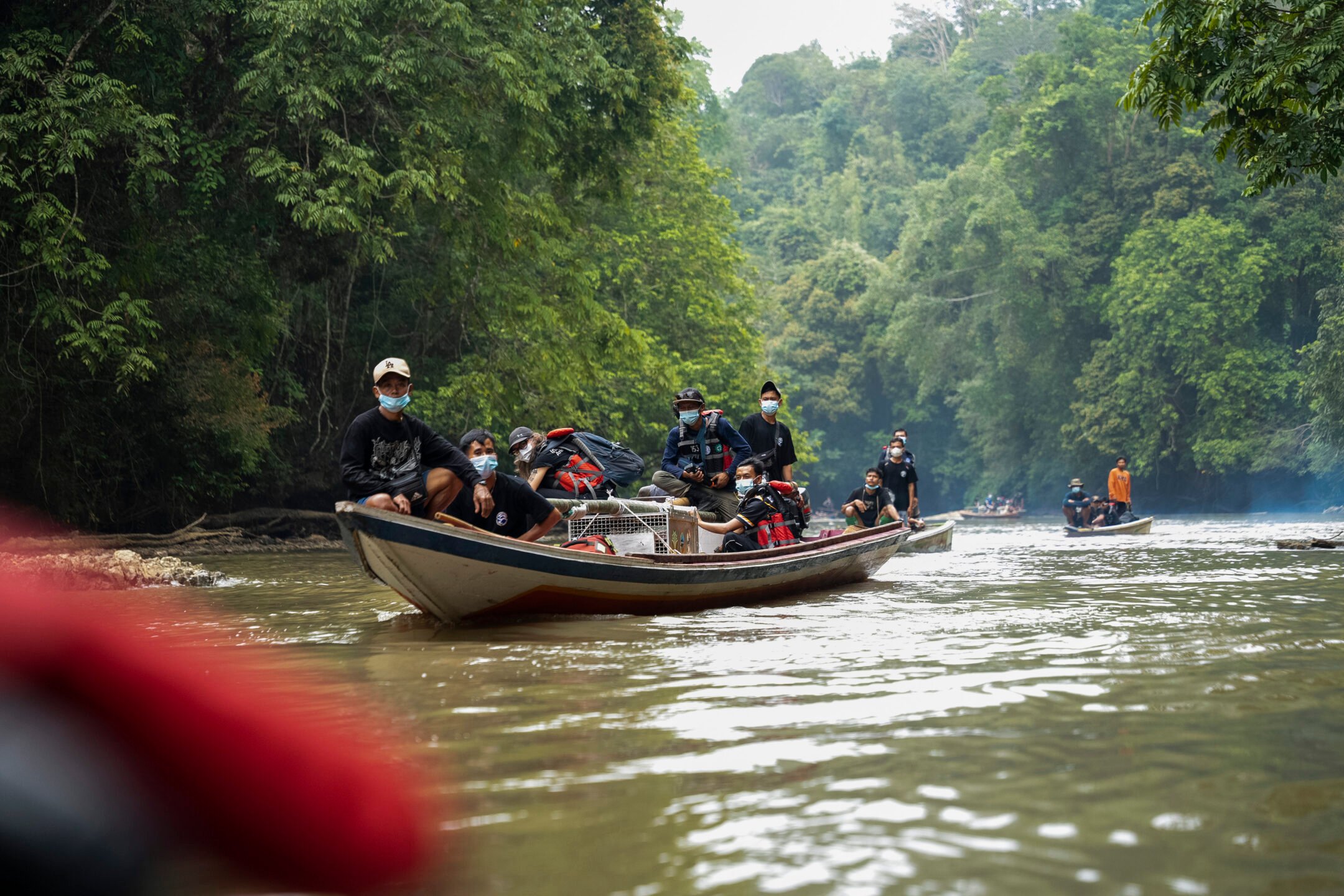
“We are grateful for the support of the community, village governments and traditional leaders,” said Argitoe Ranting, YIARI’s Director of Operations. “The long-term success of conservation efforts depends not only on protecting the area, but also on the role of the people living around the forest in safeguarding habitat and preventing various threats to wildlife.”
Most fires in Indonesia are associated with human activity such as using fire to clear land for plantations and agriculture.
KioskNews shows a cleaned-up reading view extracted from the publisher’s page — the original always lives on their site, not ours.