Pacemakers to syringes: Why India needs fair pricing for medical devices
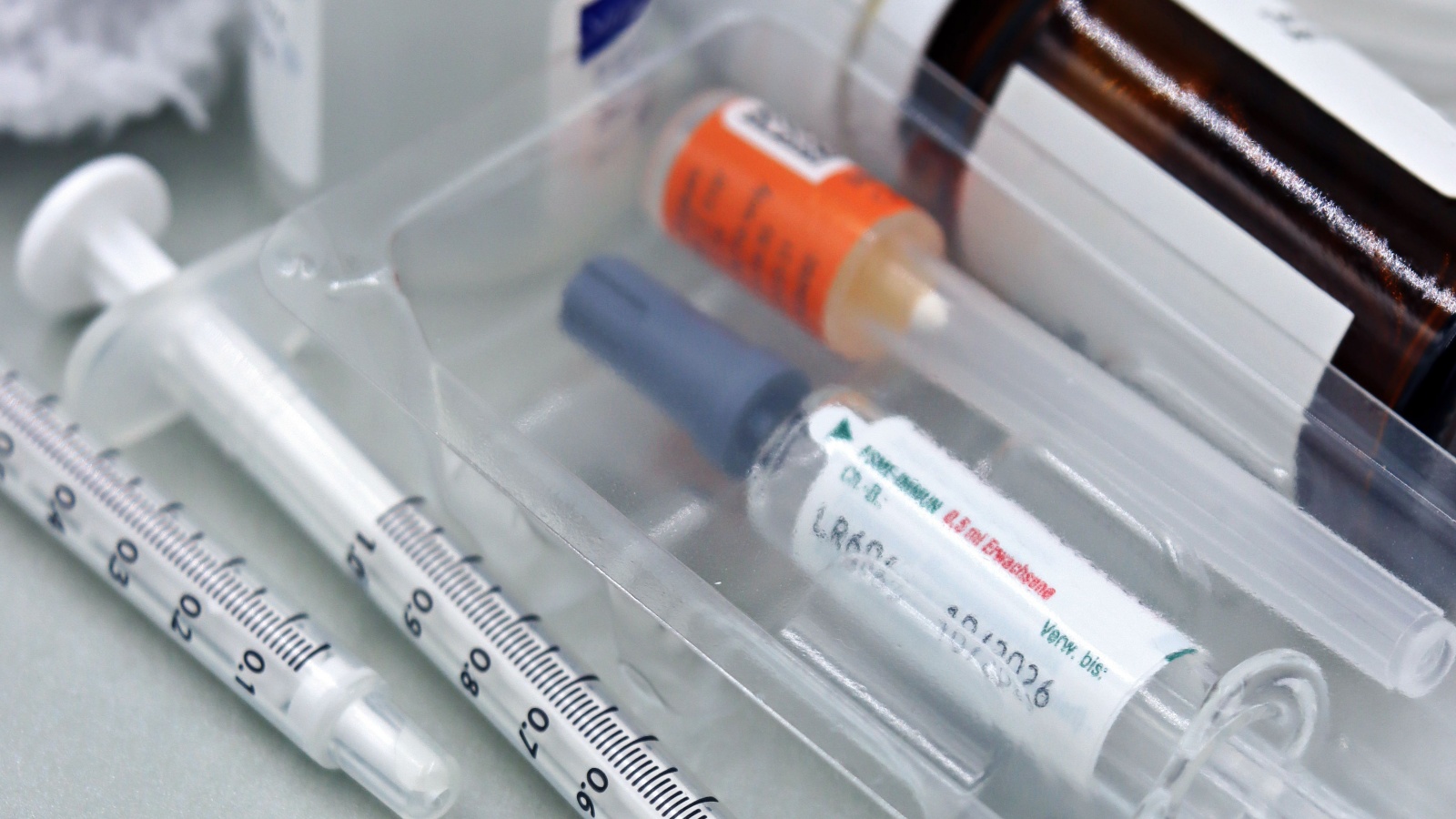
India’s medical device sector has expanded rapidly in recent years, but regulation and pricing mechanisms have not evolved at the same pace. (Source: Pexels)
Written by Rajiv Nath
When Maharashtra FDA (Food and Drug Administration) Commissioner Tukaram Munde recently flagged the exploitative margins in medical devices, he echoed what patients, policymakers and industry have long known: India urgently needs a distinct regulatory framework for medical devices, separate from drugs. The current pharma centric approach under the Drugs (Prices Control) Order (DPCO) distorts competition, penalises ethical manufacturers and leaves patients at the mercy of inflated Maximum Retail Prices (MRPs).
India’s medical device sector has expanded rapidly in recent years, but regulation and pricing mechanisms have not evolved at the same pace. The Medical Devices Rules, 2017 brought devices under a dedicated regulatory framework for quality and safety, yet pricing continues to be addressed largely through mechanisms designed for pharmaceuticals. This disconnect becomes particularly important because the device market spans thousands of products with very different technologies, costs, lifecycles and supply chains. The policy challenge, therefore, is not simply to control prices, but to create a transparent and predictable framework that protects patients from excessive mark-ups without discouraging manufacturers, distributors and hospitals from supplying innovative and essential devices.
Unlike consumer goods and medicines, patients cannot bargain or choose devices. Hospitals decide, often guided by profit margins rather than patient welfare. The result is MRPs inflated 10–30 times above real costs. A pacemaker imported at Rs 25,000 is billed to patients at over Rs 2 lakh. Syringes costing Rs 3 at the factory gate are sold to patients for Rs 30. Heart valves imported at Rs 4 lakh have been marked up to Rs 26 lakh. These are not isolated cases but systemic distortions that erode trust in healthcare.
Medical devices are engineering products, constantly innovating, with diverse categories, ranging from syringes to implants. Applying drug-style controls to devices has created perverse incentives and a skewed market place that works on competitive fair pricing only at the manufacturers’ level or between wholesale traders. Ethical Indian manufacturers operating on thin margins lose out to importers who exploit loopholes to set artificially inflated MRPs. Patients suffer and India’s ambition to be a global medtech hub is undermined.
In 2017, the National Pharmaceutical Pricing Authority (NPPA) capped stent prices, reducing costs by 70 to 85 per cent without any supply shortages. Similarly, prices for knee implants were slashed by up to 69 per cent, making the procedure affordable for middle-class families. These interventions proved that rational price caps improve access, protect patients and create a level-playing field. Extending this principle to other critical devices is the logical next step.
 Rajiv Nath is a Forum Coordinator, AiMeD (Association of Indian Medical Device Industry). (Source: Express Photo)
AiMeD (Association of Indian Medical Device Industry) has advocated for a trade markup-based capping mechanism at the GST trigger point — the first point of sale where there is maximum transparency and a level playing field with imports from overseas manufacturers. For imports, this would mean the landing price — cost of goods delivered to a destination port — and for Indian manufacturers the ex-factory price.
Trade margins can then be capped fairly by price band, say:
Story continues below this ad
• 50 per cent for devices above Rs 1 lakh (e.g., heart valves)
• 66 per cent for devices between Rs 1,000–Rs 1 lakh (e.g., pacemakers, catheters)
• 75% for devices below Rs 1,000 (e.g., syringes, IV sets)
This model ensures affordability for patients, viability for distributors and parity between Indian and overseas manufacturers. It moves India from labelled MRPs to labelled fair prices.
This will ensure that patients are shielded from irrational markups as the transparent margins will prevent predatory pricing and high MRPs. This type of capping will also ensure that domestic manufacturers achieve parity with importers, thereby encouraging investment and innovation by Indian manufacturers. The GST data at the first point of sale also ensures easy monitoring and enforcement of such a fair pricing system. And, most importantly, it would increase patients’ trust in healthcare systems as they will see value, and not profiteering, in the device pricing.
AiMeD’s proposal, submitted to the NPPA Chairman and the Secretary of the Department of Pharmaceuticals, calls for a 12–18 month pilot covering six categories of devices: pacemakers, heart valves, cardiac catheters, syringes, IV sets, and intraocular lenses. Regular review, stakeholder consultation, and calibrated margins will ensure supply continuity and adaptability.
Story continues below this ad
The Maharashtra FDA’s concerns only reinforce the urgency of this pilot. With stents and knee implants as proof — and regulators from NPPA to Maharashtra FDA aligned — India must act decisively.
The author is the Forum Coordinator, AiMeD (Association of Indian Medical Device Industry)
KioskNews shows a cleaned-up reading view extracted from the publisher’s page — the original always lives on their site, not ours.