BFAR studies octopus breeding for sustainable farming in Mimaropa
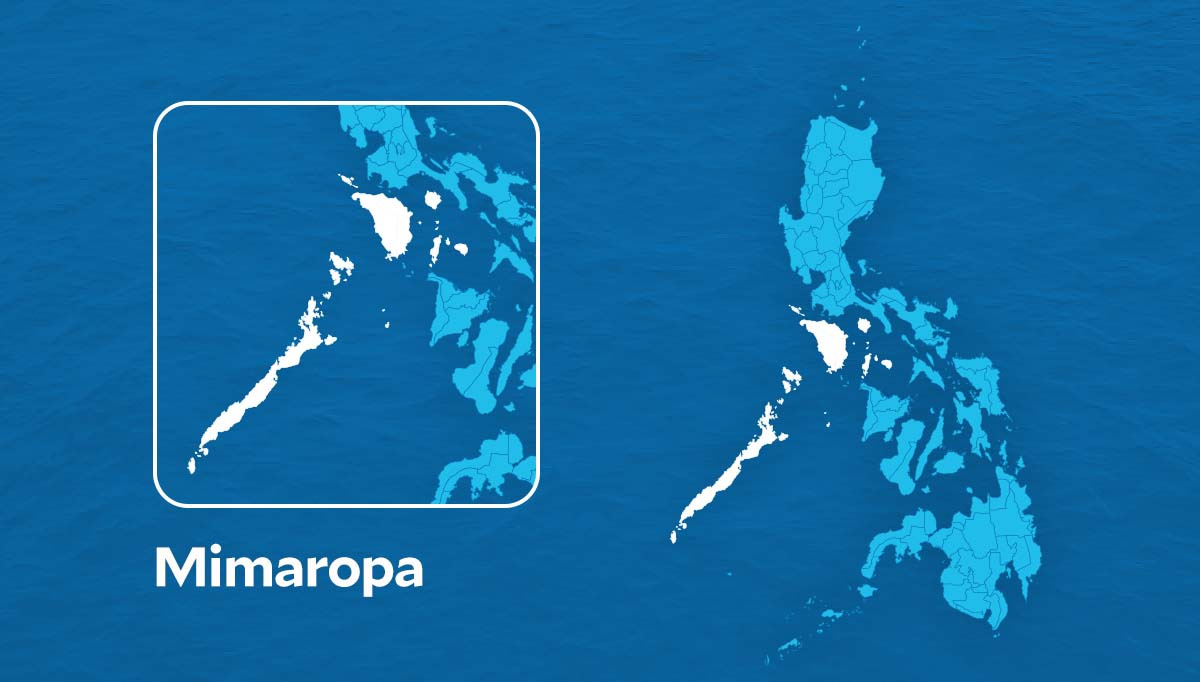
CALAPAN CITY, Oriental Mindoro — The Bureau of Fisheries and Aquatic Resources (BFAR) in Mimaropa is studying the reproductive biology of the octopus Octopus cyanea, locally known as “pugita,” to generate scientific data that could support sustainable fisheries management in the region, according to a social media post on Wednesday, Sept. 30.
The assessment, which began in July 2026 under BFAR Mimaropa’s National Stock Assessment Program (NSAP), is part of a comprehensive profiling and biological assessment of octopus marine farms in the country’s five major octopus-producing regions.
BFAR Mimaropa said the study aims to establish baseline information on the species’ reproductive characteristics, maturity and spawning patterns.
Article continues after this advertisement
READ: BFAR distributes 100,000 tilapia fry in Ilocos
FEATURED STORIES
NEWSINFO
NEWSINFO
NEWSINFO
From July to September, NSAP Mimaropa collected and examined 570 gonad samples from male and female specimens.
The largest female octopus recorded had a gonad weight of 350 grams, a total length of 100 centimeters and a body weight of 2.6 kilograms, BFAR Mimaropa said.
The reproductive biology assessment examines factors such as sex, gonadal development, maturity stages, spawning season and reproductive capacity.
These indicators help researchers determine when octopus populations reproduce, the size at which they reach sexual maturity and their potential to replenish fish stocks.
BFAR said the data being generated could eventually serve as a scientific basis for management interventions, including minimum catch sizes, seasonal measures and the protection of important spawning areas, subject to further analysis and consideration by fisheries managers. /das
KioskNews shows a cleaned-up reading view extracted from the publisher’s page — the original always lives on their site, not ours.