Your spine could be ageing faster than you are: Signs you shouldn’t ignore
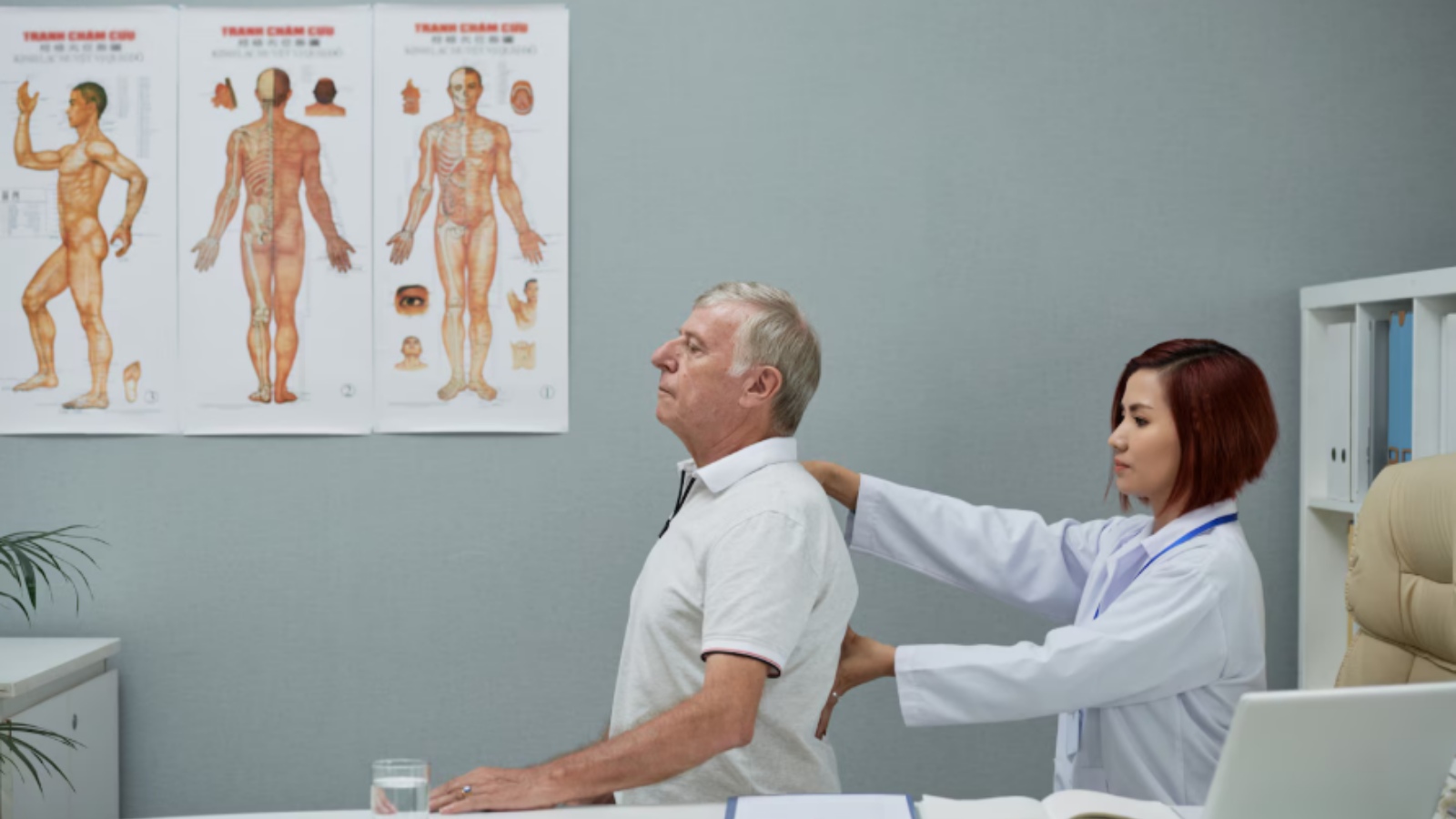
Spine surgeon Dr Ram Chaddha recently discussed spine age, explaining how it may differ from a person’s chronological age. In a conversation with neurologist and content creator Dr Siddharth Warrier, he explained the difference between spine age and real age.
In the video, Dr Chaddha can be seen explaining how a 38-year-old can unknowingly be carrying the spine of a 48-year-old, and why some people may experience spinal degeneration earlier than expected, whether or not they have obvious symptoms.
DISCLAIMER: This article is based on information from the public domain and/or the experts we spoke to. Always consult your health practitioner before starting any routine.
But can your spine really be “older” than your age?
In a functional sense, yes. But Dr Aashish Chaudhary, Director & Head, Department of Orthopaedics and Joint Replacement, Aakash Healthcare, points out that spine age isn’t a formal measure you can determine simply by looking at a scan.
“As we age, the spine undergoes wear and tear, with changes occurring in the structure of the discs, joints and supporting muscles. These changes do not always correspond to a person’s actual age,” says Dr Chaudhary.
Several factors can cause these changes to appear earlier than expected. “Genetics, previous injuries, obesity, prolonged sitting, poor posture and physically demanding work can cause the spine to show age-related changes earlier than expected,” he explains.
However, an important distinction is that spinal changes on an X-ray or scan don’t automatically mean you have an unhealthy spine.
Story continues below this ad
“Changes on imaging alone do not mean that the spine is unhealthy or that a person will have pain,” says Dr Chaudhary.
What are the early signs of accelerated spinal ageing?
“Early signs include increased stiffness, particularly after waking up or sitting for long periods, decreased flexibility, difficulty maintaining good posture and recurrent bouts of back or neck discomfort,” says Dr Chaudhary.
You may also notice a gradual reduction in what your body can comfortably do. “People might find that they cannot do things they were once able to do easily,” he adds.
However, certain symptoms shouldn’t be attributed to age alone. “Persistent pain, numbness, tingling, weakness or radiating pain into the arms or legs should not be dismissed as simply ageing and should be medically assessed,” Dr Chaudhary stresses.
Does sitting all day age your spine faster?
Long hours at a desk aren’t necessarily going to cause spinal degeneration on their own, but prolonged sitting, inactivity and poor posture can contribute to poor spinal health.
Story continues below this ad
“While they are not the only causes of degeneration, prolonged sitting, poor posture and lack of movement can be a significant part of poor spinal health,” says Dr Chaudhary.
Sitting for extended periods can place sustained strain on the back and neck, while inactivity can weaken the muscles that provide support to the spine. Poor posture can add to that strain. For desk workers, therefore, the goal shouldn’t be to find one perfect sitting position and remain in it all day.
“It is important to get up regularly and change position during the day, especially for people who spend many hours working at a desk,” Dr Chaudhary says.
Can you slow down spinal ageing?
“We cannot stop natural ageing, but we can support healthier spine functioning,” says Dr Chaudhary.
Story continues below this ad
One of the most useful approaches is to keep the body moving. “Regular walking, strength training and flexibility exercises can help keep the muscles and mobility strong,” he explains.
Maintaining a healthy weight can also reduce the physical load placed on the spine. For people who work at a desk, an ergonomic workstation and frequent movement breaks can help reduce prolonged strain.
“Other steps that help overall spinal and bone health include getting good sleep, eating good nutrition and not smoking,” adds Dr Chaudhary.
DISCLAIMER: This article is based on information from the public domain and/or the experts we spoke to. Always consult your health practitioner before starting any routine.
KioskNews shows a cleaned-up reading view extracted from the publisher’s page — the original always lives on their site, not ours.