Losing Ninja: Seventeen years beside me, a legacy beyond goodbye — Murad Zaidi
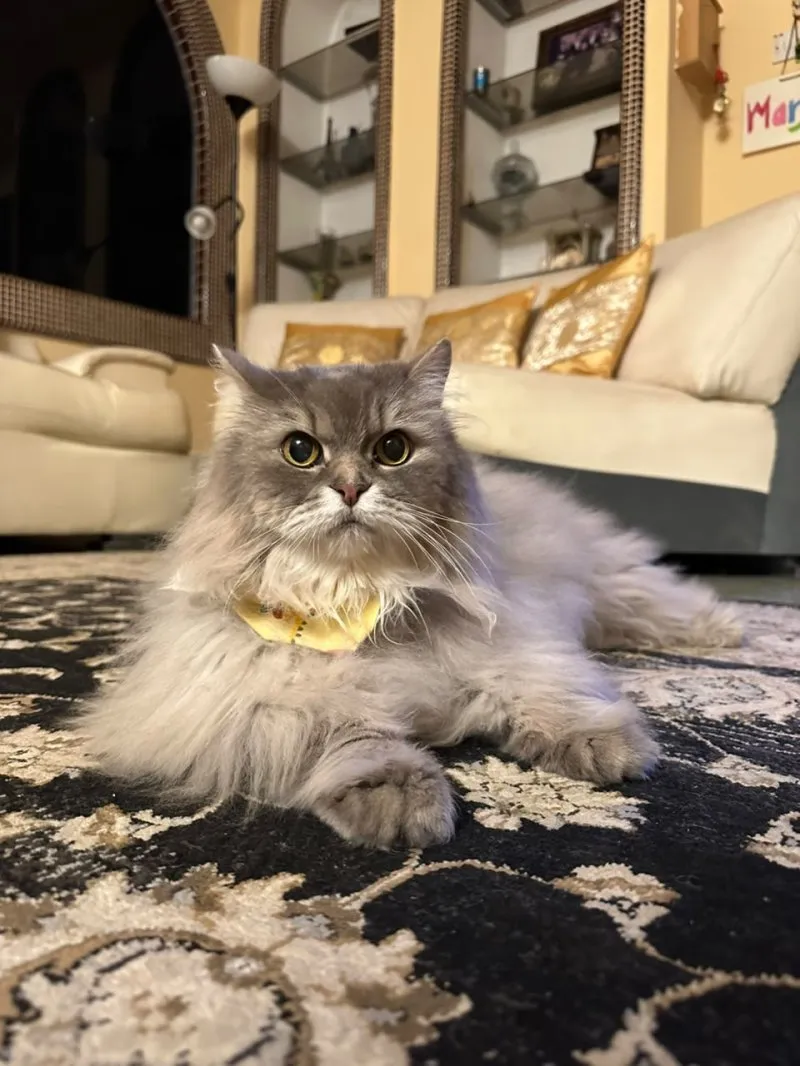
NOVEMBER 25 — For 17 years, before I faced the demands of each day, there was Ninja.
Every morning after prayer, I would talk to him. He never answered in words, but his familiar presence was enough. My life has been shaped by discipline, ambition and responsibility, and Ninja gave me something no achievement could measure: peace.
He was there through uncertain beginnings, changing fortunes and ordinary nights whose worth I only understood later. He was family, my most loyal companion and the quiet presence beside me through everything.
On November 18, Ninja turned 17. He spent his birthday receiving a blood transfusion while his veterinary team worked to support him through a complex illness. Two days later, at 1.20am on November 20, he died in my arms. I held him on my chest until dawn.
Ninja had been under veterinary care for close to a month, first at private facilities and later at Universiti Putra Malaysia’s (UPM) veterinary hospital. He had severe anaemia, kidney abnormalities, breathing difficulties and fluid accumulation. His treatment included oxygen support, assisted feeding, medication and a blood transfusion, and the bills came to more than RM30,000.
Despite all of that, he could not be saved.
I remember him as a fighter. He was a small companion who kept enduring setbacks while staying deeply connected to me. It comforts me to think he stayed until his work as my companion was done. That is how I make sense of our farewell, after 17 years in which he gave me the strength to face so much.
What remains is grief, and also a responsibility I feel towards other animals. I want Ninja’s story to help other owners notice changes in their cats, understand why veterinary tests are done and ask informed questions about their cats’ care.
Earlier assessment cannot guarantee recovery, and a difficult outcome does not prove an illness could have been prevented. But noticing changes and investigating them quickly can create chances for treatment and management.
No one can fill Ninja’s place in my life, and my mornings are different now. But the conversations after prayer will go on, beside the place where he rests.
Older cats can develop several conditions at once, so changes in their behaviour or physical condition should not automatically be put down to age. Common problems include chronic kidney disease, hyperthyroidism, diabetes, hypertension, dental disease, arthritis and cancer.
Five groups of changes deserve particular attention:
Appetite or weight changes. Eating less, difficulty chewing or unexplained weight loss should be checked. A cat that stops eating needs prompt veterinary advice, because even 24 hours without food can have serious consequences.
Increased thirst or changes in urination. More drinking, larger litter clumps or new toileting accidents can come with several illnesses. Repeated straining with little or no urine is an emergency.
Changes in movement, grooming or behaviour. Reluctance to jump, stiffness, hiding, irritability or an unkempt coat may point to pain or illness.
Persistent vomiting, diarrhoea or bowel changes. Symptoms that keep coming back need investigation, especially alongside poor appetite or weight loss.
Breathing difficulty, collapse or marked weakness. These need urgent assessment. Laboured or open-mouth breathing should never wait for a routine appointment.
One of the most important lessons I learnt is the value of knowing what is being tested, what the results mean and what should happen next.
A senior-cat assessment begins with a thorough physical examination. Common investigations include:
- A complete blood count to check for anaemia and blood-cell abnormalities
- Blood chemistry to look at kidney and liver markers, glucose, proteins and electrolytes
- Urinalysis
- A total T4 thyroid test
- Blood-pressure measurement
These tests complement one another, but they are not a universal panel that rules out every illness. Depending on the findings, imaging, cultures, fluid analysis or other targeted tests may be needed. Keeping previous results lets vets look at trends instead of relying on a single reading. Senior cats generally benefit from check-ups at least every six months, more often depending on their condition.
Feline infectious peritonitis (FIP) was among the conditions suspected during Ninja’s treatment, but it has not been established as the cause of his death. A positive feline coronavirus antibody test alone does not diagnose FIP.
Among the memories I carry from those last days is the response to our urgent appeal for blood donors. About 14 cats were brought forward by their owners, many of them strangers. Some travelled long distances. Some arrived late at night and waited while arrangements were made. They offered their time and their own companions in the hope of helping mine.
I thank every owner who came forward, Doctors and the UPM staff who cared for Ninja, and everyone who shared the appeal or kept my family in their prayers. Their kindness is part of Ninja’s story.
So is the lesson of his life: loyalty is often quiet, companionship can steady a person through years of uncertainty, and care begins with paying attention.
No one can fill Ninja’s place in my life, and my mornings are different now. But the conversations after prayer will go on, beside the place where he rests.
If his story leads another owner to notice a change, get an examination or better understand a treatment plan, part of his legacy will live on there too.
Seventeen years of companionship have ended. The care it inspired does not have to.
• Murad Zaidi is a high-performance coach.
** This is the personal opinion of the writer or publication and does not necessarily represent the views of Malay Mail.
KioskNews shows a cleaned-up reading view extracted from the publisher’s page — the original always lives on their site, not ours.