Bill Gates repeats AI ‘nightmare warning’, but says robots could make life better
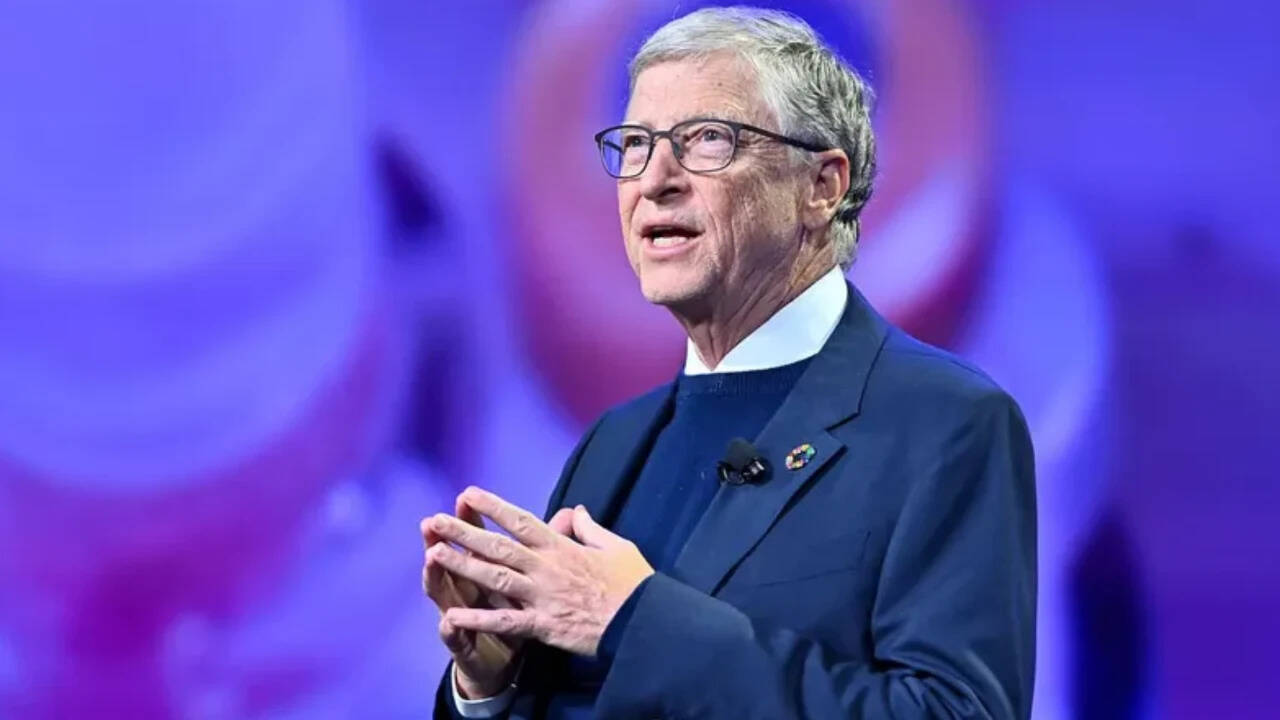
Bill Gates has once again warned about the disruptive potential of artificial intelligence, saying that AI-powered robots could eventually perform tasks ranging from building houses and growing food to carrying out surgeries, reducing the need for human labour across much of the economy.
At the same time, the Microsoft co-founder stressed that the technology could also bring significant benefits, including cheaper goods, better healthcare and improved living standards. Speaking on The Verge's Decoder podcast, Gates outlined a future that he believes could emerge within roughly the next two decades if AI development continues at its current pace. He said advanced AI systems and robotics could fundamentally reshape the relationship between work and economic output.
"If we don't choose to massively slow down or stop, then we will have robots that can build houses, grow food, do surgery," Gates said. He added that many of the economic functions currently provided by human workers may eventually no longer be required for most goods and services.
Bill Gates believes AI could make many skills less scarce
Gates argued that the impact is already beginning to appear in white-collar professions. According to him, AI systems are increasingly capable of performing tasks such as customer support, telesales and accounting more cheaply, quickly and accurately than humans.
"As the AI achieves superhuman intelligence, the scarcity of white-collar skills goes away," Gates said.He also suggested that advances in humanoid robotics could eventually extend similar pressure to physical occupations including construction, farming and other labour-intensive industries. Gates pointed to growing investments in robotics, particularly in China, as evidence that large-scale automation of physical work is becoming increasingly feasible.
Not all bad news: cheaper homes, better healthcare
Despite the warning, Gates emphasised that AI is not solely a threat to workers. He said the technology could create major societal benefits if deployed effectively. "If robots can build homes more cheaply and AI can help develop treatments for diseases, the technology could improve living standards and expand access to essential services," Gates said during the discussion.According to Gates, automation could help address shortages in critical sectors, lower the cost of goods and services, and accelerate scientific and medical breakthroughs that are currently limited by human capacity and resources.
A difficult 20-year transition
The billionaire philanthropist's primary concern is not the long-term outcome but the transition period leading to it. "My big concern is this 20-year transition period where they'll have winners and losers and a lot of disruption, and we have to get through that in order to get to that period of abundance," Gates said. He warned that workers whose skills become less valuable as AI adoption increases could face significant challenges before the broader benefits of automation are fully realised.
Jobs, he noted, provide not only income but also structure, social interaction and a sense of purpose, raising difficult questions about how societies will adapt if machines assume a growing share of both intellectual and physical work.
Calls for better preparation
While Gates remains optimistic that AI can help solve major global challenges such as disease and shortages of essential goods, he has repeatedly urged governments and industry leaders to prepare for the disruption that may accompany the technology's rapid advancement. According to Gates, the central challenge will be ensuring that the benefits of AI-driven abundance are shared broadly, while minimising the economic and social disruption that could occur as traditional jobs evolve or disappear.
KioskNews shows a cleaned-up reading view extracted from the publisher’s page — the original always lives on their site, not ours.