Bangkok’s iconic buses to live on after surviving floods
Heavy-duty performance justifies refurbishing some cream-red vehicles for emergencies, says BMTA chief
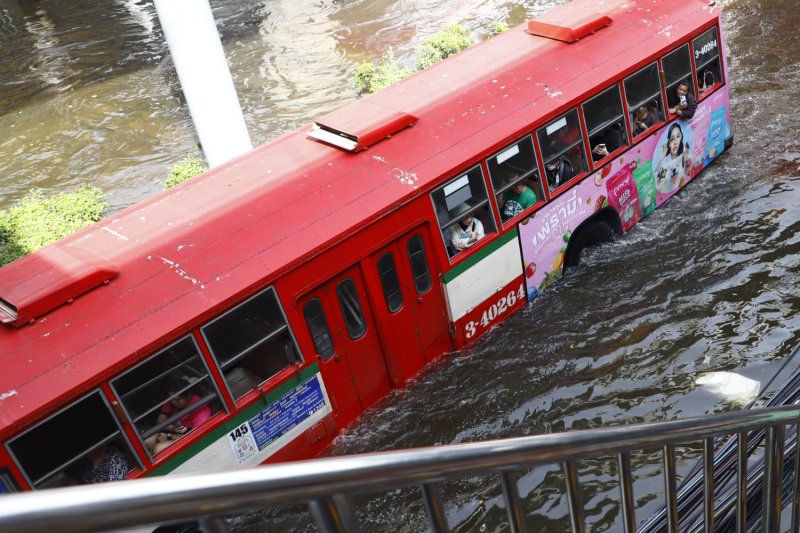
Bangkok’s iconic cream-red buses will live on, with selected vehicles to be repurposed for emergency reserves after the ageing fleet proved its worth transporting passengers during the 2026 flood, says the director of the Bangkok Mass Transit Authority (BMTA).
“I will not abandon our cream-red buses,” Kittikan Chomdoung Charuworapolkul declared in a post on Facebook on Friday.
The BMTA is moving towards cleaner transport, with more than 1,500 electric buses set to replace the ageing vehicles from 2027.
However, the recent major floods showed that the cream-red buses remain essential during crises and emergencies, Mr Kittikan said.
The buses can operate through water as deep as 80 centimetres in emergencies, while their conventional fuel systems allow them to be refuelled at the scene and continue operating.
“This is a level of durability that modern systems are still hard-pressed to replace,” he said.
Mr Kittikan said the challenge was to revive the cream-red buses by applying engineering solutions. Only vehicles that remain structurally sound would be selected for a major overhaul, including a complete cleaning and refurbishment of their systems.
Their engines would also be upgraded to meet modern emissions standards, as the buses have long faced criticism over visible exhaust smoke.
The refurbished buses would no longer operate on regular routes but would instead serve as “emergency reserve buses” to be deployed when needed.
Mr Kittikan also invited the public to share ideas about what colour scheme or symbol should be used to reflect the buses’ new role.
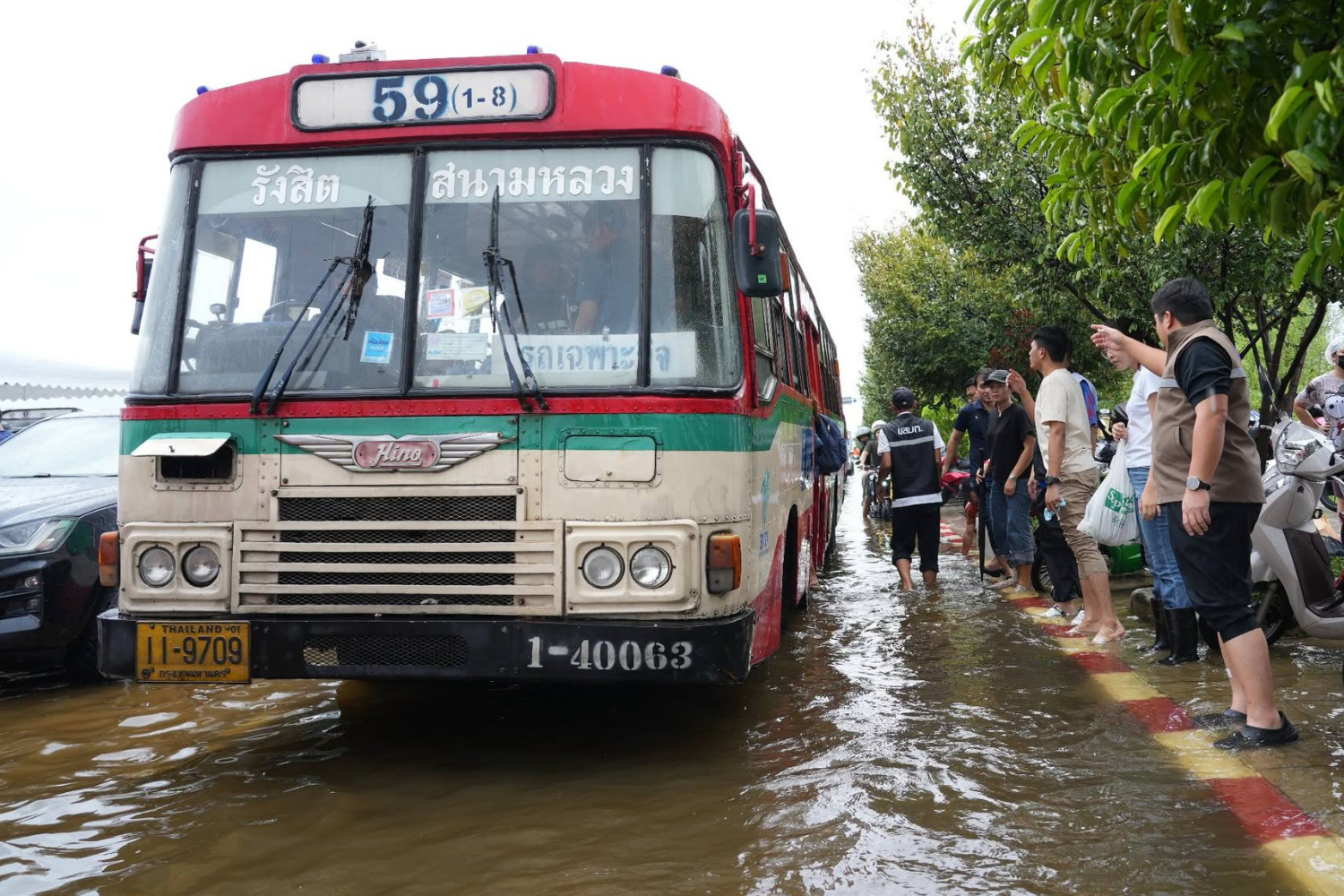
Bus No. 59 on duty on the Rangsit-Sanam Luang route during recent flooding. (Photo: Kittikan Chomdoung Charuworapolkul)
The cream-red bus fleet celebrated its 35th anniversary in Bangkok on Aug 2.
The buses currently operated by the BMTA are second-generation models with centrally positioned doors. The first batch was officially handed over and launched in 1991.
At the time, four models of non-air-conditioned buses were introduced — Hino, Isuzu, Daewoo and Mitsubishi — along with Mercedes-Benz Padane cream-and-blue air-conditioned buses, for a combined total of 2,040 vehicles, according to Bangkokbusclub, an online community and information hub for Bangkok bus fans and commuters.
However, problems with maintenance contracts led to the earlier retirement of the Daewoo and Mercedes-Benz Padane buses.
The fleet now consists of three cream-red models, with 1,519 buses in service, excluding spare vehicles: 490 Hino AK176s, 529 Isuzu MT111QBs and 500 Mitsubishi Fuso RP118s.
The cream-red buses are the longest-serving vehicles in the BMTA’s fleet, having transported generations of passengers from their school days through their working lives.
The BMTA plans to gradually retire the cream-red buses once it receives new electric air-conditioned buses under a vehicle rental contract previously signed with Nakhonchai Air.
“We are bringing back a BMTA icon and giving it value in a new mission that is more challenging than before,” Mr Kittikan wrote.
Some commenters on his post also expressed hope that the BMTA would continue operating some cream-red buses on regular routes, citing concerns about higher fares for electric air-conditioned services.
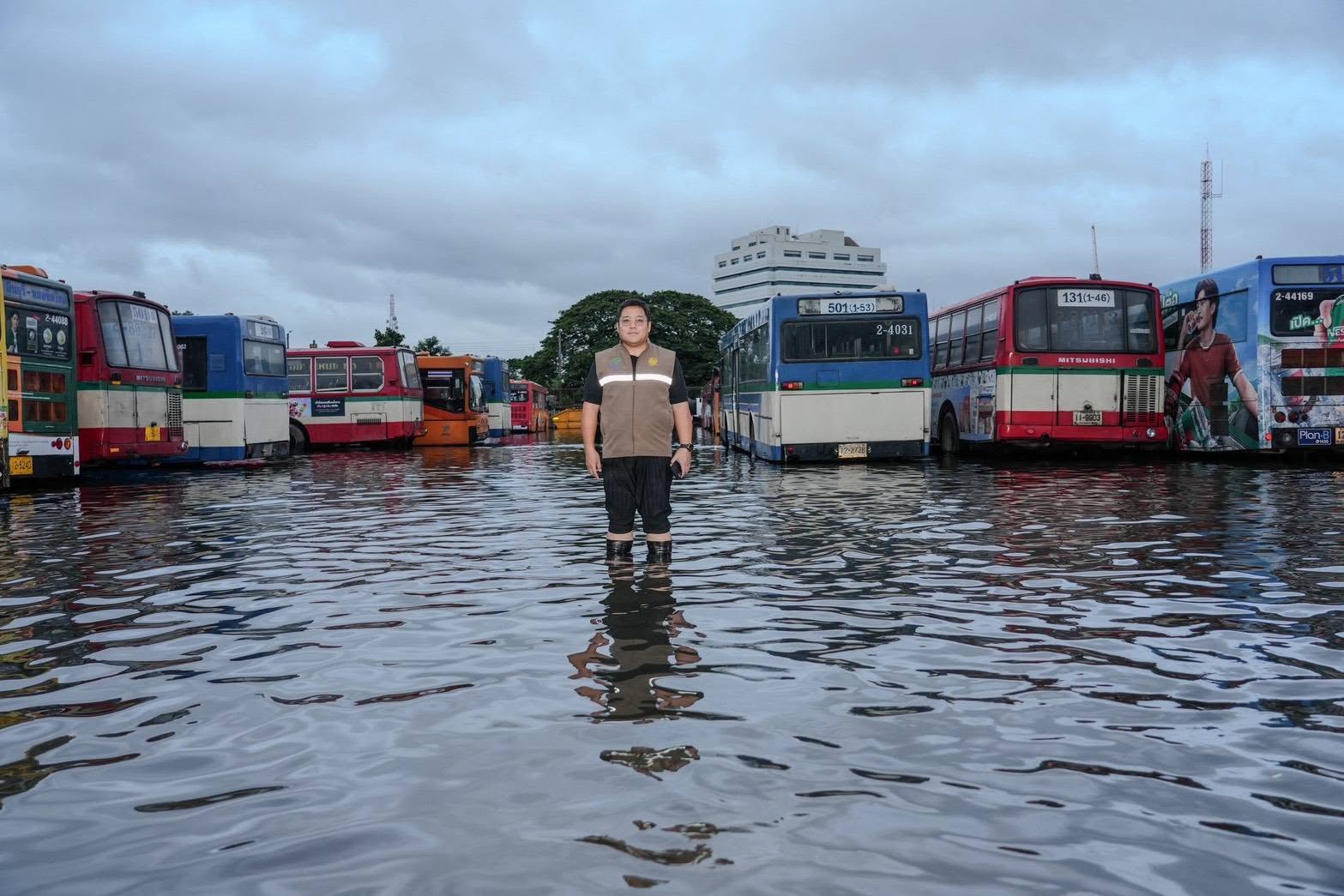
Kittikan Chomdoung Charuworapolkul, director of the Bangkok Mass Transit Authority (BMTA), stands in floodwaters among the remaining ancient passenger buses. (Photo: Kittikan Chomdoung Charuworapolkul)
KioskNews shows a cleaned-up reading view extracted from the publisher’s page — the original always lives on their site, not ours.