No licences for online gaming yet, but age limits are on the table, says Fahmi
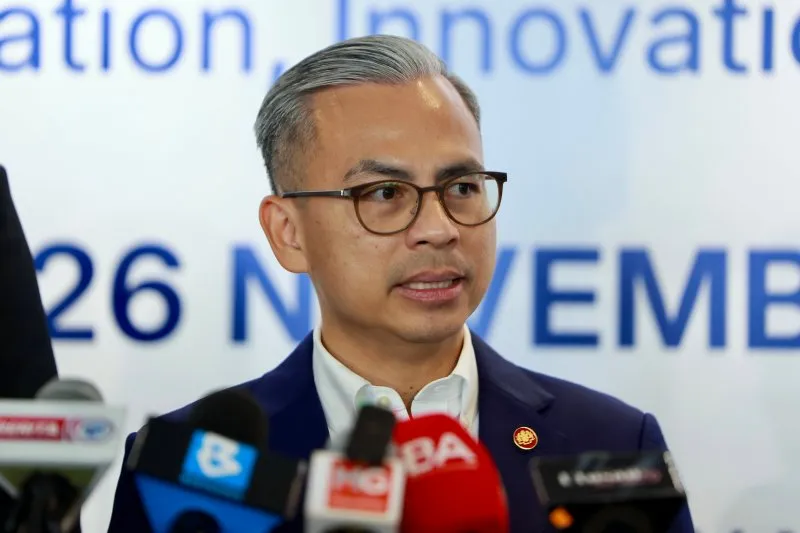
KUALA LUMPUR, 25 Nov -- Menteri Komunikasi Datuk Seri Fahmi Fadzil bercakap pada sidang media selepas merasmikan NEXSEC 2026: Memperkasa Ketahanan Siber Melalui Kolaborasi, Inovasi dan Pembangunan Kompetensi di Pusat Pameran dan Perdagangan Antarabangsa Malaysia MITEC hari ini.--fotoBERNAMA (2026) HAK CIPTA TERPELIHARA
First Published: Thursday, 26 Nov 2026 1:52 PM MYT
Last Modified: Thursday, 26 Nov 2026 1:57 PM MYT
KUALA LUMPUR, Nov 26 — The government does not intend to introduce special licensing requirements for online gaming service providers similar to those imposed on social media platforms but is instead examining the risks and appropriate regulatory approaches through the Malaysian Communications and Multimedia Commission (MCMC).
Communications Minister Datuk Seri Fahmi Fadzil said the ongoing study covers aspects such as child safety, user interactions, game features and content, as well as the protective measures implemented by service providers.
He added that MCMC is also reviewing international approaches and practices to identify suitable and effective protective measures.
“The findings of the study will serve as a basis for determining the need to introduce additional protective measures or regulatory approaches including the potential implementation of age limits and age verification mechanisms for the use of online gaming platforms.
“This takes into account the Malaysian context, industry developments, identified risks, and the effectiveness of existing protective measures,” he said during the question-and-answer session in the Dewan Rakyat today.
He was responding to a question from Lee Chuan How (PH-Ipoh Timor) regarding plans to extend age restrictions similar to those for social media to online gaming platforms, particularly those with a high number of child and adolescent users.
Meanwhile, the Communications and Multimedia Content Forum of Malaysia (CMCF) conducted a public consultation to develop a ‘gaming subcode’ from September 19 to October 24.
He noted that the process involved app store operators, local and international game developers, online safety experts, the e-sports industry, legal practitioners, and researchers. The feedback received will be considered to refine the subcode.
He stated that the government is committed to ensuring that any regulatory measures introduced are evidence-based and proportionate to the level of risk, prioritising the safety of children and adolescents while fostering the responsible development of the online gaming industry.
Addressing a supplementary question from Datuk Wan Saifulruddin Wan Jan (PN-Tasek Gelugor), Fahmi explained that while the government is working on a licensing framework that would require platform providers to maintain an office in Malaysia, there is also scope to take action through other approaches.
“For instance, regarding the platform X when issues arose concerning its AI application, Grok we engaged with representatives from X and Grok in Singapore.”
“Ultimately, it was not just Malaysia, but many other countries that exerted pressure; consequently, Grok modified the application to prevent the AI tool from being misused to edit or transform images into explicit, pornographic content,” he said. — Bernama
KioskNews shows a cleaned-up reading view extracted from the publisher’s page — the original always lives on their site, not ours.