RSPCA struggling with capacity crisis as number of unwanted and homeless cats hits all-time high
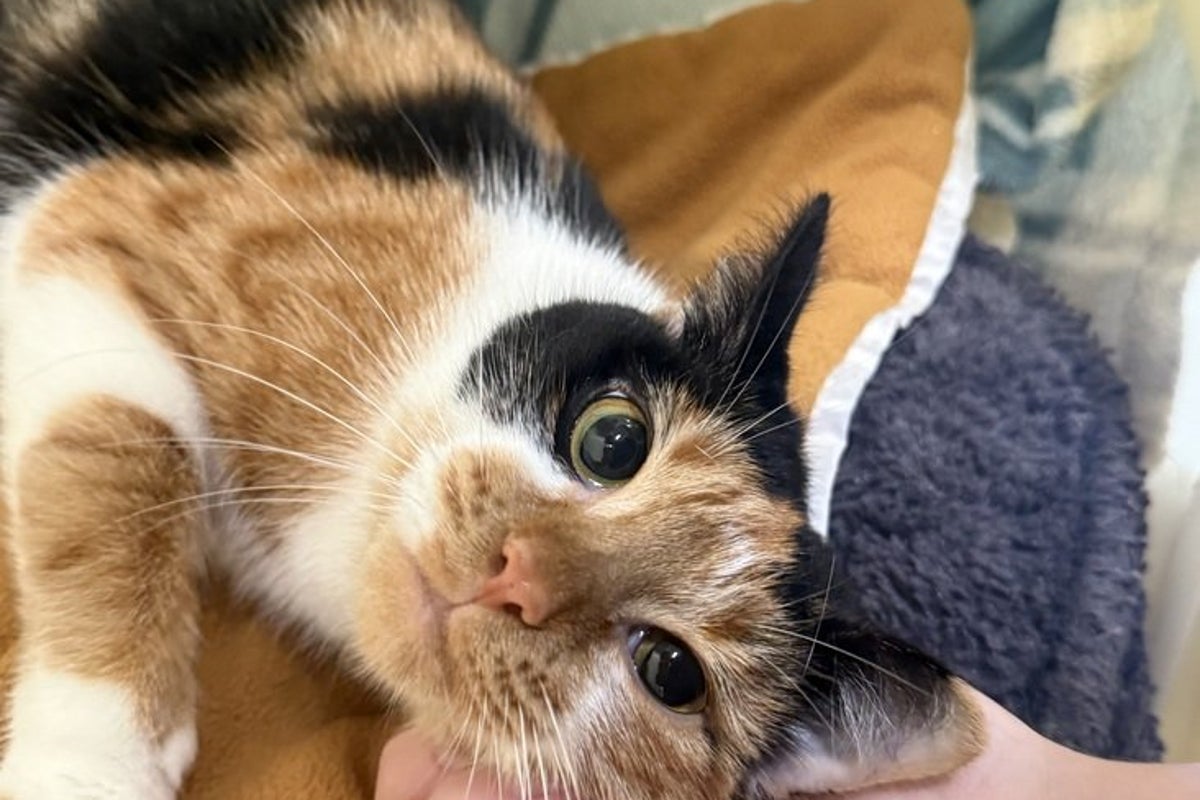
The RSPCA says it has been plunged into a crisis of unwanted cats, with numbers of homeless felines hitting an all-time high.
The number of abandoned and stray cats has reached unprecedented levels, and rising cases of cruelty and neglect are adding to the strain on the charity’s centres and staff.
A spike in large-scale cat rescues is intensifying the pressure, prompting charity chiefs to beg owners to have their pets neutered.

Last year, the charity was called to 1,780 cases involving 10 or more cats at a single address – almost five every day. It was an increase of nearly 65 per cent on the year before and a jump of 218 per cent since 2021.
These cases involved more than 36,000 cats in total.
Altogether, cats needing help are arriving more quickly into its care than they can be rehomed, causing a capacity crisis, charity chiefs say.
Around 20,000 cats were taken into RSPCA care last year, and the charity believes that figure will be exceeded this year.
Hundreds of cats and kittens have places in the charity’s national centres, and thousands more are in branches and private catteries as staff struggle to find space to care for the increasing numbers, despite finding homes for almost 70 animals a day.
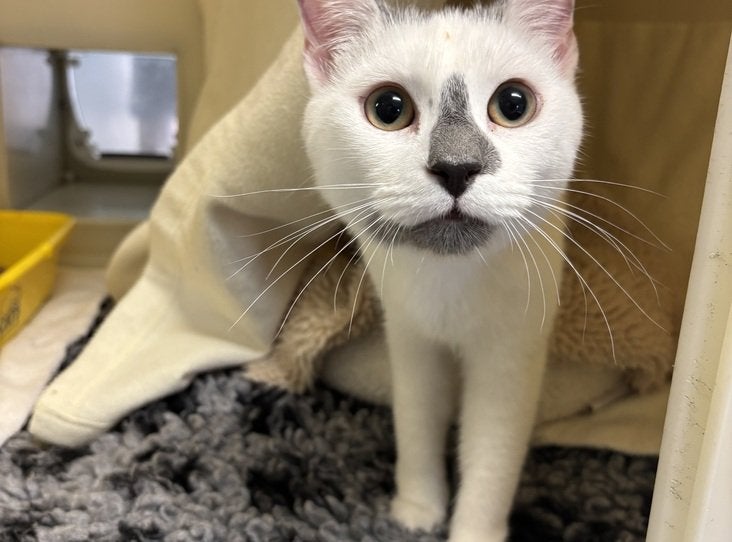
Mental-health struggles, the cost-of-living crisis and breeders with poor practices all contribute to households where large numbers of animals are kept in poor conditions.
Last month, 26 cats and kittens were found in sealed plastic boxes and carriers, dumped beside flytipped rubbish in a Birmingham alleyway. Many were struggling to breathe, and they were all underweight and flea-ridden.
In April, the RSPCA and Metropolitan Police rescued 25 Scottish Fold cats with health issues from a caravan in south London.
Last December, Devon and Cornwall Police helped the charity save more than 100 cats, a dog and a tortoise from a three-bedroom house.
Beth Clements, RSPCA assistant director of animal services, said the huge influx of cats and kittens was having a massive impact on centres and branches.
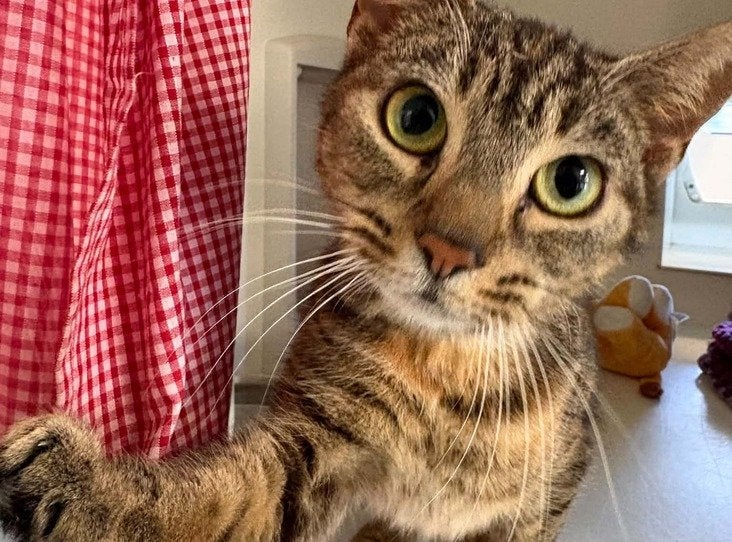
“So far this year we’re taking in an average of 624 cats each month across our 14 national centres and private boarding establishments. That’s not including the massive numbers our independent local branch network are taking in, too.”
She said the charity now has more cats in its care than dogs.
“We’re especially keen to find homes for adult cats who may have been overlooked in favour of kittens, as well as those who need experienced, patient owners or slightly alternative homes to help them settle into a new life,” she said.
“We are encouraging people to contact an animal charity if they are at a stage where they, or someone they know, is struggling with the numbers of animals they have in their household. The sooner actions are taken the better for animals and people.
“We’re also urging people to make sure their cats are neutered. Cats can breed from as young as 16 weeks, so unneutered kittens can quickly see cat populations spiral,” Ms Clements said.
During lockdown, many households acquired pets but later found they couldn’t cope, leading to a surge in abandonments.
KioskNews shows a cleaned-up reading view extracted from the publisher’s page — the original always lives on their site, not ours.