Melted Rs 5 coins used to make dental crowns? Maharashtra gets over 350 complaints
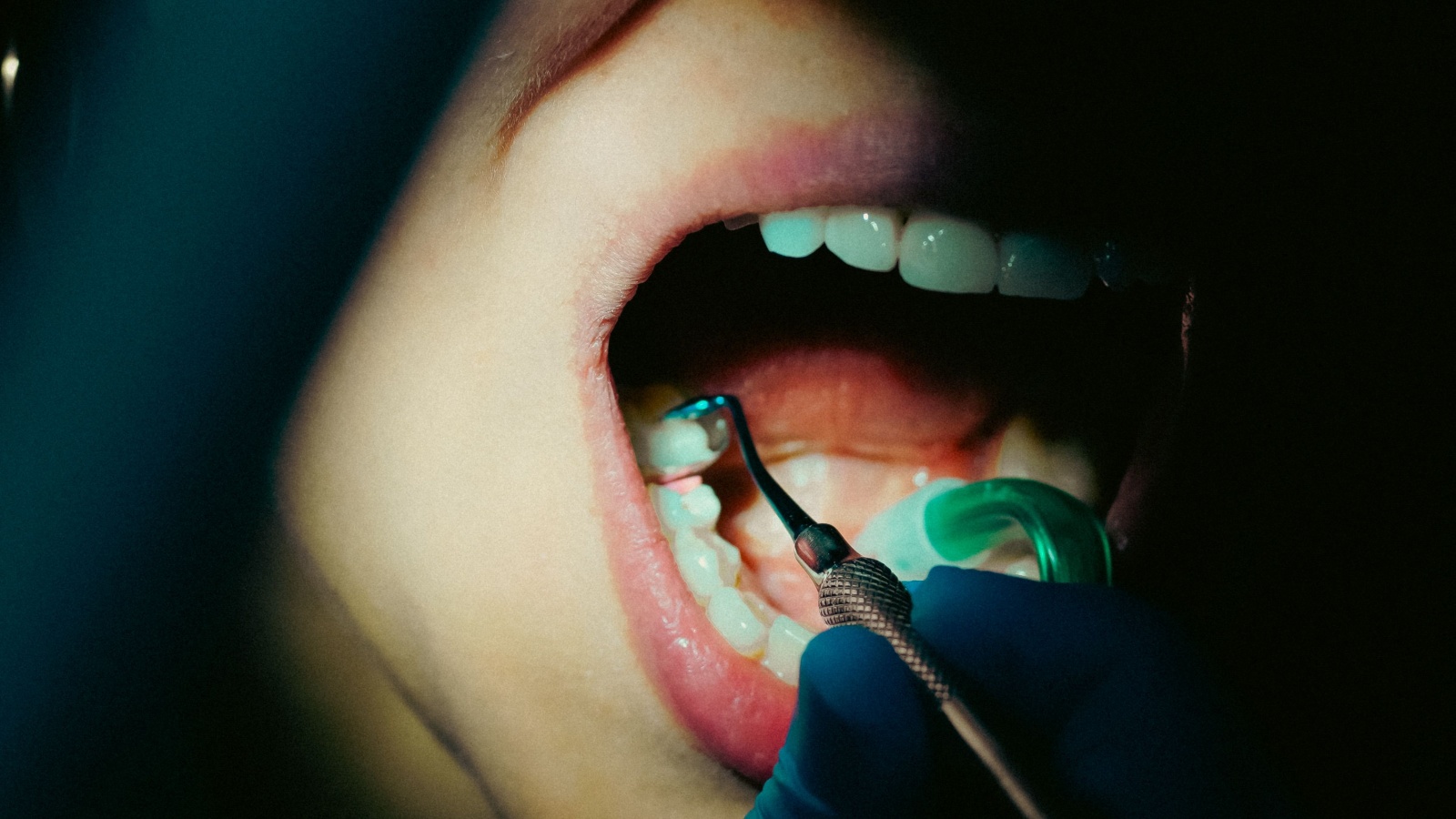
Imagine sitting in a dentist’s chair and getting a dental cap fitted over a damaged tooth, without knowing that the metal used to make it could have come from melted Rs 5 coins. It can compromise its fit and durability, irritate oral tissues and potentially trigger allergic reactions.
The Maharashtra government has finally taken note of complaints about unqualified technicians and questionable materials used in dental aids and issued guidelines to regulate dental laboratories, technicians, laboratories, manufacturers and suppliers. The November 6 government resolution also provides for compliance inspections by the Food and Drug Administration (FDA).
Medical Education Minister Hasan Mushrif said the move was intended to protect patients. “It is for the betterment of patients. They should get standardised material. Dentists also have to be careful and ensure that they provide patients with standard material,” he said.
More than 350 complaints received by the Medical Education Department since 2014 have raised concerns about unqualified people undertaking dental laboratory work and the use of inferior materials. This is largely because of a shortage of trained personnel. Maharashtra has around 66,000 registered dentists but only approximately 1,200 qualified dental technicians, according to the Director of Medical Education and Research, Dr Pallavi Saple. With so few qualified technicians and no clear monitoring framework for laboratories, untrained operators and unscrupulous practices have found room to operate.
Why aids from melted coins can affect your dental cavity
The concern over the alleged use of melted Rs 5 coins is not merely about the unconventional source of the metal but also its suitability for prolonged use inside the human mouth. A Rs 5 coin, under the prescribed composition, is made of nickel brass, comprising 75 per cent copper, 20 per cent zinc and 5 per cent nickel. While these metals may also be present in certain professionally manufactured dental alloys, currency coins are not designed or tested for dental use.
An unregulated alloy could have unpredictable properties, including poor corrosion resistance and inadequate strength. In the moist and chemically active environment of the mouth, corrosion can release metal ions into saliva and surrounding tissues. Depending on the composition and a patient’s sensitivity, this could potentially cause allergic reactions, inflammation and tissue irritation. An improperly manufactured crown could also fail prematurely or fit poorly, increasing the risk of decay in the underlying tooth.
Closing the regulatory gap
A dentist examines the patient, makes a diagnosis, decides the treatment plan and specifies the prosthetic required. A dental technician manufactures the crown, bridge, denture, artificial teeth or other appliance according to the dentist’s instructions.
Story continues below this ad
The guidelines seek to ensure that these roles do not overlap. A written or electronic prescription from a dentist will be mandatory for manufacturing crowns, bridges, dentures, artificial teeth, implant-supported prosthetics and orthodontic appliances. It must include the dentist’s name and registration number, the patient’s reference number, the device type, material, shade and other technical specifications.
Technicians cannot undertake diagnosis, treatment planning or clinical treatment, Mushrif said. The resolution also incorporates the National Dental Commission’s October 13, 2026, directions requiring laboratory services to be assigned to technicians with recognised dental qualifications and valid registration with a state dental council.
Manufacturers of dental medical devices covered under the Medical Devices Rules, 2017, must obtain the applicable manufacturing licence. Sellers and distributors must apply to the State Licensing Authority in Form MD-41 and obtain a registration certificate in Form MD-42. Importers must hold the prescribed import licence.
Saple said dentists must purchase materials only from licensed manufacturers, importers or registered sellers. They must maintain batch or lot numbers and supplier details in patients’ treatment records. “If a product is found defective or causes an adverse reaction, its source can be traced and the device recalled,” she said.
Story continues below this ad
Laboratories must maintain records of raw materials, prescriptions, manufacturing, quality checks, sterilisation, dispatches and complaints. Serious adverse events must be reported through the Indian Pharmacopoeia Commission’s Materiovigilance Programme of India and the FDA.
What will the FDA do?
FDA drug inspectors will vet dental laboratories, sellers and dental establishments and collect samples under the Drugs and Cosmetics Act, 1940, and Medical Devices Rules, 2017. Manufacturing or selling medical devices without the required licence, or dealing in spurious or adulterated products, can invite legal action.
An FDA official said the department already monitors the manufacture, sale and distribution of medical devices, including dental implants and bone cements. Manufacturers must obtain licences from the appropriate authority according to device risk classification: Categories A, B, C or D.
The guidelines seek to make every stage, from sourcing dental materials to fitting the finished product, more accountable.
KioskNews shows a cleaned-up reading view extracted from the publisher’s page — the original always lives on their site, not ours.