A hot October cost Mumbai’s lakes twice as much drinking water. Here’s how
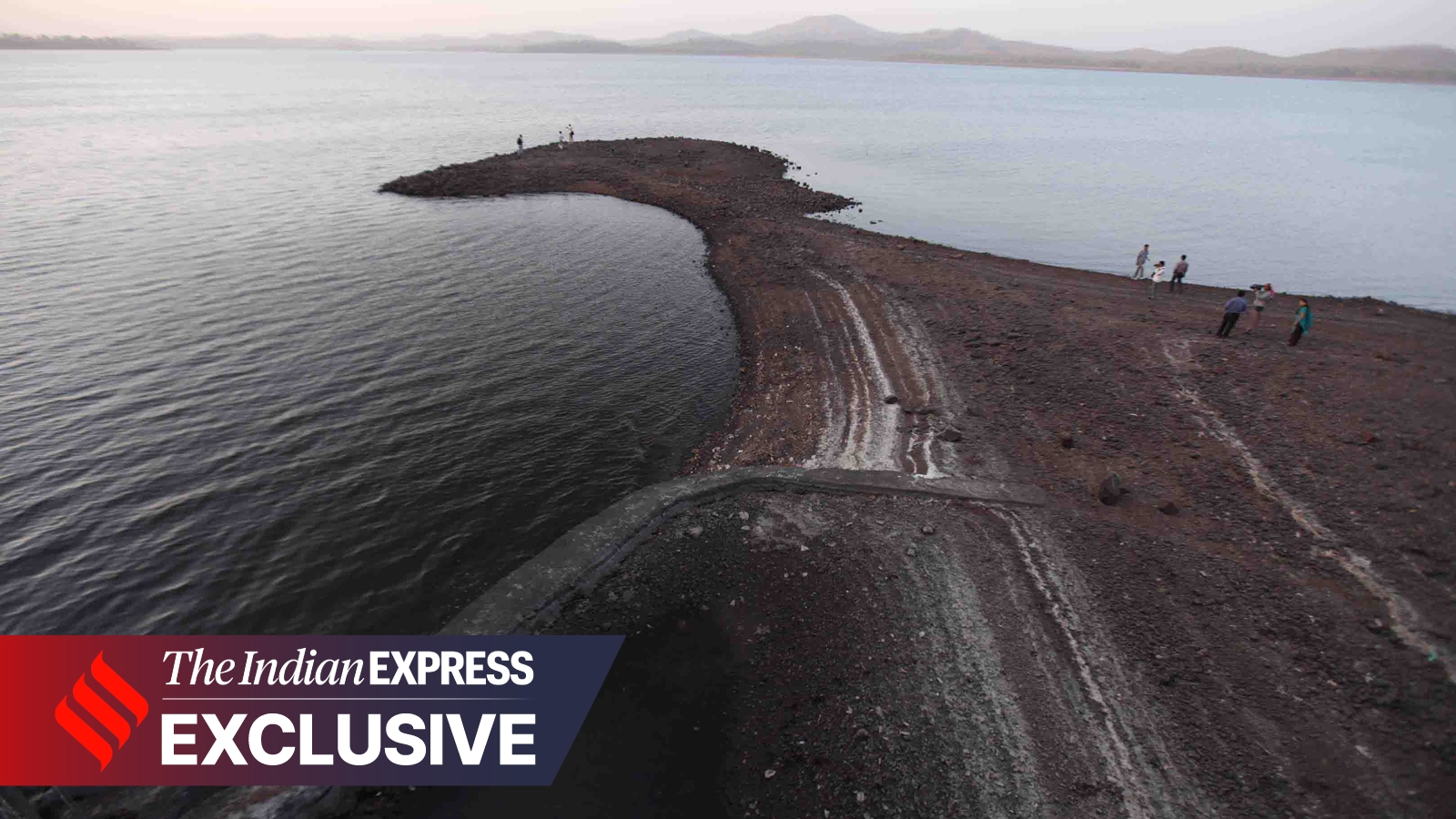
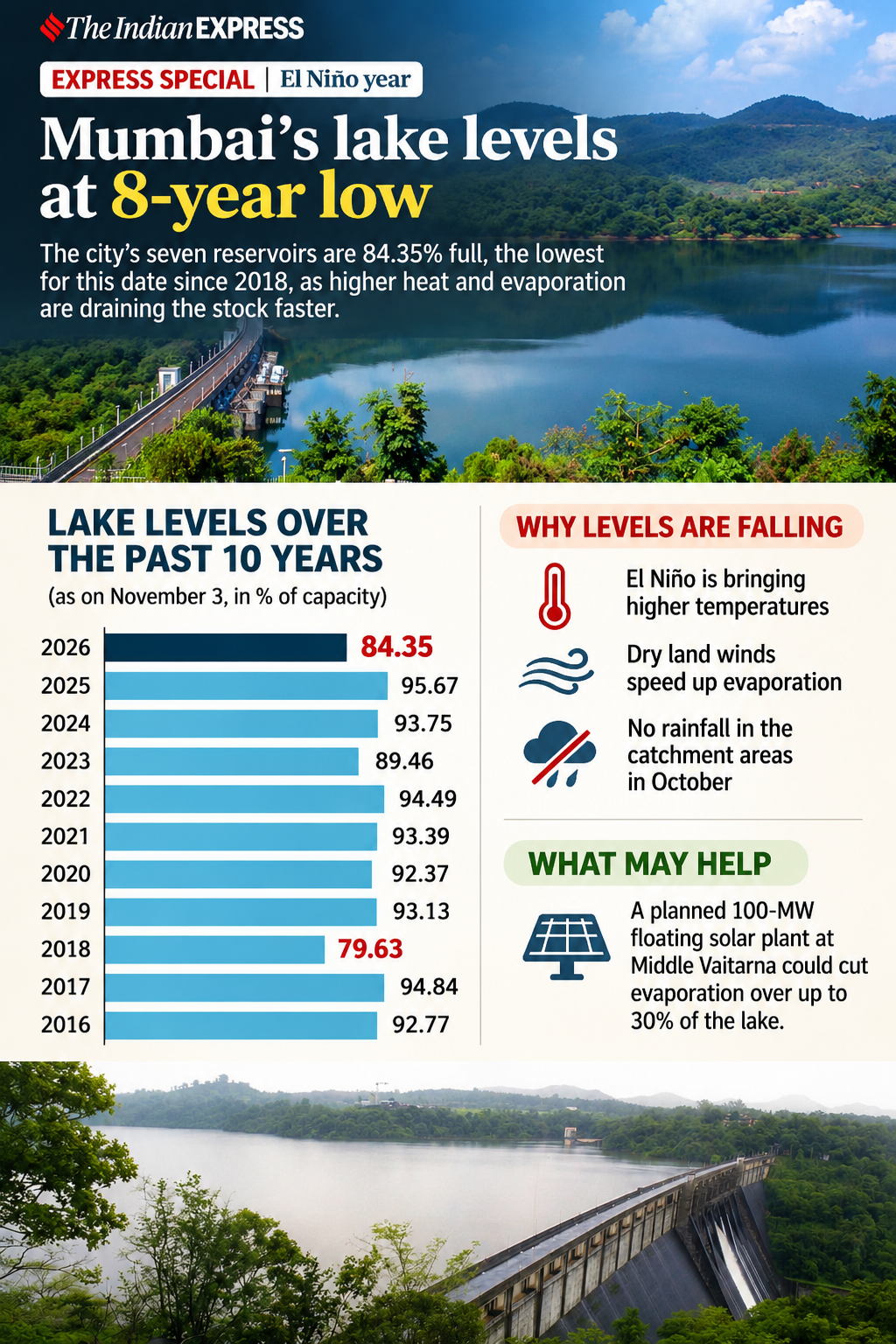
With summer still months away, Mumbai’s drinking water reserves are depleting faster than usual. As of November 3, the combined stock in the seven lakes that supply the city’s drinking water has dropped to 84.35 per cent of their capacity, the lowest for this date since 2018. A separate audit by the Brihanmumbai Municipal Corporation (BMC), covering three of the seven lakes, found that evaporation losses in October were roughly double those of last October, or more.
On the same date, the stock for all seven lakes stood at 95.67 per cent in 2025, 93.75 per cent in 2024 and 89.46 per cent in 2023. The last time it was lower than this year’s 84.35 per cent was in 2018, when the reservoirs held 79.63 per cent of their capacity.
The fall comes barely a month after the withdrawal of the southwest monsoon. On November 3, the seven reservoirs collectively held 12.20 lakh million litres. The three lakes the BMC audited specifically for evaporation were all well below last year’s levels. Modak Sagar was down to 50 per cent of its capacity, against 84 per cent on the same date last year. Tansa stood at 81 per cent, against 95.92 per cent, and Middle Vaitarna at 86.56 per cent, against 99.53 per cent.
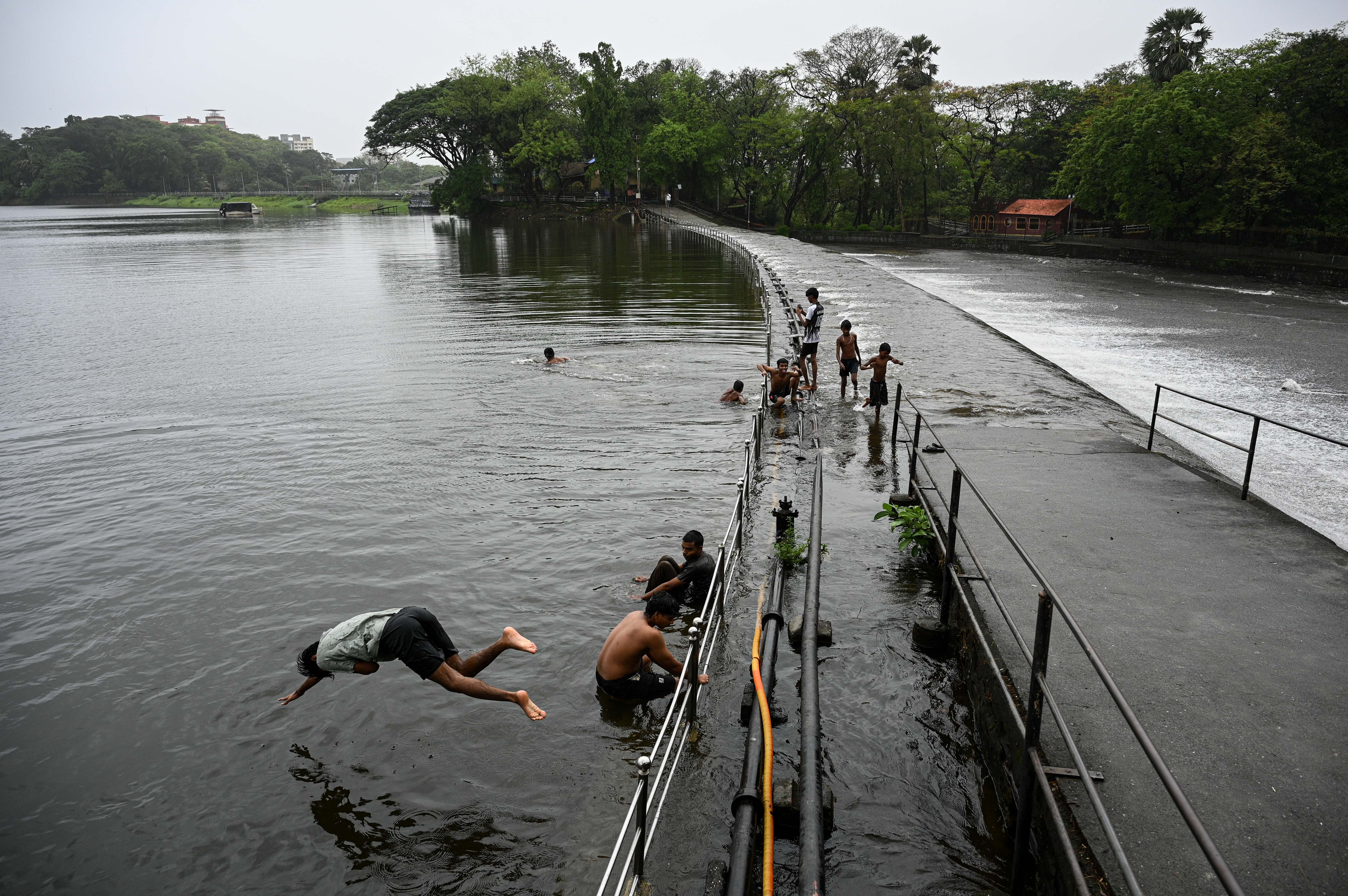 Vihar Lake (from Archive)
The evaporation audit was limited to these three lakes, Tansa, Modak Sagar and Middle Vaitarna, and to the month of October, civic officials said. It sampled water loss over one square metre and scaled that to each reservoir’s surface. No such estimate is available for the other four lakes.
At Tansa, estimated losses rose from 823.53 million litres in October 2025 to 1,729.01 million litres this October. At Modak Sagar, they rose from 644.84 million litres to 1,299.60 million litres, and at Middle Vaitarna from 381.34 million litres to 1,018.42 million litres.
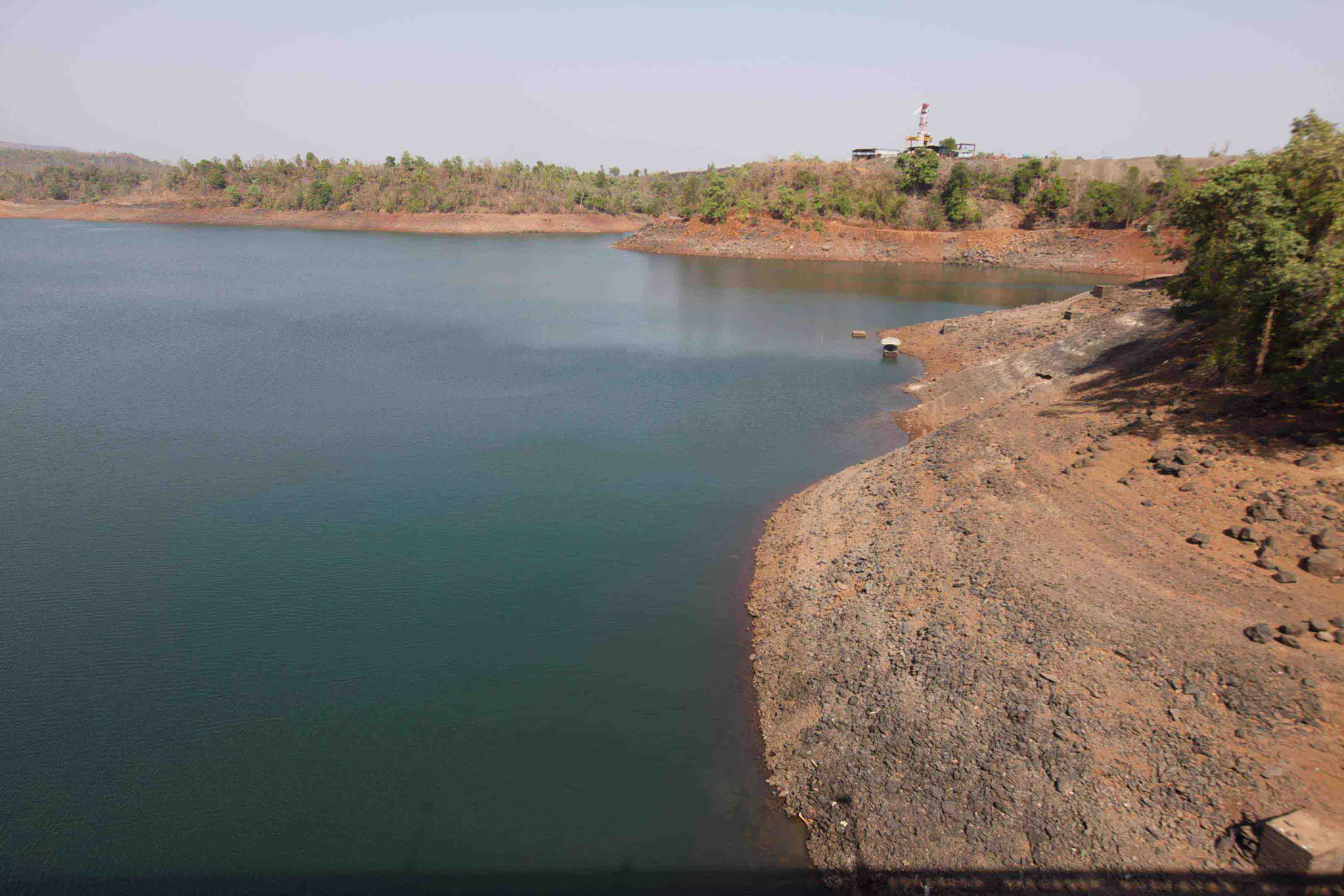 Modak Sagar lake (from Archive)
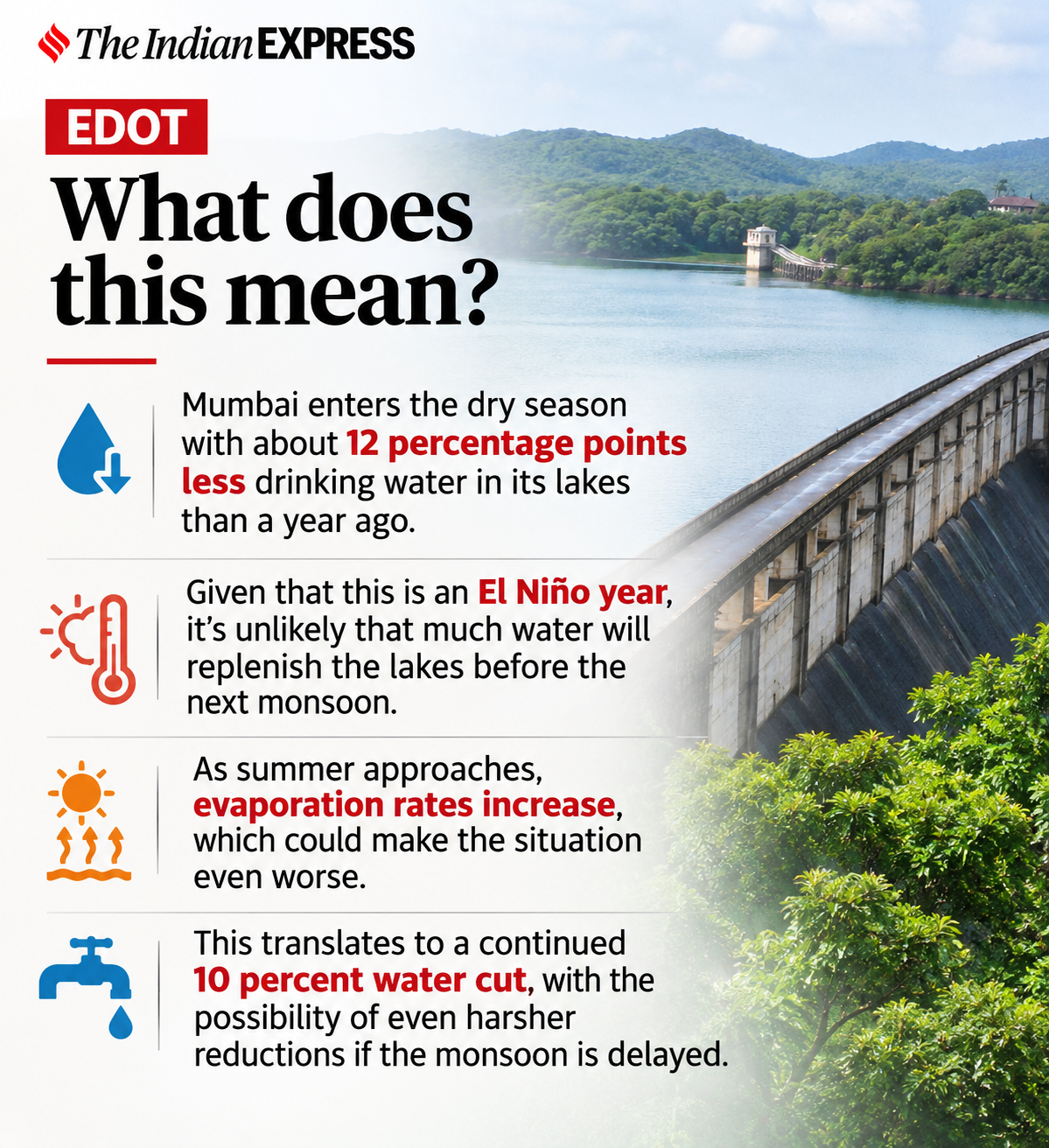
Additional Municipal Commissioner (Projects) Abhijit Bangar said the civic body had anticipated faster depletion in view of the El Niño conditions and the India Meteorological Department’s forecast. “The India Meteorological Department (IMD) had forecasted higher temperatures for October due to El Niño. Consequently, water depletion levels this month were significantly higher than in recent years. Measurements at three key locations confirmed that evaporation losses in October rose compared to the same period last year,” he told The Indian Express.
“Beyond the elevated evaporation rates, sporadic rainfall was recorded across the lake catchment area in October last year, which contributed a net addition to the water stock. In contrast, there was no rainfall during the same period this year,” he added.
Story continues below this ad
Heat, dry winds add to water loss
October brought spells of record heat. This came after insufficient rainfall during three of the four monsoon months – June, August and September – along with an early end to the monsoon season. Since there was no rain in the catchment area throughout October, the lakes received minimal replenishment, even as water was continuously drawn for the city.
Raghu Murtugudde, emeritus professor at the University of Maryland and visiting professor at IIT Kanpur’s Kotak School of Sustainability, said evaporation depends on wind speed, air temperature and the heat stored in the water.
“Evaporation depends on the winds and exponentially on temperature difference between water and the air, where one degree Celsius warming can evaporate up to seven per cent more. If a lake warms faster, the temperature difference decreases. In shallower lakes, water can evaporate faster. The atmospheric temperature and the heat contained in lakes can together decide how fast evaporation is happening,” he said.
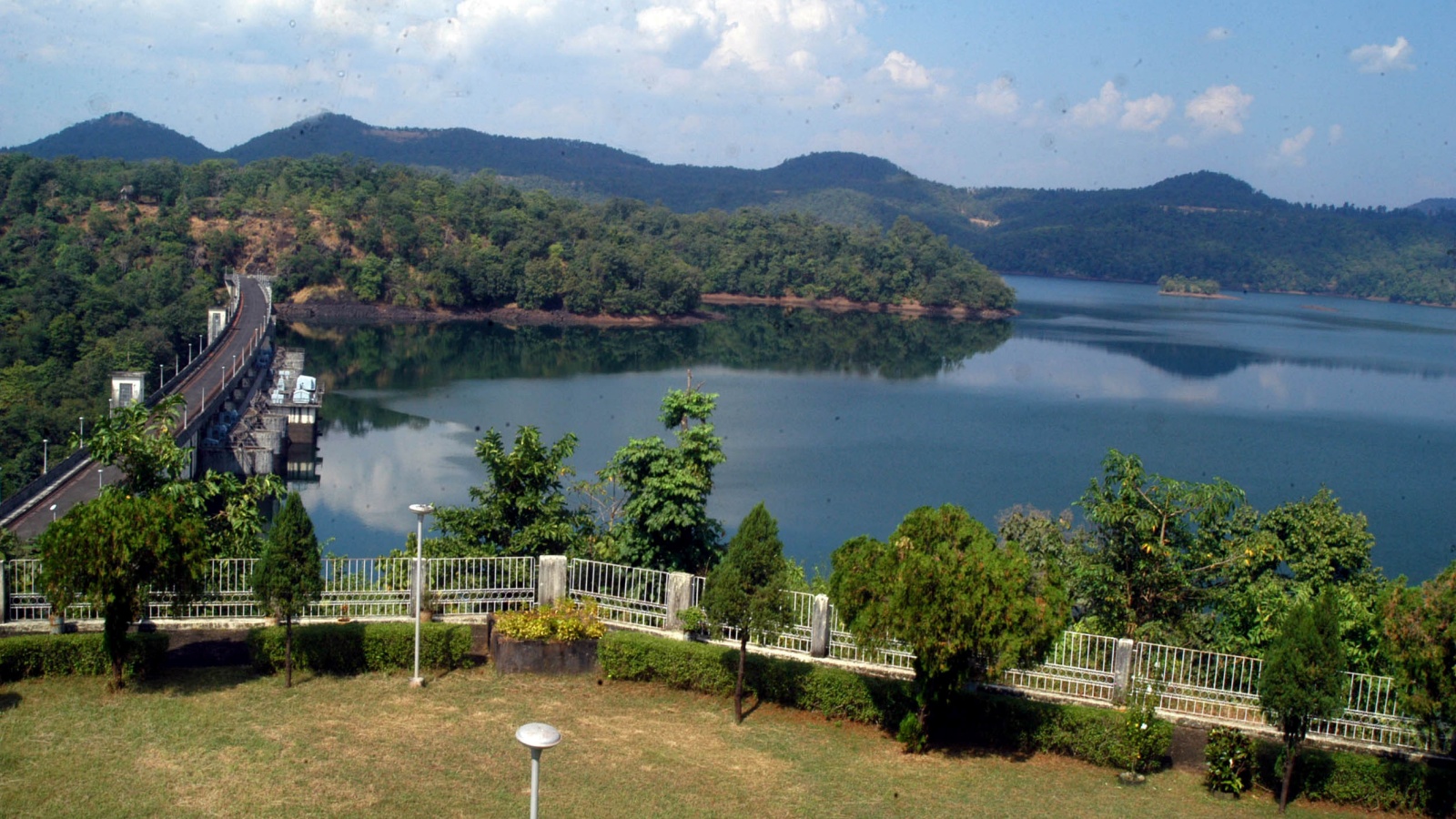 Tansa Lake (Express photo)
Dry land winds add to it, he said. “When the air is coming in from the land, it is dry and more thirsty, thereby picking up more moisture. The warmer the air, the more water vapour it can hold. Ultimately, the warm air flow can accelerate evaporation. And now, for the past few days, dry winds are blowing strongly from the north-east direction.”
Story continues below this ad
Tuhin Banerji, environmental expert and former scientist at the National Environmental Engineering Research Institute (NEERI), said the timing of the withdrawal and the few rainy days had also hit reservoir levels.
“Even though the lakes filled to capacity, the excess rainfall recorded over the dams kept on overflowing. Furthermore, while the water from lakes was drawn and treated for consumption throughout the monsoon season, fewer rainy days meant that the lake levels were not getting filled back up again fast enough,” he said.
When the monsoon’s withdrawal was declared on October 3, the lakes stood at 96 per cent, against 99 per cent on the same date in 2025 and 2024.
Floating solar plant may help curb evaporation
The BMC is not considering floating covers to stop evaporation, but a planned 100-MW floating solar plant at Middle Vaitarna could help.
Story continues below this ad
“We are planning to develop a 100-megawatt (MW) floating solar photovoltaic (FSPV) plant at Middle Vaitarna Dam, which is aimed at generating renewable energy. However, this project will cover a portion of the lake and indirectly curb evaporation of water in up to 30 per cent of the surface area. Completely covering a lake can be detrimental to the water quality and organisms. But such initiatives can prevent water loss to a significant level,” Bangar said.
Work is likely to begin soon, after forest clearances came through last month, officials said. The BMC is also considering similar projects at Modak Sagar and Tansa.
Mumbai draws around 4,100 million litres a day from seven reservoirs: Upper Vaitarna, Modak Sagar, Tansa, Middle Vaitarna, Bhatsa, Vihar and Tulsi. Anticipating further losses to heat and evaporation, the BMC will continue its 10 per cent water cut across the city.
KioskNews shows a cleaned-up reading view extracted from the publisher’s page — the original always lives on their site, not ours.