India’s tech talent meets Singapore’s capital: match made in AI heaven?
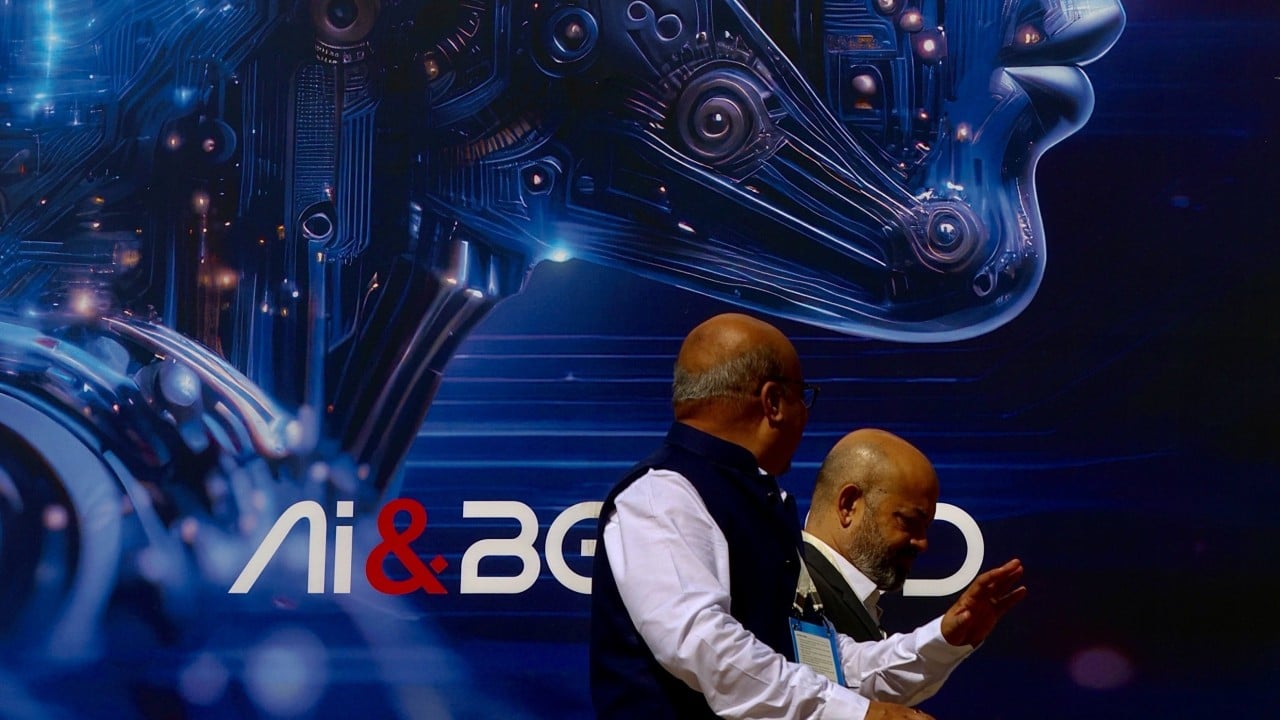
India may struggle to catch up with the US and China in the race to develop cutting-edge artificial intelligence, but analysts say its growing partnership with Singapore could offer it another path to becoming a major AI player.
By combining India’s vast software talent pool and domestic market with Singapore’s capital and hardware ecosystem, the two could develop a model for building and exporting AI technology to rival industry leaders.
One sign of the deepening cooperation came in June, when India’s Tata Communications launched a project to build a subsea cable connecting tech hubs Mumbai and Chennai with Singapore, aimed at meeting the growing AI needs of enterprises across Asia.
“We are strengthening the reliability, scalability and performance of connectivity solutions for our customers across one of the world’s busiest digital corridors,” said Genius Wong, Tata Communication’s chief technology officer.
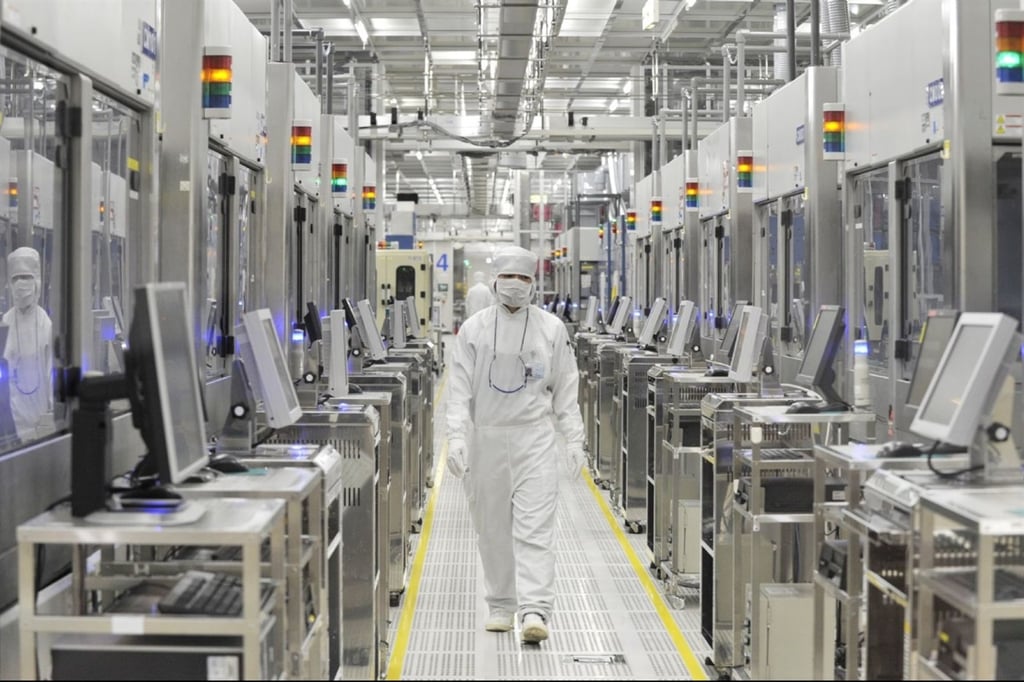
Despite its software prowess and engineering talent, India currently lacks the computing infrastructure and investment needed to turn its AI ambitions into globally competitive businesses.
“India generates nearly one-fifth of the world’s data and possesses a phenomenal engineering talent pool, but raw talent needs infrastructure to thrive,” said Anndy Lian, a Singapore-based adviser to governments on blockchain and information technology.
“Singapore offers exactly what India requires to monetise this human capital” – such as advanced capital markets, robust regulatory frameworks and global connectivity.
Two years ago, New Delhi launched a US$1.25 billion “IndiaAI Mission” to nurture start-ups and build infrastructure, including establishing three AI education centres focused on research.
Indian talent can plug into Singapore’s digital economy ecosystem to build and export AI solutions on a global scale, Lian said. Already, Singapore has been drawing top AI and tech talent from India, contributing to a significant cross-border talent flow.
India, which has been widely credited with successfully rolling out digital platforms for public services, aims to use them to scale up AI businesses. These efforts are being recognised in Southeast Asia.
The country is expected to play a major role in an AI push by Singaporean state-owned multinational investment firm Temasek, according to Ravi Lambah, Temasek’s India head. “AI is an interesting play for us globally. In India specifically, we see the opportunity at the application layer where India is likely to see competitive advantages … India has got this huge talent pool and the whole services ecosystem.”
Education potential
Jenny Zheng, president of Redecentralise, a South Korean not-for-profit organisation, said the synergy between the two countries was creating “a direct pipeline from Singaporean boardrooms to Indian tech parks”.
The benefits of an India-Singapore collaboration in AI extended well beyond business, she said. “We also see deep academic and corporate ties, like IIT [Indian Institute of Technology] Madras partnering with Singapore’s NUS [National University of Singapore] to build joint AI research labs.”
Singaporean exchanges and Indian tech giants also often collaborated to build cross-border payment rails, she added.
02:11
Indian leaders want nation to power the AI age, but some residents are pushing back
As India’s tech and IT sectors shift from a traditional engineer-hour outsourcing model towards AI-driven and value-based enterprises, Indian start-ups could use Singapore as a platform to train and upskill their talent for global AI products, according to Zheng.
“Essentially, Singapore acts as the premium packaging and distribution hub. Indian talent learns to build AI products that meet global regulatory standards, transforming them from back-end coders into high-value global tech founders and asset creators,” she said.
However, the potential opportunities face barriers such as fragmented data and AI regulations, she said, adding that India’s strict data localisation laws could clash with Singapore’s model. India enforces sector-specific data localisation rules, although it does not require general personal data to stay in the country.
Another hurdle is talent mobility – as visa friction prevents the free movement of engineers needed for hands-on collaboration. Both governments needed a “bilateral AI data bridge agreement” to help data sharing for research as well as fast track “special tech visas”, she said.
Southeast Asian expansion
Zheng also saw potential for the cooperation to expand beyond Singapore into Southeast Asian countries such as Indonesia, where India is already exporting and sharing its digital public infrastructure, and Vietnam, which has been rapidly growing in hardware manufacturing. Malaysia is also positioning itself as a regional data centre hub.
An Asean-India Action Plan for 2026-2030 prioritises AI and semiconductors. In January, an Asean-India Digital Ministers’ pledged to deepen cooperation and reaffirmed their shared commitment to developing the digital domain.
Melody Chan, general partner at investment fund Arkroots, said the meeting endorsed practical AI cooperation on capacity building, standards and case studies. India-Malaysia round tables are currently exploring start-up and talent collaboration, and Indian universities are seeking partners in Vietnam for AI and quantum computing, according to Chan.
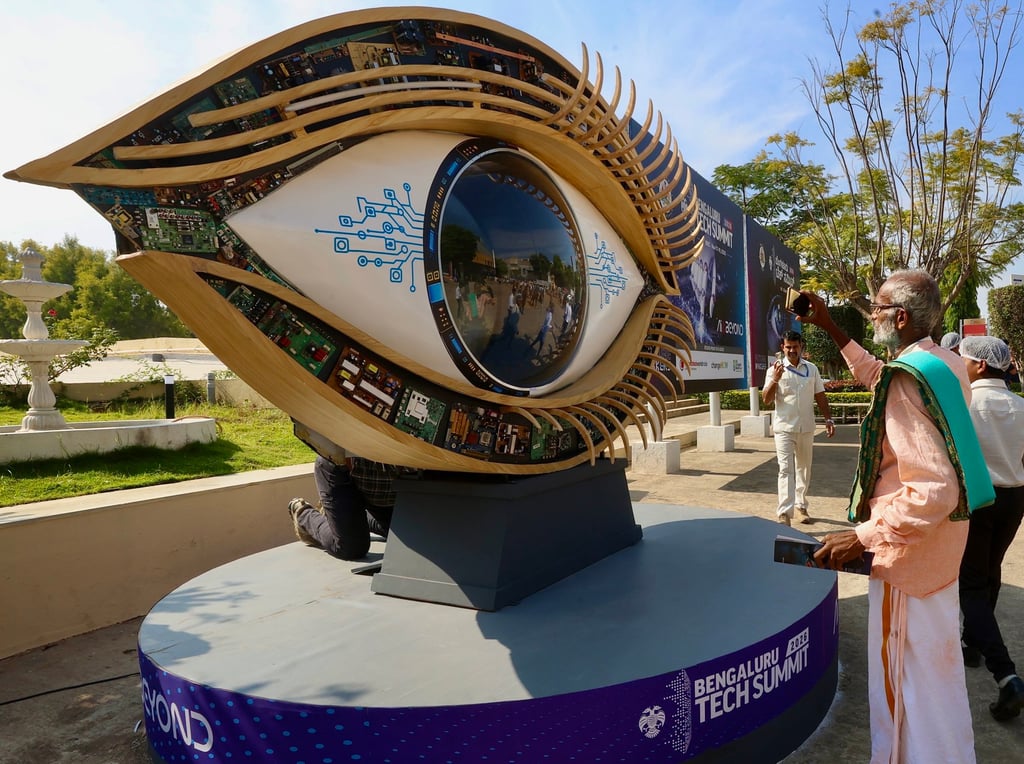
Raj Kapoor, chairman of India Blockchain Alliance, said that even though India ranked second globally with a strong pool of authors and inventors, the country faced a significant problem of brain drain as researchers and founders moved to the US for capital and customers.
To ensure that its talent stays at home, India needs capital – and this is where Singapore comes in. The city state consistently ranks as the biggest source of foreign direct investment equity capital for India.
“The next step is to direct a share of that capital into Indian AI venture and growth funds, rather than mainly into property and infrastructure. That will change the dynamics,” Kapoor said.
Singapore has another role to play too, according to Kapoor. “Singapore can also serve as a trusted test bed for Indian products headed abroad. A product that has been proven in Singapore is easier to sell to global banks, health systems and governments.”
KioskNews shows a cleaned-up reading view extracted from the publisher’s page — the original always lives on their site, not ours.