Trump’s Israel aid cut reveals push to trade grants for tech cooperation
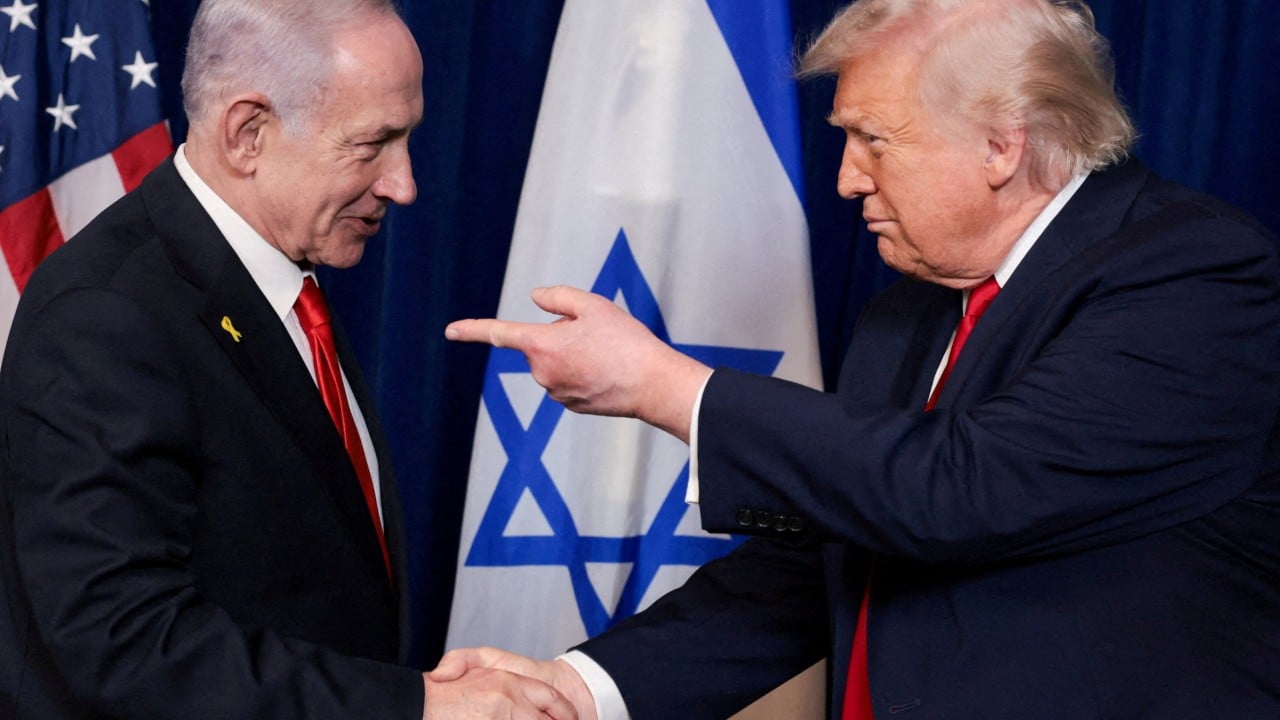
The close defence relationship between the United States and Israel is set to be restructured over the coming two years, with billions of dollars in direct annual military aid being phased out in favour of joint weapons technology programmes.
US President Donald Trump shocked Israelis and Americans alike on Tuesday by suddenly announcing that the roughly US$4 billion a year in direct military funding received by Israel would be cut off by the end of the year.
Speaking to Fox News on the morning of the US midterm elections, Trump claimed “They [Israel] don’t need it”, adding that he had “reached an agreement” with Israeli Prime Minister Benjamin Netanyahu.
Netanyahu has been talking about shifting the focus of US-Israel defence ties from aid to cooperation since the 12-day war with Iran in June 2025. But those discussions have taken place within the framework of negotiations for a new 10-year memorandum of understanding (MOU) to replace the existing agreement, which expires in September 2028.
The White House has yet to clarify exactly what Trump meant, but observers note that congressional funding for Israel under the current MOU cannot simply be cut overnight. Direct US military aid is overseen by the State Department, with allocations under the Foreign Assistance Act subject to statutory human-rights vetting under the Leahy Laws alongside congressional oversight. Under the US Constitution, the president lacks the unilateral authority to cancel congressionally appropriated MOU funds.
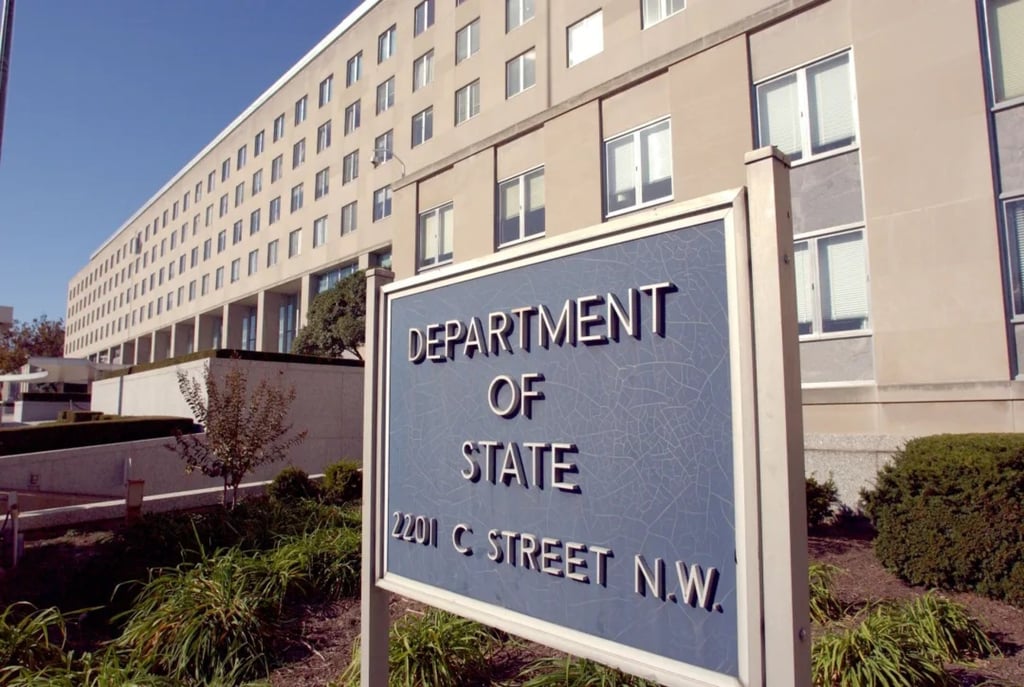
Instead, analysts suggested Trump’s comments reflect domestic political pressure, with the president viewing aid to Israel as a political liability seized upon by the Democrats, who won majorities in both the Senate and House of Representatives in Tuesday’s vote.
Under the National Defence Authorisation Act (NDAA) for the next financial year, currently before the Senate, direct security assistance could be “replaced with deeper cooperation and likely even more money than the US currently sends to Israel”, according to Annelle Sheline, a former US State Department official and now a Middle East research fellow at the Quincy Institute for Responsible Statecraft in Washington.
Funding under the NDAA would be channelled through the Pentagon, which classifies these programmes as “cooperation” rather than foreign aid. In practice, this shifts funding away from the stricter human-rights vetting and conditions attached to the State Department’s budget, analysts said.
Rather than aid being cut off, “it is just a restructuring, intended to shield the billions of dollars the US sends to Israel each year from the collapse in American public support for Israel”, Sheline said.
On the other hand, Nir Boms, a research fellow at the Moshe Dayan Centre at Tel Aviv University, said that shifting American public opinion together with Trump’s restructuring could signal “a new model of relations by which US support given to Israel might be more limited”.
While aid could be partially replaced by deeper defence-industrial cooperation, Boms questioned whether its scope would match the current MOU. “The US seeks to cut defence spending, and foreign defence aid is an easy target,” he said.
Such a shift could complicate Israel’s long-term procurement plans. The Israeli military has already budgeted tens of billions of dollars to purchase American hardware over the decade following the 2028 expiration of the current MOU, including additional F-35, F-16 and F-15 fighter jets.
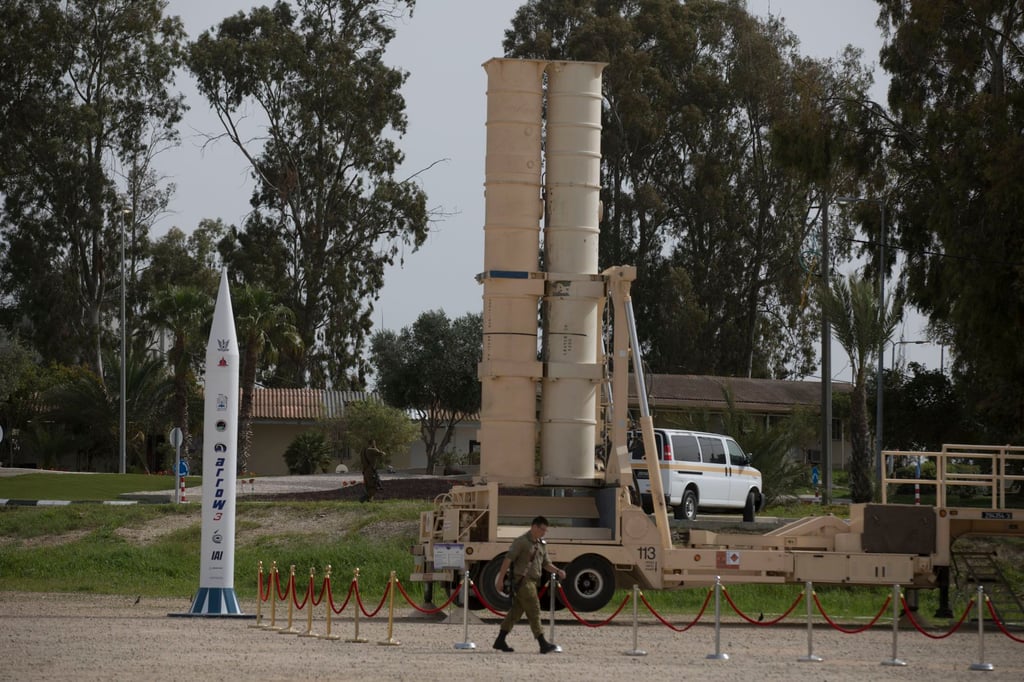
The draft 2027 NDAA earmarks US$750 million for Israel, including US$500 million for joint missile defence systems, US$100 million for counter-drone systems, US$100 million for subterranean operations and US$50 million for emerging technologies.
More importantly, the legislation would also set up US-Israel defence technology programmes for joint research and production of drones, air defence systems and artificial intelligence, overseen by an executive with the authority to overrule other top Pentagon officials. The US defence secretary would also be required to consult closely with their Israeli counterparts on operational requirements.
Analysts warn this level of integration would give Israel unprecedented access to US military research not even granted to certain Nato allies and Five Eyes intelligence partners.
“In the likely event that these provisions of the NDAA become law, this will severely curtail congressional oversight and US leverage over Israel,” Sheline said.
At the same time, traditional foreign military aid overseen by the State Department faces mounting pressure, according to Dave Des Roches, a former Pentagon official and non-resident senior fellow at the Gulf International Forum think tank.
Des Roches said future funding would depend heavily on the internal balance of power within the incoming Democratic congressional majority – pitting progressives like senator-elect Abdul El-Sayed against traditional pro-Israel figures led by Chuck Schumer.
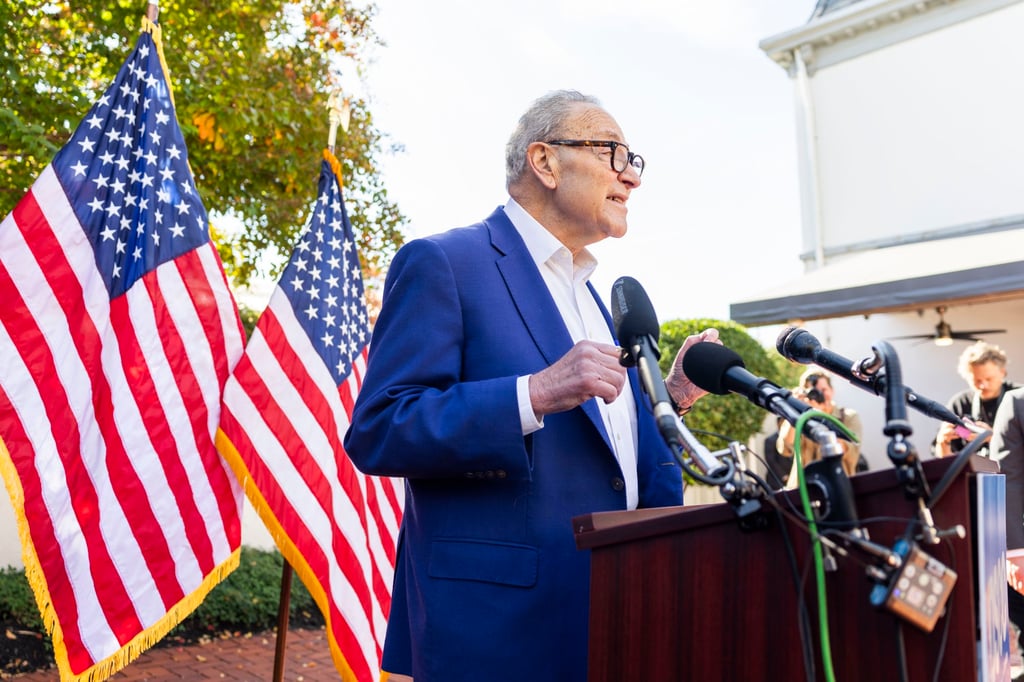
“Aid to Israel is going to be a key friction point,” Des Roches said.
Anticipating legislative gridlock when the new Congress convenes in January, the outgoing Republican majorities are expected to push the NDAA through before the end of the year.
“The rump Congress – the people who have been voted out of power but still remain in Congress – is going to approve it,” Des Roches said, predicting a push to enact key defence provisions before power shifts.
Sheline noted that the armed services committees in both chambers had strong incentives to keep the NDAA moving. “Allowing it not to pass would demonstrate that the military can continue to function even without a new NDAA, which would undermine the influence of these committees,” she said.
KioskNews shows a cleaned-up reading view extracted from the publisher’s page — the original always lives on their site, not ours.