I built a reputation as a ‘walker’ so I could cheat when it mattered most – and it worked | The Secret Cricket Coach

I once played in a one-day semi-final. We were in a very tight spot when I edged the ball to the keeper. I didn’t walk. The opposition couldn’t believe it. They crowded around me, furious, and I was getting plenty of abuse.
I managed to get a single and when I reached the other end the umpire said: “You didn’t nick that did you? You are a walker.” “Yep, that’s right,” I replied.
Then I carried on. We won the game. That was the end of it. This moment had been carefully created through deception. You could call it cheating. Over time, I had consciously built a reputation for walking when it was a thick edge, knowing there would be a moment I could use this later on. The umpires had seen me do it. So when a close call came along, that reputation gave me room to take a liberty. That was the level of thought I had put into it.
Later, I was talking to someone in the sport about cheating. He asked me to rate myself from zero to 10: zero meant never cheat, 10 meant cheat at every viable moment. I think I said three.
He told me he found that strange. I was someone who wanted to be the best at everything I did, but when it came to cheating I was only three out of 10. Surely there were only two answers, he said: zero or 10. How can you justify anything in between? From then on, I became a 10.
I’m not proud of that. I’m not saying it is how I would choose to behave if I could go back. But when you play in environments where winning is everything, you make choices. You find ways to gain an advantage, and you learn which ones the game will tolerate.
That is why the recent furore around Australia has made me think about the contradictions in cricket. If a batter edges the ball and doesn’t walk, people often say it is the umpire’s job to decide. The batter has done nothing against the laws. The decision belongs to the umpire. But if a bowler or fielder tries to make the ball move more, or claim a catch, the reaction can be absolute outrage. Yes, altering the ball is not allowed, but it raises a question about how we talk about honesty and advantage.
I remember players – yes, multiple – who were geniuses at scratching the ball in their run and disguising it to look like natural damage. If the ball went over the boundary and landed on concrete, it might come back scuffed or it might not, but get it to said player and he would make sure it was. This is a deliberate practice by those who want to gain an advantage.
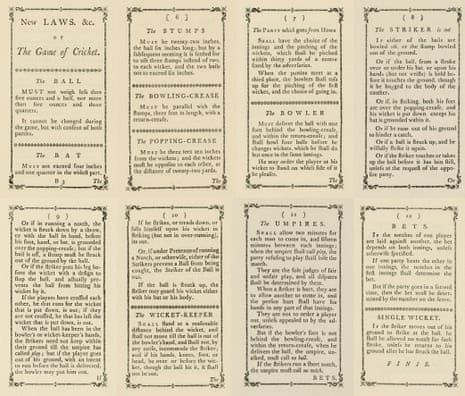
This is not new. Cricket has always had people looking for an edge. Some methods are celebrated as clever, others are treated as an offence against the game itself. Take the Mankad. The laws allow the bowler to run out a non-striker who leaves the crease early. The batter has gained an advantage by leaving before the ball is released; the bowler has the legal right to act. Yet when it happens, the anger can be extraordinary. The MCC is the guardian of the laws and the spirit of cricket. If the method were unacceptable, the law could be changed, but they haven’t – so why is it so emotive?
We have bigger bats, shorter boundaries and flat pitches. Batters are encouraged to hit the ball harder and further, while bowlers are often left looking for ways to make the contest more even. Why, then, is trying to make the ball more receptive to movement treated as beyond the pale?
There are performance dangers to doing it, and most professional cricketers know this. If you do pick at the ball there is the risk it gets soft and thus it becomes harder to take wickets. There is a period of 10-15 overs where we need to make it count. Otherwise you might be chasing leather. Is this not a skill?
after newsletter promotion
When the lights come on and the pink ball goes round corners it is seen as a fascinating ebb and flow. Yet tamper with the ball – castigation. I am not advocating going against the laws, but why do we need this law when the game is crying out for more balance between bat and ball?
I do think we need to be more honest about the culture of the game. There are a lot of weird contradictions. Players are constantly testing the boundaries, what the laws allow, what the umpire can see, what opponents will accept and what the culture says is fair.
My reputation as a walker in a crucial moment deceived the umpire. It was calculated and planned over months and I knew it was dishonest. I did it because I thought it might help us win. Accepted.
Perhaps that is the uncomfortable truth at the heart of all this. Cricket is full of contradictions about what is right and wrong and the line between the two seems to move depending on who is drawing it. We condemn some acts as cheating, while finding reasons to excuse others as instinct, gamesmanship or simply part of the contest.
The same contradictions run through society. We are quick to judge behaviour when it offends us, but more generous when it suits us or serves our interests. Maybe that is human nature. We call some advantages gamesmanship and others cheating. Often the difference is simply which ones we have decided to accept.
KioskNews shows a cleaned-up reading view extracted from the publisher’s page — the original always lives on their site, not ours.