The Movie Quentin Tarantino Called "One of the Great Westerns" Is Officially Streaming Uncut

Erik Hawkins is an award-winning writer and editor who's been obsessed with cinema since he was old enough to hold Roger Ebert's Video Home Companion in his hands. He lives in NYC, where he rabidly watches everything from the newest releases to the more odd and obscure, and regularly shares his thoughts on Letterboxd. From ghost-writing fiction and webisodes in South America to local news, trial coverage, and politics in NYC, he's rarely put down his laptop over the past 15 years.
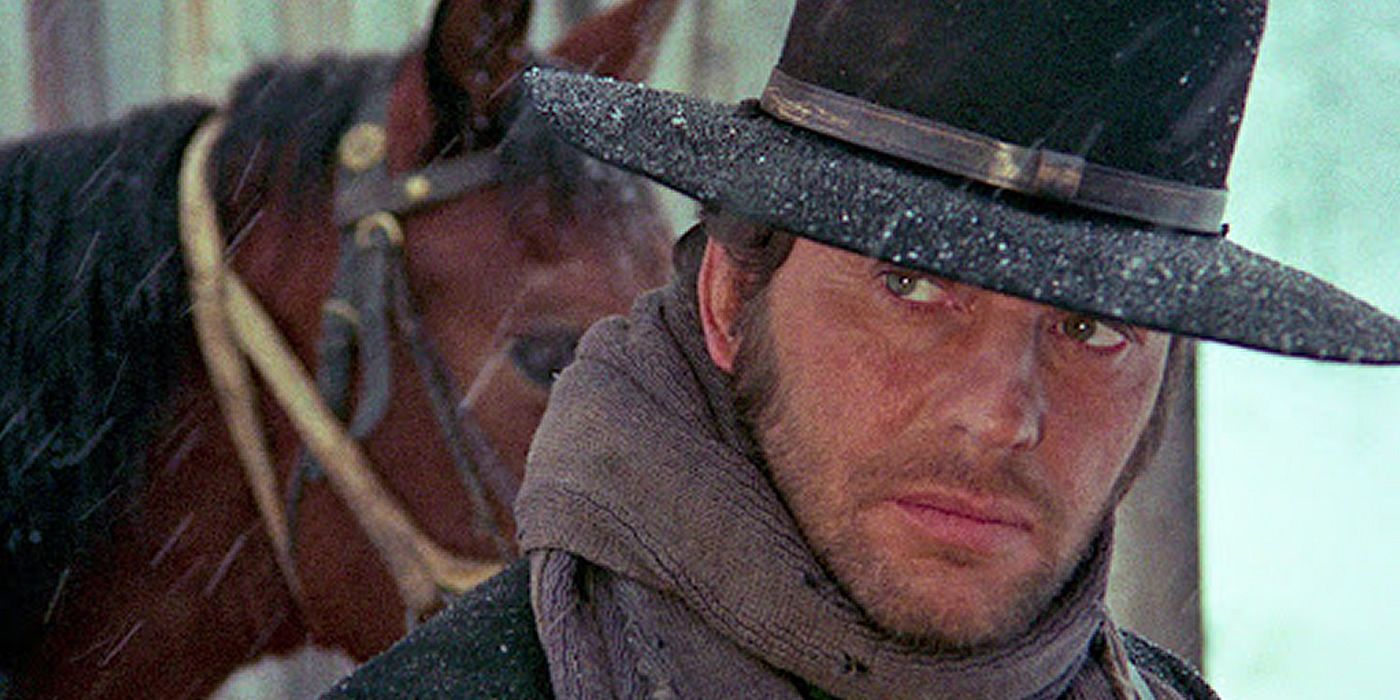
Aside from Sergio Leone himself, few knew the spaghetti Western genre in their bones like Sergio Corbucci. Director of the original Django, which spawned a lengthy franchise and served as inspiration for Quentin Tarantino, Corbucci also helmed Burt Reynolds' Navajo Joe and the blackly comedic The Mercenary, and his sardonic, bullet-riddled style rarely flagged. But Corbucci's undisputed masterpiece is 1968's The Great Silence. Full of breathtaking snowy photography shot in the alpine regions of Italy and an equally breathtaking Ennio Morricone score, and laden with hard-eyed violence, this film would also prove irresistible to Tarantino, who called it "my favorite snow Western, one of the great nihilistic spaghetti Westerns, done by one of my favorite directors" — and borrowed heavily from its imagery for The Hateful Eight.
For decades, though, American audiences were unable to experience Corbucci's vision, as stateside studio heads here were reportedly horrified by the film's violence and grim ending. It took until 2001 for a DVD release to reach the U.S., but even that was marred by a poor transfer. Finally, in 2018, Film Movement released a gorgeous 2K version of the film to Blu-Ray and DVD, and that transfer is now finally available to stream in its pristine, uncut glory on MUBI.
Tarantino Was Enamored By The Grim, Snowy Beauty of 'The Great Silence'

While a number of Westerns have taken place (at least partially) in snowy environments, nothing out there looks like The Great Silence. Corbucci's command of space, color, and tone make his standard widescreen compositions of the snowy landscape look titanic and terrifying, with his tiny, bundled gunmen struggling against the elements in an ocean of white. The almost literally black-and-white look also lends an irony to the film's morality, which is markedly more complex and nakedly political than that of your average spaghetti Western.
Watching any outdoor scene in Tarantino's The Hateful Eight, it's impossible to ignore the visual and tonal cues he took from Corbucci. In a 2016 video essay, Little White Lies writer Adam Cook noted individual shots that are virtual mirrors of each other in the two films — a list that includes not only outdoor shots, but those of characters bouncing along inside of stagecoaches.
While The Hateful Eight is an overall more cynical enterprise than The Great Silence, and more full of backstabbing than historical myth-making, between its setting, individual shots, and Ennio Morricone score (Tarantino reused many an old Morricone cue throughout his career), it's homage bordering on theft — in the best way.
'The Great Silence' Is Despairing and Unabashedly Political
The finale of The Great Silence is notorious even among spaghetti Westerns (not known for their feel-good endings) and may be one of the all-time downer finales in genre film in general. After the film's mute protagonist is goaded into a rigged duel and gunned down, and the group he set out to protect is also massacred, The Great Silence ends with its villains, led by a terrifying Klaus Kinski, literally riding off into the sunrise. This was no accident, and Corbucci was clear about his intentions: The bankers and capitalists, with their monopoly on violence, were holding more cards than society's revolutionaries.
A committed leftist whose Westerns were often themed around revolutionaries versus imperialist forces, Corbucci made The Great Silence at a time when liberation movements were being put down — violently — across the West, and just as the Years of Lead unofficially began in Italy. In a special feature included with the film's initial U.S. DVD release, Alex Cox (who also directed the brilliant anti-imperialist Western Walker) said that Corbucci was consumed by the assassinations of Malcolm X and Che Guevara, and had them in mind when crafting the devastating climax. Cox added that Corbucci's widow put it succinctly: "For the radical, for the revolutionary, both deaths were terrible news. You could only take on the powerful and the wicked for a short while, it seemed, before they crushed you."
While it's a much more primal and devastating film than Tarantino's blackly comic pastiche, The Great Silence is one of the great Westerns, and it has never looked or sounded better.
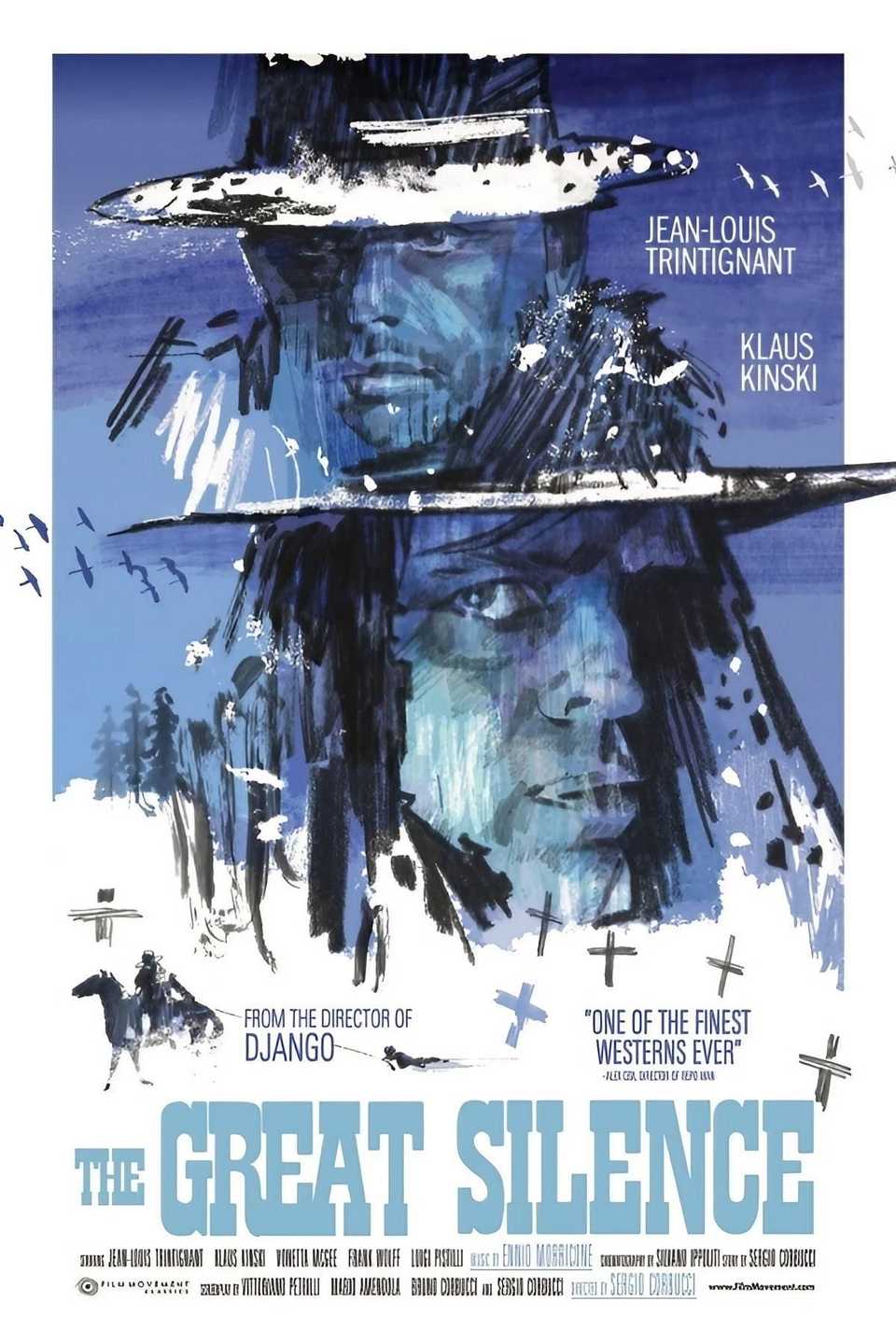
The Great Silence is streaming on Mubi.
- Release Date
- January 27, 1969
- Runtime
- 105 Minutes
- Director
- Sergio Corbucci
- Writers
- Sergio Corbucci, Vittoriano Petrilli, Mario Amendola, Bruno Corbucci, John Davis Hart, Lewis E. Ciannelli
-

Jean-Louis Trintignant
-
Klaus Kinski
-
Frank Wolff
-
Luigi Pistilli
KioskNews shows a cleaned-up reading view extracted from the publisher’s page — the original always lives on their site, not ours.