Air Force bombs entrances to underground Hezbollah missile site in east Lebanon — IDF
The Israeli Air Force carried out strikes on Thursday evening in eastern Lebanon’s Beqaa Valley, targeting an underground Hezbollah site used by the terror group for the production of missiles and the storage of weapons, the military said.
It marked the second Israeli strike in the Beqaa Valley within days, after the military on Monday said the IAF had struck a weapons shipment from Syria that was destined for Hezbollah in Lebanon. That strike marked the first in eastern Lebanon in several months.
The subterranean missile manufacturing site, located near the eastern Lebanon town of Janta, has been struck by the Israel Defense Forces numerous times before.
0:00 / 0:00
Promoted: Jewish Crossroads, Micah Goodman

The military said that it recently identified Hezbollah operatives arriving at the missile site and, therefore, on Thursday, struck the entrances “to prevent its rehabilitation.”
Lebanese media reported several strikes in the area. There were no immediate reports of casualties.
Get The Times of Israel's Daily Edition by email and never miss our top stories
By signing up, you agree to the terms
“The Hezbollah terror organization continues to exploit various areas in Lebanon for terror activity, weapons smuggling, and the movement of terrorists, in violation of the ceasefire agreement signed with Lebanon and to harm Israeli civilians and IDF soldiers,” the military said in a statement.
The IDF added that it will not allow Hezbollah to restore its capabilities and will “continue to act to remove threats” while remaining “committed to the ceasefire agreement.”
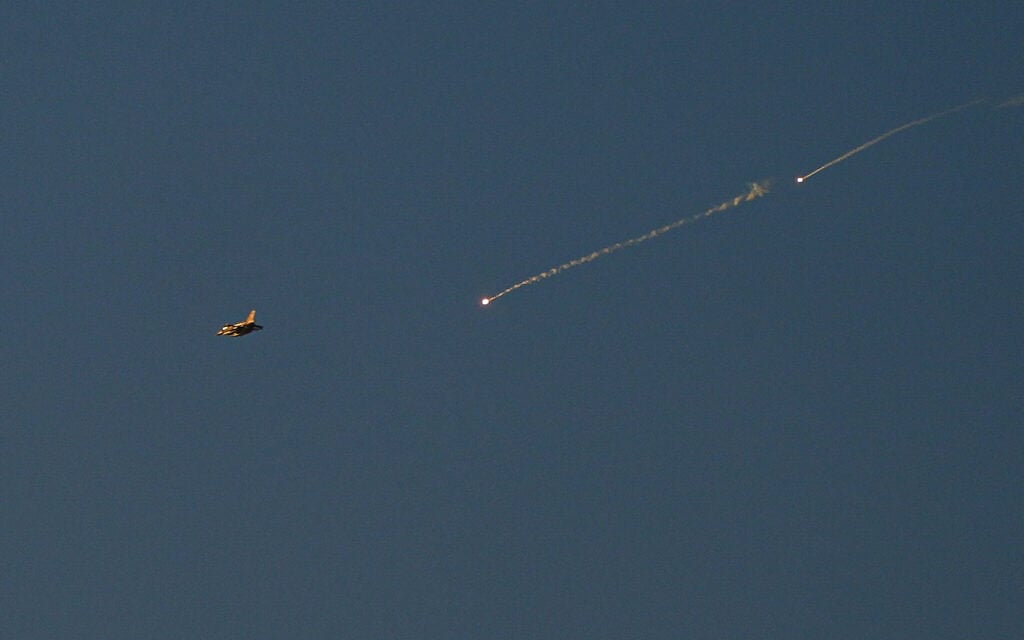
Earlier Thursday, the IDF said it carried out an airstrike inside its buffer zone in southern Lebanon, dispelling rumors of interceptors being deployed.
Residents near the northern border city of Kiryat Shmona reported seeing streaks across the sky, which led to false reports that interceptor missiles were launched over the area, despite no rocket warning sounding.
A military spokesperson told The Times of Israel that the IDF conducted a “routine” strike within the southern Lebanon security zone under its control and that no interceptors were launched. It did not say what the purpose of the strike was.
The IDF regularly carries out strikes within the buffer zone, which runs some 10 kilometers deep into Lebanon. The army says these strikes are part of routine demolition activities of Hezbollah infrastructure or to “remove threats” to troops stationed in the area.
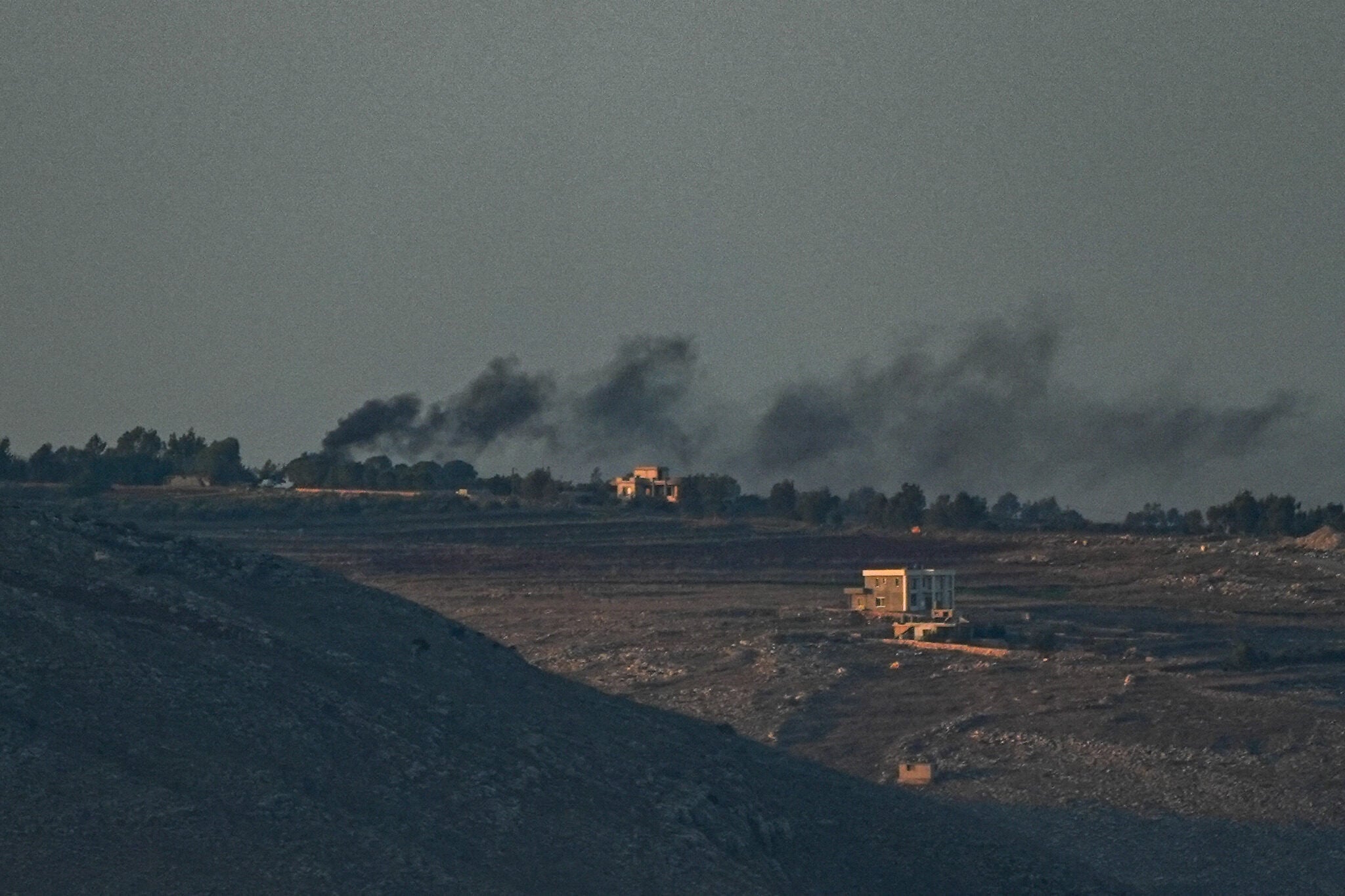
Hezbollah pulled Lebanon into the war with Iran on March 2 in support of its Iranian patrons, prompting massive Israeli airstrikes and a subsequent ground invasion of southern Lebanon before an agreement between Jerusalem and Beirut to end the conflict was reached in June, though sporadic fighting has continued.
The negotiations have been hampered by Hezbollah’s refusal to comply with the deal, which calls for the IDF to withdraw from areas of southern Lebanon it held in parallel with the deployment of the Lebanese army, starting with so-called pilot zones, under the condition that Hezbollah disarms. But the Iran-backed terror group has refused to do so.
Animal lovers, this one's for you

In 1935, Rabbi Max Shorenstein left Denmark to pursue his lifelong dream: building a zoo in Tel Aviv and teaching children to love animals. The Tel Aviv Zoo became one of the city’s greatest attractions, but envy, greed, and corruption drove Shorenstein from the paradise he created.
The film 'There Are No Lions in Tel Aviv' is available to screen November 19-26 for members of our reader support group, The Times of Israel Community. Join the Community today to support our work and watch our DocuNation series of outstanding Israeli documentary films.
I want to watch I want to watch Already a member? Sign in to stop seeing this
KioskNews shows a cleaned-up reading view extracted from the publisher’s page — the original always lives on their site, not ours.