25 Years Later, Donnie Darko’s Ending Is Still One Of Sci-Fi’s Most Confusing

Richard Craig is a Senior Author at Screen Rant covering film and TV. Richard has also written extensively about horror and film soundtracks, contributing a chapter to the first major academic collection on the folk horror genre, The Routledge Companion to Folk Horror. Richard is also a performing musician and holds an MA in Music and Sound Art.
For a movie that has been analyzed for a quarter of a century, Donnie Darko remains remarkably difficult to explain. Richard Kelly's 2001 sci-fi drama has become one of the most celebrated cult movies ever made, inspiring countless essays, YouTube videos, Reddit threads, and fan theories attempting to decode its mysteries. Yet even among devoted viewers, there is still disagreement about exactly what happens during the film's final act.
Part of the confusion comes from the fact that Donnie Darko operates on multiple levels at once. It is a coming-of-age drama, a dark comedy, a psychological mystery, and a science-fiction story built around time travel. The narrative deliberately withholds information, allowing audiences to piece together its mythology through cryptic dialogue, visual clues, and recurring symbols.
Even the Director's Cut, which adds material explaining some of the movie's rules, stops short of providing a complete answer. Unlike many sci-fi classics, Donnie Darko never pauses to deliver a straightforward explanation of its mechanics. Instead, viewers are left to determine how much of what they are seeing is fate, time travel, destiny, or something more spiritual. As a result, Donnie Darko's ending remains one of modern science fiction's most debated conclusions.
What Happens In Donnie Darko

The key to understanding Donnie Darko lies in Roberta Sparrow's The Philosophy of Time Travel, excerpts of which appear throughout the Director's Cut. According to the book, the narrative takes place largely inside a "Tangent Universe" – a temporary alternate reality that branches off from the primary timeline.
The Tangent Universe is unstable and doomed to collapse. During its creation, an object known as the "Artifact" appears. In Donnie Darko, that Artifact is the mysterious jet engine that crashes into Donnie's bedroom at the beginning of the movie. Because the engine has no logical origin within the Tangent Universe, it creates a paradox that threatens the primary reality itself.
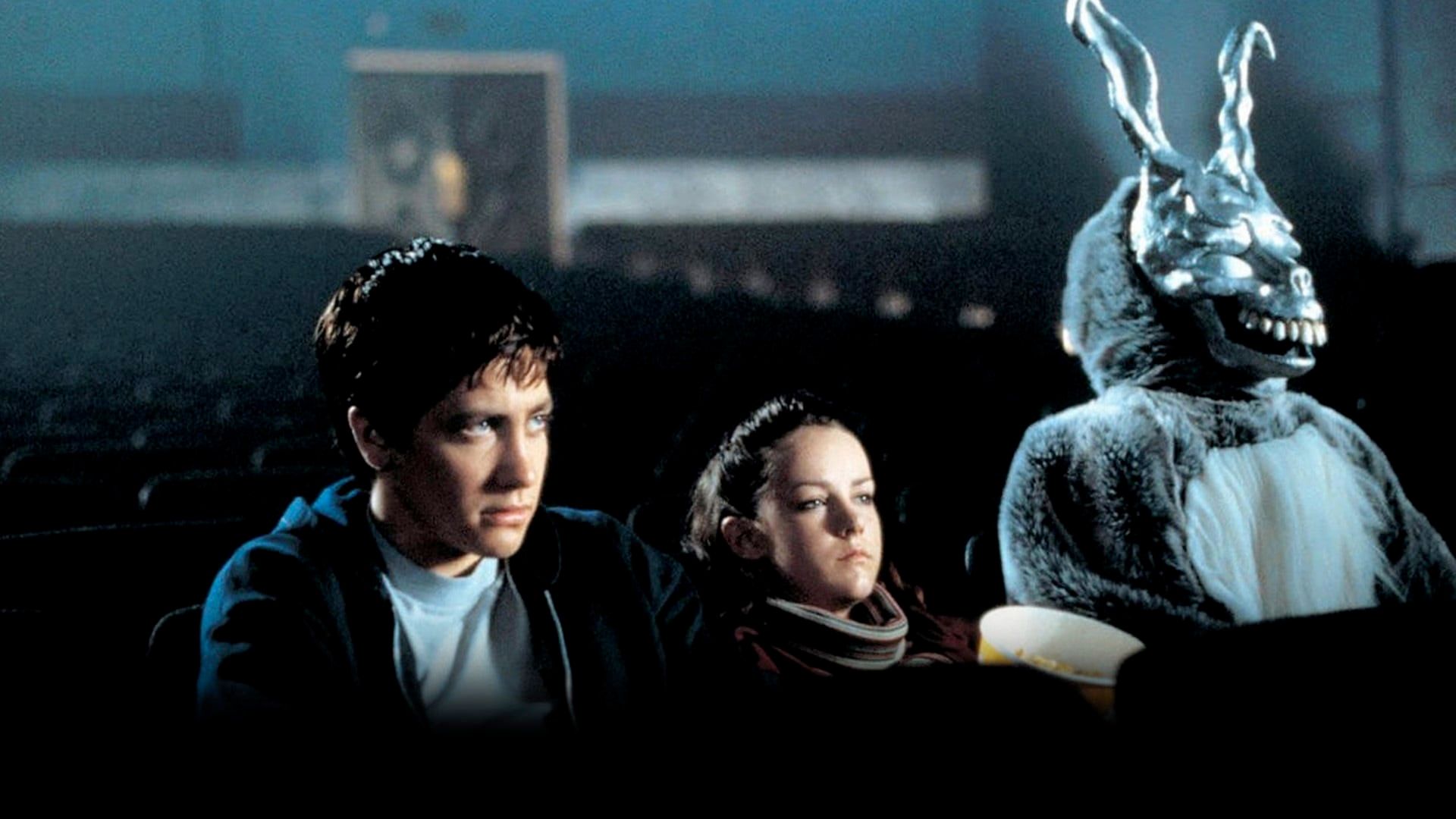
Donnie is identified as the "Living Receiver," a person granted unusual abilities and tasked with returning the Artifact to the Primary Universe before the Tangent Universe collapses. Throughout Donnie Darko, he experiences visions, strange powers, and guidance from Frank the rabbit, who functions as one of the "Manipulated Dead" described in Sparrow's book. The Manipulated Dead can influence events from beyond death, steering the Living Receiver toward completing their mission.
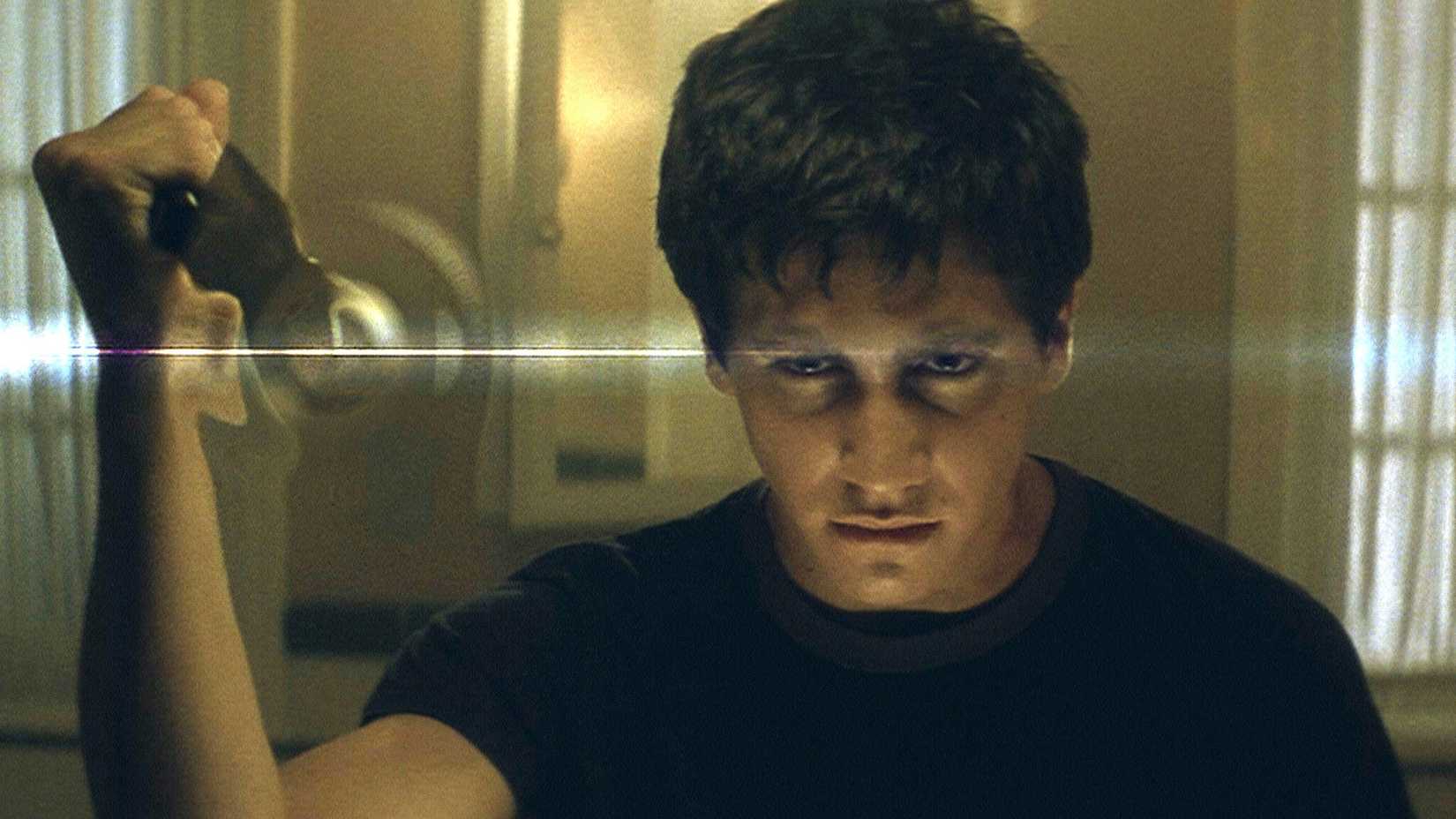
By Donnie Darko's climax, Donnie has learned enough about the nature of reality to understand what needs to happen. After Gretchen is killed and Frank is shot, a vortex opens above the town. Donnie uses his abilities to send the jet engine back through time, allowing it to return to the Primary Universe.
When the timeline resets, Donnie remains in bed instead of leaving the house. The engine crashes through his room and kills him. In doing so, he prevents the chain of events that unfolded in the Tangent Universe, erasing that reality and saving everyone else.
Why The Ending Is So Confusing
The problem is that even Donnie Darko’s official explanation raises almost as many questions as it answers. While the Director's Cut and The Philosophy of Time Travel clarify the central concepts, they do not explain everything. Crucially, Donnie Darko never fully reveals how much Donnie understands about his role, whether he knew he needed to die, or if he was simply accepting his fate.
Donnie Darko's spiritual undertones add another layer of ambiguity. Although the mechanics are framed as science fiction, concepts such as destiny, divine intervention, and predestination are woven throughout the story. Frank often feels less like a time traveler than an angelic or supernatural guide.
Then there is the question of the final montage. Several characters wake up with emotional reactions to events that technically never happened. Gretchen and Donnie's mother exchange a brief wave despite never meeting in the restored timeline. These moments suggest that traces of the Tangent Universe still linger, but Donnie Darko never explains exactly how.
Unlike many science-fiction movies that prioritize airtight logic, Richard Kelly's film leaves room for interpretation, and he has repeatedly refused to give any definitive answers. The Director's Cut may provide a framework for understanding the ending, but it does not eliminate the mystery. Twenty-five years later, viewers can explain the mechanics of Donnie Darko far more easily than they could in 2001. Deciding what those mechanics actually mean is another matter entirely.
- Release Date
- October 26, 2001
- Runtime
- 114 minutes
- Director
- Richard Kelly
- Writers
- Richard Kelly
- Producers
- Adam Fields, Nancy Juvonen, Sean McKittrick
KioskNews shows a cleaned-up reading view extracted from the publisher’s page — the original always lives on their site, not ours.