China and US expand military drone flights near Japan and the South China Sea
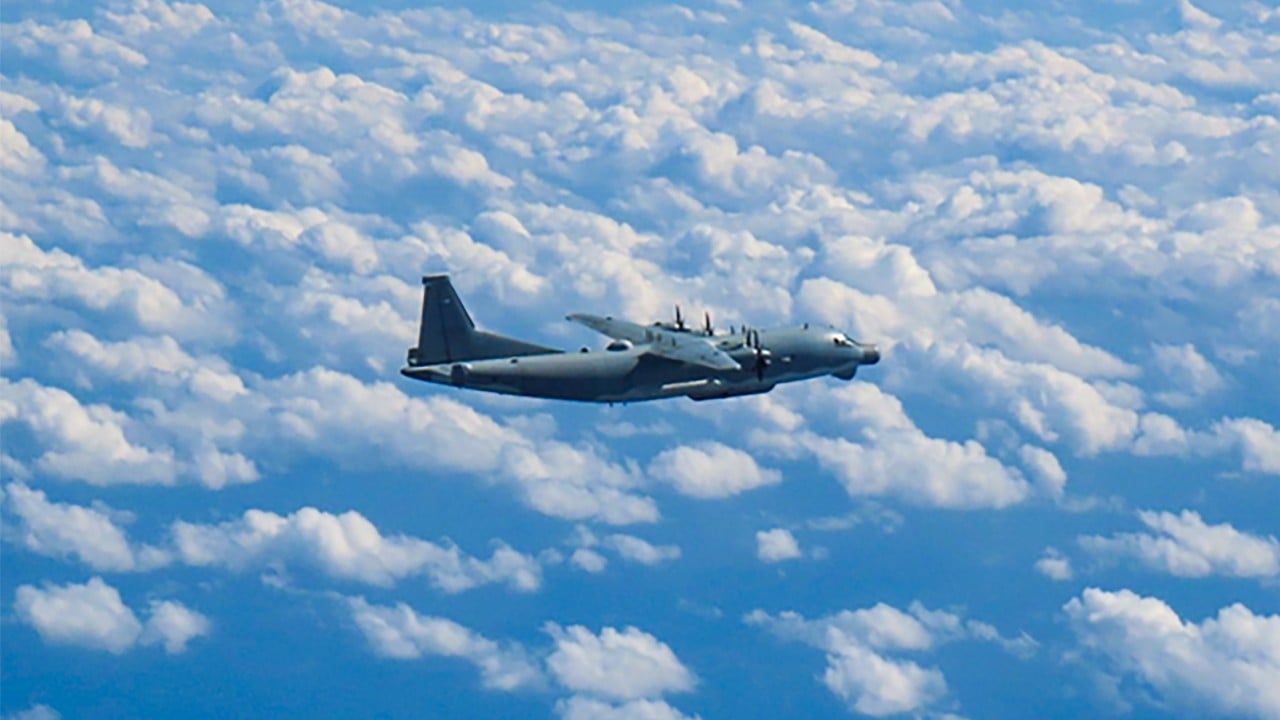
China and America have escalated uncrewed aircraft deployments across sensitive Indo-Pacific waters, with mainland drones patrolling strategic passages near Japan while a US Marine detachment operates near disputed South China Sea islands.
In recent days, Japan has detected an uptick in Chinese military aircraft operations in important waters that enable Beijing’s naval forces to transit beyond the first island chain.
The activity coincided with large-scale joint military exercises between Tokyo and Washington aimed at deterring conflict in the region, including potential contingencies involving Taiwan.
According to Japan’s Joint Staff Office, China’s TB-001 reconnaissance and attack drone, Y-9 intelligence-gathering aircraft and BZK-005 drone were spotted this week transiting Miyako Strait, between Okinawa and Miyako Island, to the Pacific Ocean, later reversing course through the same passage to return to the mainland.
In addition, a Y-9 surveillance plane was seen operating in the airspace stretching from southwest of the Danjo Islands in Nagasaki prefecture to waters northwest of Okinawa, the report said.
Trump praises Takaichi ahead of Xi’s US visit
Tokyo scrambled fighter jets in response to the activity.
The Miyako Strait, along with other strategic choke points such as the Bashi Channel and Luzon Strait, is one of the few maritime gateways allowing the Chinese navy to break out beyond the first island chain into the wider Pacific.
The heightened deployment of Beijing’s drones came as Japan and the United States carried out large-scale drills in strategic locations including the Miyako and Yonaguni islands, about 110km (68 miles) east of Taiwan.
The aircraft movements coincided with “Keen Sword”, a biennial joint military exercise between Japan and the United States held from October 19 to 29.
The drills focused on a potential Taiwan conflict, drawing criticism from Beijing on Thursday over what it called Japan’s “accelerated remilitarisation”.
Beijing sees Taiwan as part of China to be reunited by force if necessary. Most countries, including the US and Japan, do not recognise Taiwan as an independent state, but Washington is opposed to any attempt to take the self-governed island by force and is committed to supplying it with weapons.
As mainland Chinese drones patrolled the strategic airspace, Beijing’s Liaoning strike group, flanked by three guided-missile destroyers, carried out exercises in the western Pacific.
SCMP Plus is a new premium news platform that gives you an
all-inclusive edge to stay ahead on China news.
To access our exclusive content you’ll need to subscribe.
Already a subscriber?
LOG IN
The group took a rare, less-monitored anticlockwise route around the Philippines, sailing from the archipelago’s northern to western coast in a reversal of the path taken during PLA naval exercises in October 2024.
In the recent patrol, the Liaoning strike group reportedly came as close as 15.2 nautical miles off the coast of the Philippines.
09:58
Will Batanes become the next South China Sea flashpoint?
The transit came amid heightened maritime tensions between Beijing and Manila, marked by frequent stand-offs, physical clashes and wars of words over South China Sea hotspots like the Spratly Islands.
Washington, which has strengthened security ties with Manila in recent years, deployed a US Marine Corps drone detachment to a Philippine airfield in Palawan, near the Spratly Islands, where Beijing asserts sweeping territorial claims.
The Marine Unmanned Aerial Vehicle Squadron 1 is reportedly operating at the airbase, according to USNI News.
The squadron supports the MQ-9A Reaper, a multi-mission reconnaissance and strike drone deployed for high-profile operations and integrated into the US Indo-Pacific surveillance network.
The detachment can also launch and sustain the Reaper surveillance flights from an alternative island base, reducing reliance on primary airfields in northern Luzon and ensuring continuous operations throughout typhoon season.
Last November, Washington deployed the same squadron to the Philippines as the island country’s friction with Beijing spiralled over disputes in the South China Sea.
In recent years, Manila and Tokyo have strengthened their military and security ties with each other amid escalating tensions that both have experienced with Beijing.
Sino-Japanese ties plunged after Japanese Prime Minister Sanae Takaichi suggested in November last year that an attack on Taiwan could constitute a “survival-threatening situation” for Japan, justifying the mobilisation of its armed forces.
Tokyo has since outlined plans to procure and deploy stand-off missiles while expanding domestic production capacity, actions aimed at countering Beijing and drawing mainland China’s repeated condemnations. The moves also marked a further shift away from its post-war pacifist defence posture.
KioskNews shows a cleaned-up reading view extracted from the publisher’s page — the original always lives on their site, not ours.