What’s in a hockey stick: Change in material & technology make big difference
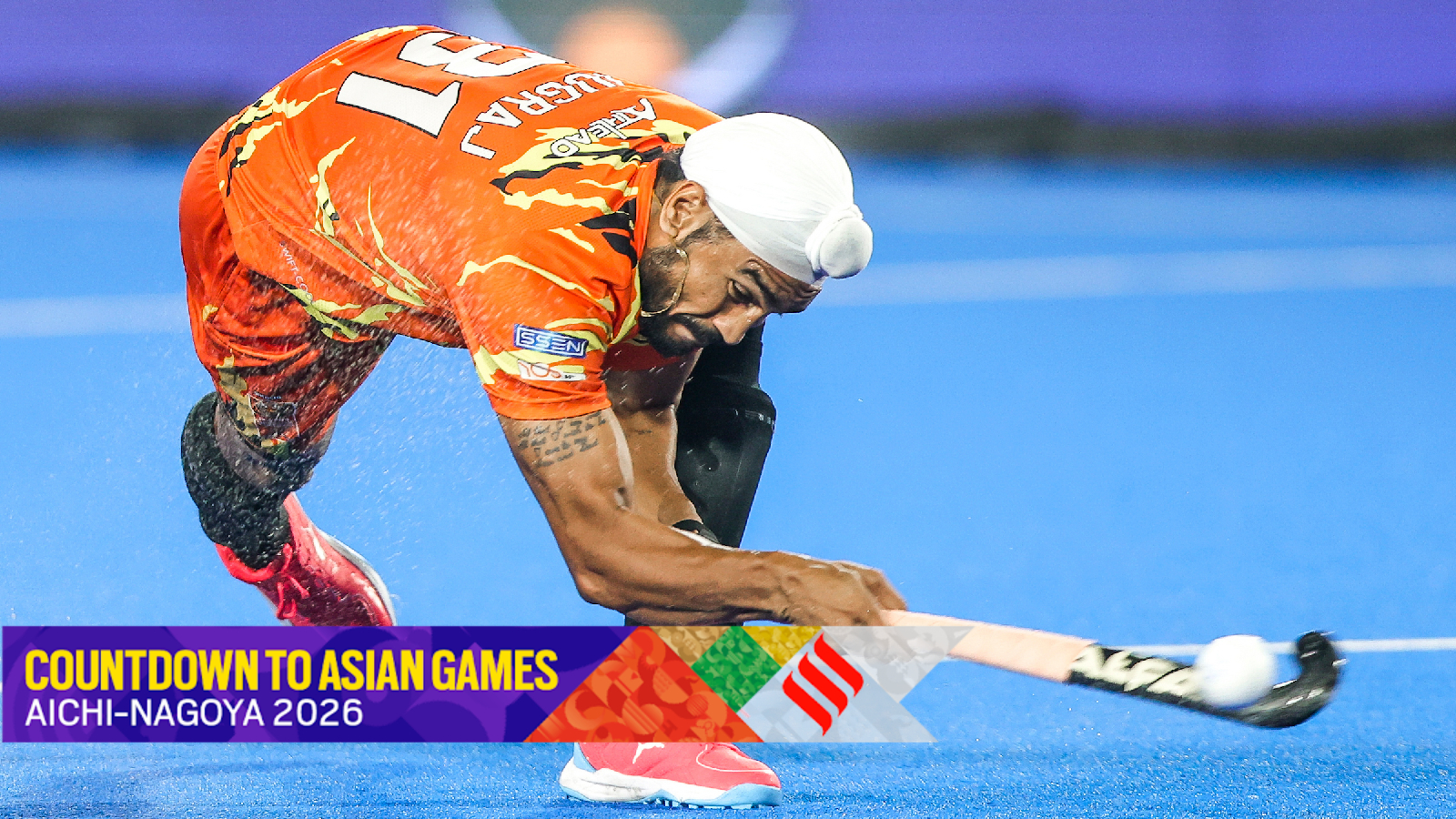
As the game has moved with the times, hockey sticks have evolved according to the requirements of their users. (HIL)
A few weeks back, top Indian drag-flicker Jugraj Singh had a specific request for his hockey stick manufacturer. He wanted another layer of paint or primer on his stick, especially near the area from where he drags the ball during penalty corners.
This is one of the recent changes hockey sticks have seen in their constant evolution from wooden to carbon fibre.
“Jugraj had asked us to add a layer of paint to his stick. This is something new that drag flickers across the world have been doing,” said Jitin Mahajan, the second-generation hockey stick maker and the owner of the brand ‘Alfa’.
ALSO READ | Football’s loss, hockey’s gain: How Bichu Devi became custodian of Indian fortunes
Explaining the change, hockey broadcaster and coach Siddharth Pandey said, “When the stick comes out of a manufacturing unit, the surface is very smooth and there’s no control on it. The white paint adds a layer of friction between the stick and the ball. That allows the stick that much more grip on the ball to execute the drag-flick.”
From the days of wood to the modern-day carbon fibre, hockey sticks have often been used as magic wands by wizards of the game with the greats often having their tool made according to their own precise specifications.
It’s part of hockey lore that Dhyan Chand’s extraordinary dribbling skills gave rise to rumours that he had a magnet in his stick to help him in ball control.
Story continues below this ad
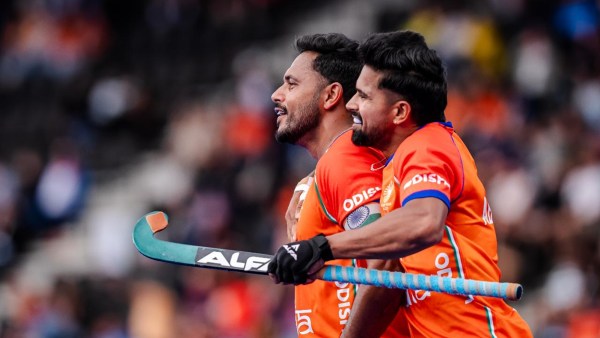 The hockey sticks are constantly modified for the specific requirements of their users. (HI)
“The value of a good hockey stick is immense. You can ask a hockey player to change anything but they are very particular about their sticks,” Mahajan said.
Different stick, different specifications
As the game has moved with the times, hockey sticks have evolved according to the requirements of their users.
“Almost everyone in the Indian national team plays with our sticks. But we can’t manufacture the sticks for the whole team in one go. Each stick takes time as there are exact specifications from the players,” Mahajan said. “For example, forward Abhishek asks for a low bow and more weight on the lower side of the stick as it helps in generating power while taking a shot.”
Pandey explained the different bends in a hockey stick.
“The bow is basically the bend on the stick. A low bow means the stick has a bend at its lowest end, allowing the player to perform 3D skills, pickups, back-flicks, aerials, and have more power,” he said. “For midfielders, there is a pro bow somewhere in the middle of the stick. It’s not very pronounced but allows more control and accuracy while passing.”
Story continues below this ad
The hockey sticks are constantly modified for the specific requirements of their users.
“Indian defenders usually receive aerial balls or have to scoop it up. So some extra bend helps them in controlling the ball better,” said Mahajan. “As new skills have developed over the years, such changes have been made to hockey sticks.”
From wooden to composite
Like other sports equipment, the hockey stick has also evolved in terms of the material used.
“Our family started making hockey sticks back in the 1960s. There has been a constant evolution of the stick through the eras,” said Mahajan, whose brand is the domestic market leader in hockey sticks. “We used to make wooden sticks before but it would take a lot of time. When FIH introduced glass and carbon fibre in the early 2000s, the manufacturing of sticks started moving towards a more modern method.”
Story continues below this ad
While Alfa leads the market in India, Pakistan’s Awan Sports dominates the global market with the likes of Adidas, Nike, Osaka, and Grays manufacturing hockey sticks there and exporting their product out of Pakistan.
ALSO READ | Faster, smarter, tinier: How gizmos smaller than your palm are powering Asian Games stars
The introduction of carbon fibre has been a game-changer.
“We were the first to make composite hockey sticks in India. In 2005-2006, we started making hockey sticks from carbon fibre and they were exported too but we stopped due to increasing competition in the international market,” said Raghav Kohli, owner of Shrey Sports, primarily known for making cricket helmets.
However, Shrey has restarted making hockey sticks for the past four years and Indian women’s team player Sakshi Rana and British star Jacob Draper are two of the players who use teir products.
Story continues below this ad
“Hockey is a passion for me and despite stopping it back in 2006, I decided to revive the hockey stick business and we have been growing in the international market,” Kohli said.
What exactly changed when the sticks moved away from wood?
“The game becomes much faster. Wooden sticks wouldn’t last long. Carbon fibre and the resin used to make modern-day sticks is like aviation-grade material. The transfer of ball between players, the execution of skills and the quality of goals have gone to a higher level with the improvement in the sticks,” said Pandey.
KioskNews shows a cleaned-up reading view extracted from the publisher’s page — the original always lives on their site, not ours.