High spirits: Supreme Court to decide fate of federal ban on home distilling
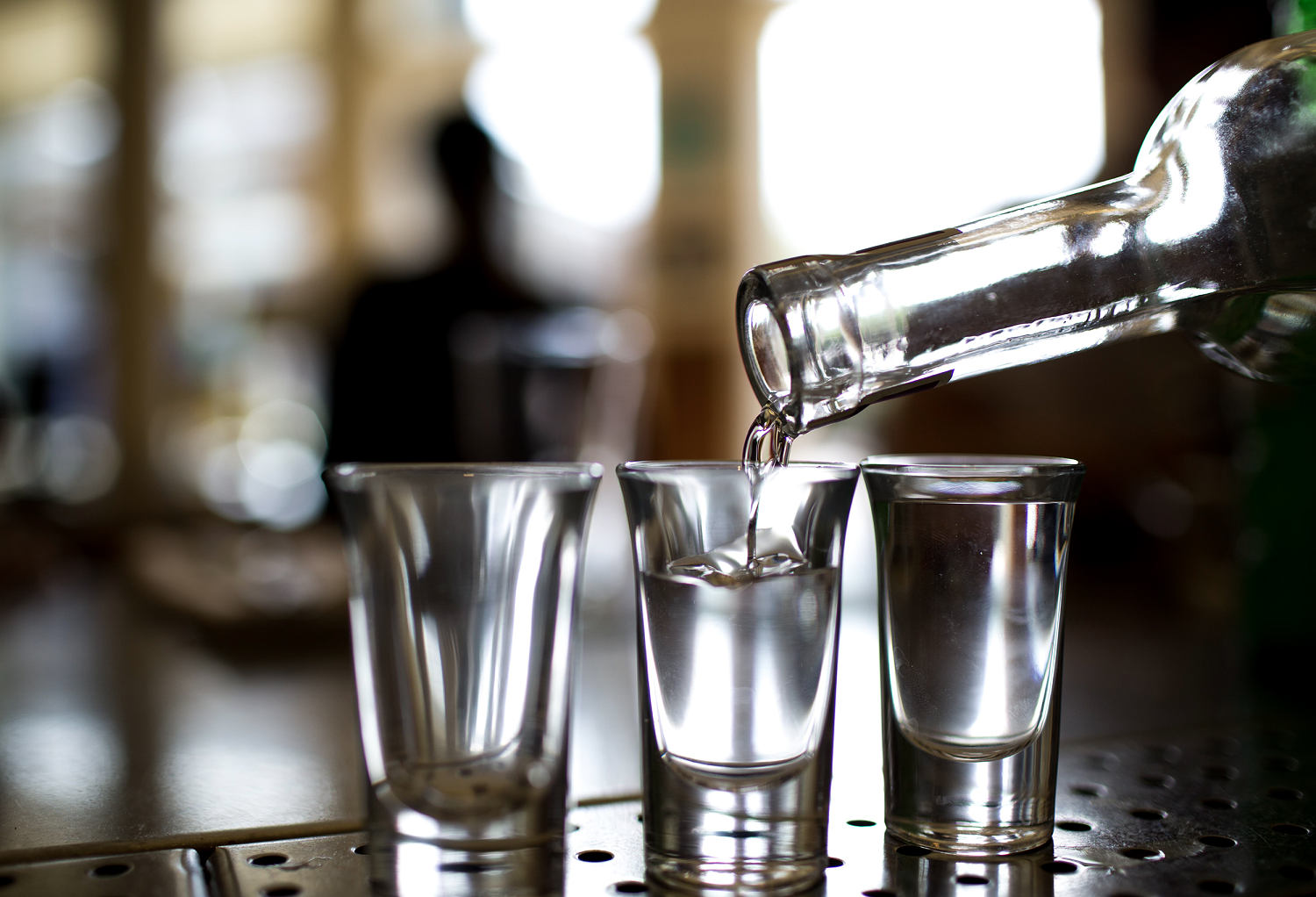
WASHINGTON — In a boost for those who want to make whiskey in their bathtubs or gin in their kitchens, the Supreme Court on Monday announced it will consider whether to strike down a long-standing federal ban on distilling spirits at home.
Although interest in the home distilling of hooch has continued despite the 150-year old ban, advocates hope the court will remove the threat of criminal sanctions, which can include a fine of up to $10,000 and a maximum sentence of five years in prison.
For decades, people have been able to make wine and beer at home for personal use without any penalties.
The distilling ban was enacted in 1868 in a bid to counter tax evasion by those making spirits. It bars the distilling of spirits in “any dwelling house” or surrounding structures.
The challengers include the Hobby Distillers Association and several of its members. One, Scott McNutt, has a still at home that he has used to distill fuel alcohol. Another, Rick Morris, owns a company that manufactures stills that can be used at home.
They sued in Texas after being told by the federal Alcohol and Tobacco Tax and Trade Bureau, part of the Treasury Department, that they could not obtain a license to distill at home because of the federal ban.
The lawsuit contains several claims, including that Congress exceeded its taxing power by passing a ban that did not actually raise any revenue.
In a separate challenge brought in Ohio, another would-be home distiller, John Ream, raised similar claims.
The two cases resulted in conflicting rulings by federal appeals courts. In the Texas case, the 5th U.S. Circuit Court of Appeals backed the challengers, while in the Ohio case, the 6th U.S. Circuit Court of Appeals reached the opposite conclusion.
As a result, both losing parties appealed, and all parties agreed the Supreme Court should issue a definitive ruling that would apply nationwide.
If the challengers win, they would still have to register their stills and pay excise tax on the spirits they produce, even though it would be for their own consumption.
Solicitor General D. John Sauer, representing the federal government, defended the law in court papers, saying that it is within the power of Congress to restrict taxable activities by location if there is a strong chance the taxes will not be paid.
Similar to marijuana, which remains broadly illegal under federal law while various states have legalized it, several states allow home distilling, including West Virginia, which legalized it in 2024. Those laws do not take precedence over the federal ban.
Legislation has also been introduced in Congress to repeal the federal restrictions.
KioskNews shows a cleaned-up reading view extracted from the publisher’s page — the original always lives on their site, not ours.