23 Cult Classics From the '90s That Aged Poorly

Updated
Christine is a freelance writer for Collider with two decades of experience covering all types of TV shows and movies spanning every genre. With a particular affinity for dramas, true crime, sitcoms, and thrillers, if it's a top TV show, Christine has likely watched it and is eager to share her thoughts. When she's not furiously writing away, you can find her enjoying the next binge obsession with a glass of wine in front of the TV.
A cult classic movie is quite literally one that has developed a cult following. Often, the movie didn’t perform well at the box office when it was released; sometimes, it was even panned by critics. But years, even decades later, the film is looked back on fondly, especially by a passionate group of fans who have created a unique subculture and will discuss everything positive about the movie with anyone who will listen.
However, some ‘90s cult classics didn’t quite evolve with the times, even if they remain highly regarded by their fanbases. These movies pushed the envelope when they were released, but now, 30+ years later, they seem slightly problematic, some more so than others. That doesn’t mean fans like them any less, but it raises eyebrows when measured by today’s socially accepted norms.
23 'The Waterboy' (1998)

Bullied by his peers and sheltered by his overprotective mother all his life, 31-year-old Bobby Boucher (Adam Sandler) is the very definition of socially awkward. Working as a water boy, he unintentionally joins a struggling college football team. Little does Bobby realize that he has a talent for tackling opponents.
The Waterboy painfully makes fun of Bobby's social ineptness, portraying awkwardness as a mortifying experience caused by limited life experience. It also reinforces stereotypes about overprotective religious mothers, presenting his mother’s extreme beliefs and controlling behavior as the main reasons Bobby struggles to become independent. —Dyah Larasati
22 'The Nutty Professor' (1996)

Kind-hearted professor Sherman Klump (Eddie Murphy) develops an experimental weight-loss formula that temporarily transforms him into a slimmer man. Adopting the identity of Buddy Love, he initially enjoys his newfound confidence, but the transformation gradually develops a personality of its own. As Buddy becomes increasingly arrogant and destructive, Sherman struggles to regain control of himself.
The Nutty Professor perpetuates harmful body standards, equating thinness with social acceptance. While Sherman eventually learns that his weight doesn’t define him, his transformation into Buddy Love also equates being a “more masculine man” with becoming a sexually aggressive womanizer, reinforcing toxic hypermasculinity. —Dyah Larasati
21 'Deuce Bigalow: Male Gigolo' (1999)

Shocking and amusing, Deuce Bigalow: Male Gigolo follows lonely Los Angeles aquarist Deuce Bigalow (Rob Schneider), who accidentally destroys a gigolo’s luxury apartment and must repay $6,000 in damages. Desperate for money, he becomes a reluctant gigolo under pimp T.J. (Eddie Griffin), dating unconventional clients who value his kindness more than sex. As Deuce falls for one of his clients, his secret profession threatens their budding romance.
Sex for sale is arguably the least problematic thing about Deuce Bigalow: Male Gigolo. What is actually troubling is how it trivializes mental and physical conditions for crude humor. From antagonizing a woman with Tourette syndrome by making her shout profanities sporadically to Deuce being intimidated by a plus-sized woman, its portrayal of women doesn't bode well today. —Dyah Larasati
20 'The Crush' (1993)

The Crush is one of those silly movies that could've only come from the mind of a male screenwriter; in this case, it's Alan Shapiro, who also directed this questionable cult classic. The film centers on Nick (Cary Elwes), a twenty-eight-year-old writer who becomes the object of obsession for a fourteen-year-old girl, Adrian (Alicia Silverstone). She then begins to increase her advances until the situation turns dangerous.
Another entry in a long line of quasi-erotic thrillers about poor, helpless men stalked by dangerous, man-eating women, The Crush is neither good enough to warrant its salacious premise nor trashy enough to be enjoyable as a so-bad-it's-good classic. Although Shapiro based the film on real-life events, resulting in a lawsuit from the girl who inspired Silverstone's character, The Crush is terribly executed and lacks any real depth. To make matters worse, Silverstone was seventeen at the time, making this film creepy in every possible way.
19 'American Pie' (1999)

Once the face of raunchy, barrier-pushing comedies, American Pie made massive waves with its risque content, holding nothing back to create one of the most shocking and over-the-top comedies of its era. The film follows a group of high-school friends who, tired of still not having lost their virginities, form a pact that they will each do whatever it takes to have intercourse before senior prom. Each member of the group uses different tactics and tendencies to reach their goal, even resorting to the most shocking and uncomfortable things imaginable.
While American Pie certainly revolutionized a new era of sexually charged comedies that would define the following decade in culture, this style that it created has certainly not aged with grace. The film is relatively blatant with its less-than-ideal treatment of female characters, treating them more like sex objects to be earned than as actual human beings. While the various sequels and spinoffs would certainly be much worse in this regard, the original film, much like a pie left out for too long, has grown some noticeable mold over the years. —Robert Lee
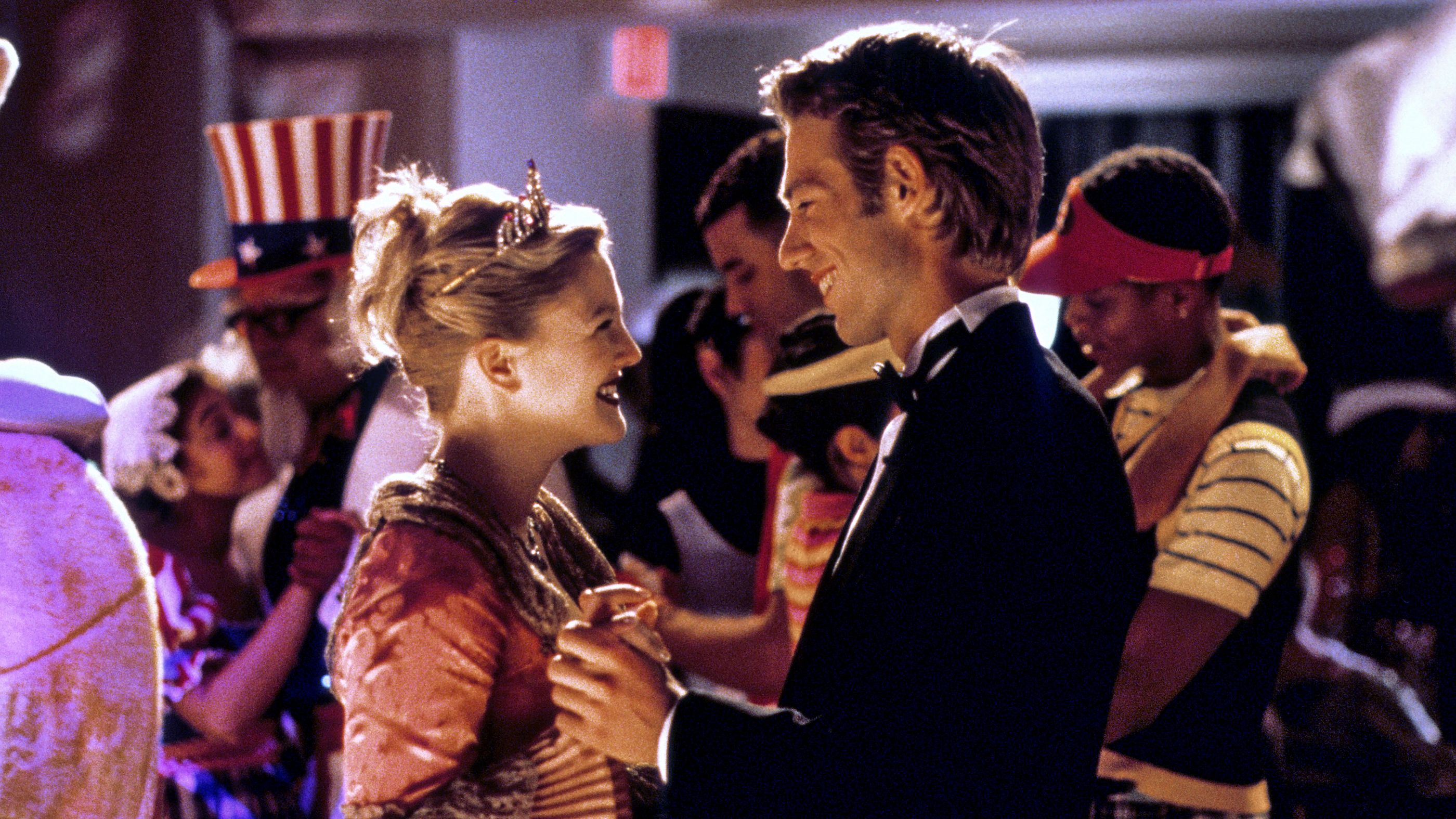
18 'Never Been Kissed' (1999)

The film that cemented Drew Barrymore as a bona fide leading lady, Never Been Kissed sees her playing Josie Geller, a twenty-five-year-old reporter who poses as a high schooler to research an article. Things get complicated when she develops a crush on her teacher, Sam Coulson (Michael Vartan).
Never Been Kissed's premise is silly in a rom-com sort of way. However, it's the very problematic relationship between Sam and Josie that makes this '90s cult classic icky. Yes, Josie is twenty-five, but Sam doesn't know that, meaning he openly flirts and allows himself to develop feelings for a girl who he believes is still a teenager, a student of his, no less. Although well-meaning and supported by Barrymore's never-ending charisma, Never Been Kissed is still all sorts of weird.
17 'Clifford' (1994)

The premise for 1994's Clifford is basically, "What if we did Problem Child but with Martin Short playing the ten-year-old?" Martin Short is one of the funniest people in the business, capable of doing over-the-top comedy like few others can. However, this uncanny premise is too bizarre for even him, and the screenplay's paper-thin story doesn't do him any favors.
To some, Clifford will be admittedly funny. Short is doing what he does best, and he is fully committed to the shtick. However, the film itself is bad and not funny or enjoyably bad — it's uncomfortably bad. The child Clifford is not so much a menace as he is an actual psychopath, causing explosions and destroying lives just for the heck of it. Whereas other similar films portray their child protagonists as mischievous but ultimately harmless to others, Clifford depicts its lead character as an unhinged demon who ultimately gets away with everything.
16 'Ace Ventura: Pet Detective' (1994)

One of the standout comedic outings of Jim Carrey during the '90s, Ace Venture: Pet Detective helped cement him as one of the decade's biggest stars, with countless cult classic comedies to his name. The film sees Carrey as Ace Ventura, a detective who specializes in cases revolving around animals and other pets, and who finds himself on the case of a lifetime when he must uncover the whereabouts of the Miami Dolphins' missing mascot. His quest for the truth sees him face off against many zany characters and gets him into wild antics.
There's still a lot to love about Ace Ventura that has made it one of the most beloved cult classic comedies of the decade, yet it's undeniable that the film's ending and villain twist have aged like sour milk. The major twist in the final acts of the film is that the female police lieutenant, Einhorn, has been male ex-kicker Ray Finkle for the Dolphins this entire time, a facet that by itself has already grown to be in poor taste. What pushes it over the edge is Ace's visceral reaction and outing of the truth, creating a scene that was comedic at the time, but has grown to be deeply uncomfortable and transphobic in nature. —Robert Lee
15 'Dazed and Confused' (1993)

A movie that highlights everything negative and borderline illegal about teenage life, from hazing to drug use and gun violence, Dazed and Confused became a surprise cult classic for Gen X. The movie portrays so many things that are frowned upon today due to the ever-changing sociocultural climate. None of those things were right back in the ‘90s either, but they weren’t viewed with the same lens as they are today.
In the 2020s, with the drug crisis, deaths by hazing, and the gun law debate, Dazed and Confused would have hit too close to home. The star-studded cast includes everyone from Matthew McConaughey (yes, it’s the movie from which his signature phrase “Alright, alright, alright” originates) to Ben Affleck, Jason London, Joey Lauren Adams, and Milla Jovovich, adding to its appeal. Although quite puzzling and often outright off-putting, the coming-of-age comedy remains one of the defining ones of the ‘90s.
14 'Space Jam' (1996)
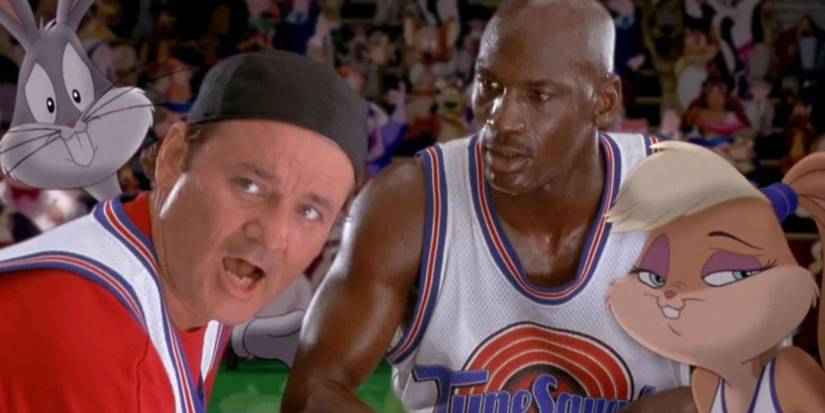
Combining the massive popularity of Michael Jordan and the NBA with the cartoon antics of the Looney Tunes, Space Jam was an instant fan favorite among children of the '90s, yet its flashy, candy-coated filmmaking simply doesn't hold up under modern standards. While aspects like the 2D animation still look beautiful to this day, various aspects like its underwhelming writing, Jordan's stilted performance, and some uncomfortable visuals make the film not nearly as great as nostalgia would have one believe.
Another major factor is the massive focus placed upon product placement and celebrity cameos in the film, with these distracting features simply being much more prominent downsides to modern audiences than in the '90s. Lola Bunny, as a character, while certainly a fan favorite nowadays with a wide array of different interpretations, is at her absolute worst in her introductory film, having little personality aside from being strange, bunny sex-appeal in a family movie.
KioskNews shows a cleaned-up reading view extracted from the publisher’s page — the original always lives on their site, not ours.