Sheikh Hasina’s plan for return to Bangladesh fuels fears of renewed unrest
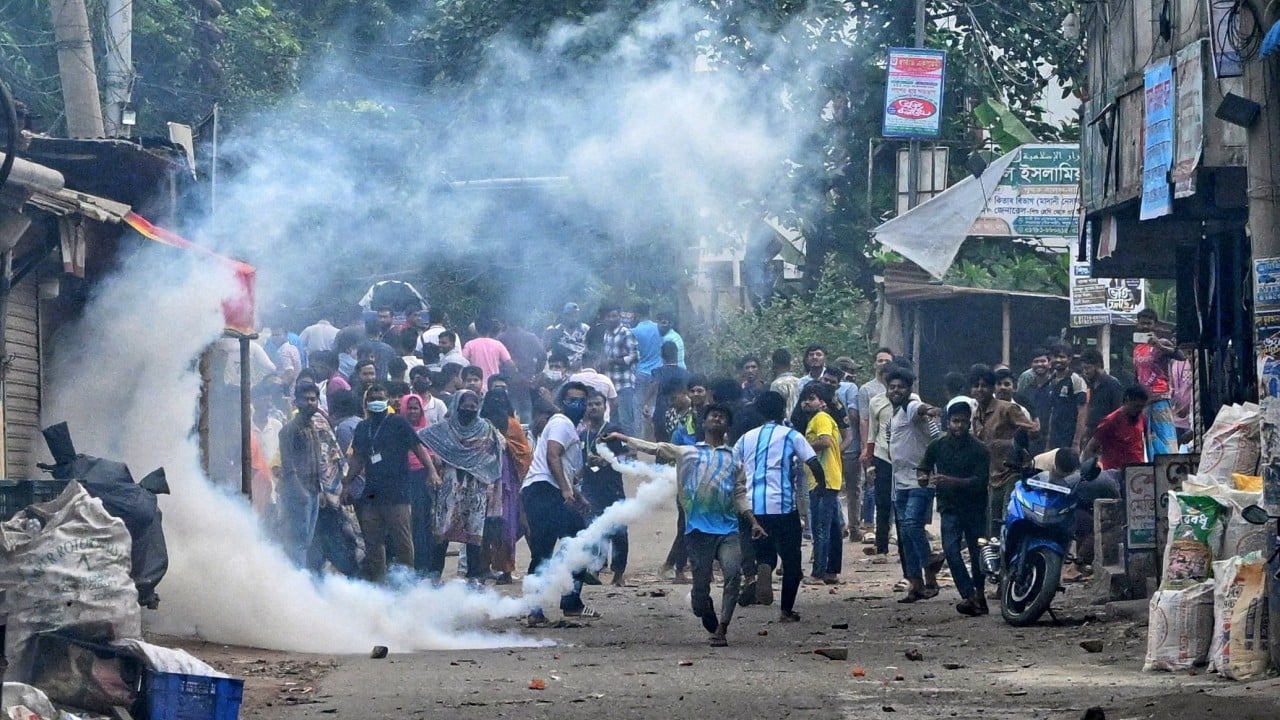
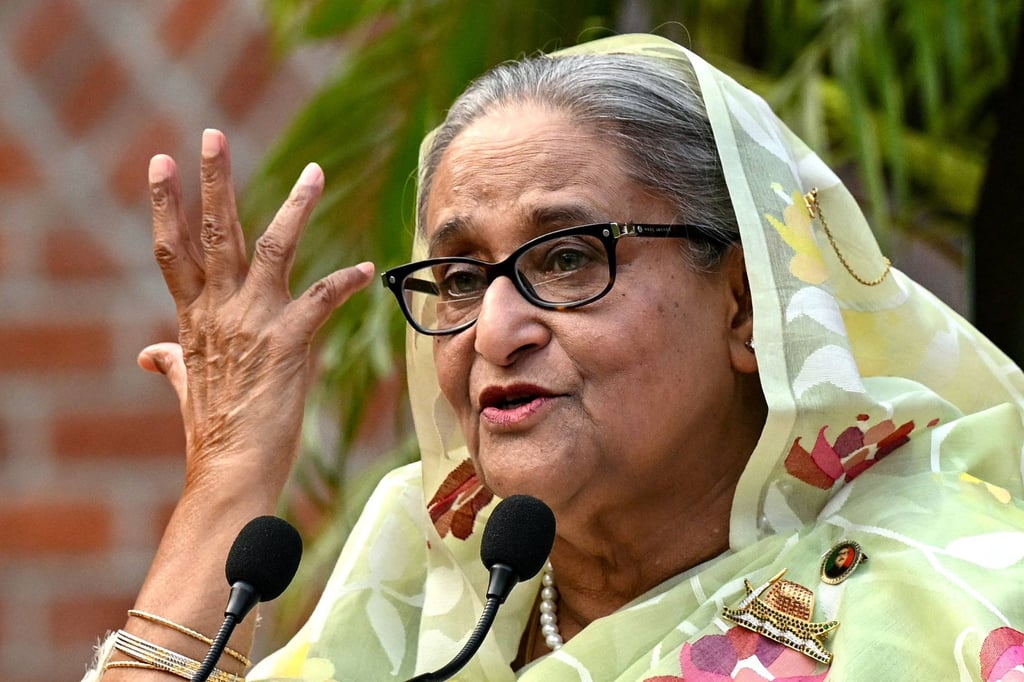
Former Bangladeshi prime minister Sheikh Hasina’s plan to return from exile in India could fuel renewed unrest and test Dhaka’s ability to maintain stability and pursue national reconciliation, analysts have warned.
The prospect of her return has raised questions about how Prime Minister Tarique Rahman would handle a potential confrontation between supporters of Hasina’s Awami League and those who backed the student-led uprising that toppled her government in 2024.
Tensions have intensified since Hasina requested a passport from Dhaka, with Bangladeshi authorities rejecting it and insisting that she should be extradited to face due legal process after a death sentence was handed down against her in absentia.
“Sheikh Hasina’s proposed return could become a major political flashpoint,” said Swaran Singh, a former professor of diplomacy and disarmament at New Delhi’s Jawaharlal Nehru University.
“The danger portends a renewed political confrontation,” he added.
Hasina has said she plans to return to surrender before a court. On Monday, her aides said she would announce the date for her return after completing legal formalities.
Last November, a tribunal in Bangladesh convicted Hasina of “crimes against humanity” during the deadly crackdown on student-led protesters in 2024, which ended her 15-year rule. She has consistently denied the charges.
Hasina, 79, has lived in India since fleeing Bangladesh aboard a military aircraft on August 5, 2024.
On Tuesday, Aminul Islam, chief prosecutor of Bangladesh’s International Crimes Tribunal, said in Dhaka: “Under the passport law, if an accused evades the judicial process or remains a fugitive, no passport can be issued on their behalf.”
Hasina had been a fugitive since before her conviction, Islam said.
“An arrest warrant has been issued to bring her back, and a notice has been published in newspapers. She has evaded judicial proceedings against her,” he added.
Dhaka has repeatedly demanded and formally requested her extradition from India.
In response, India’s External Affairs Ministry spokesman Randhir Jaiswal said on Tuesday that Hasina would need a passport.
“On [the] extradition of Sheikh Hasina, I have told you that this is a legal matter, and the issue will be dealt [with] accordingly. Now, obviously, for travel of people, you need a travel document,” he told a media briefing.
The differences over Hasina’s return could complicate efforts for a diplomatic reset between Bangladesh and India. Both countries have been seeking a breakthrough on the current 30-year treaty to share the waters of the Ganges River, which is set to expire on December 12.
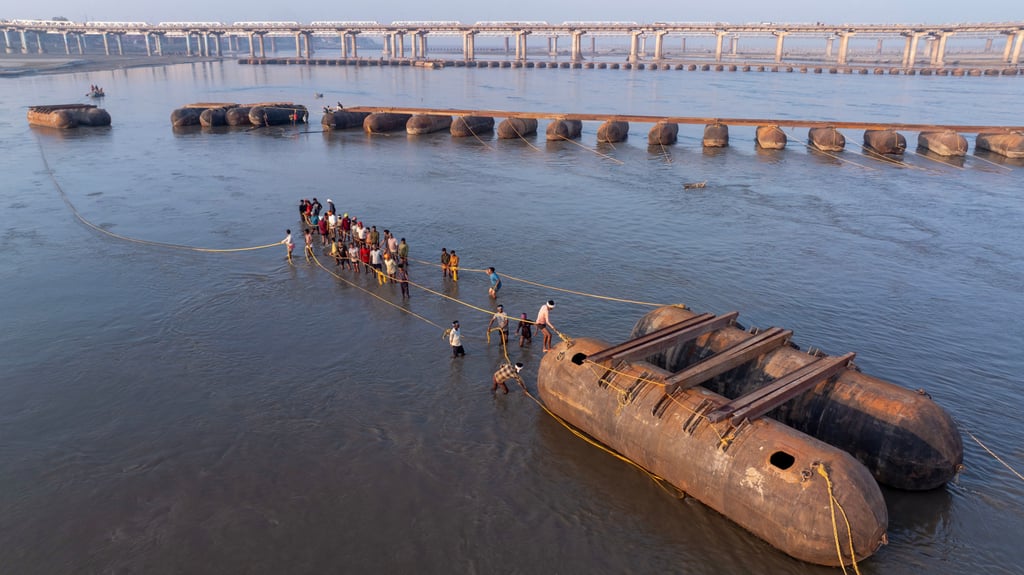
Bangladesh’s Water Resources Minister Shahiduddin Chowdhury Anee has said Dhaka hopes to conclude a new agreement or secure an extension before the deadline.
Uday Chandra, a professor of political science at Ashoka University in India’s Haryana state, said Dhaka and Delhi would likely separate the Hasina dispute from the water talks.
“Both sides have strong incentives to prevent this dispute from dominating diplomatic ties. Trade, energy, border management and water sharing require sustained cooperation, especially with the Ganges water-sharing treaty expiring next month,” Chandra said.
Hasina’s planned return has sparked fears that it could galvanise her former supporters in the Awami League and trigger fresh confrontations with those who backed her ousting. The party was barred from contesting the February election by the interim government that preceded the Rahman administration.
The potential for unrest comes amid fresh incidents of violence. Bangladeshi police said on Monday that they had arrested 12 people over a series of petrol bomb attacks this month, including attacks on property, an empty bus and police vehicles.
Singh said political uncertainty might not be an imminent threat to the government because it had secured an electoral mandate. Nonetheless, it could challenge law and order, economic recovery and political reconciliation, he added.
“How it handles Hasina’s return will be an important test of its democratic maturity,” he said.
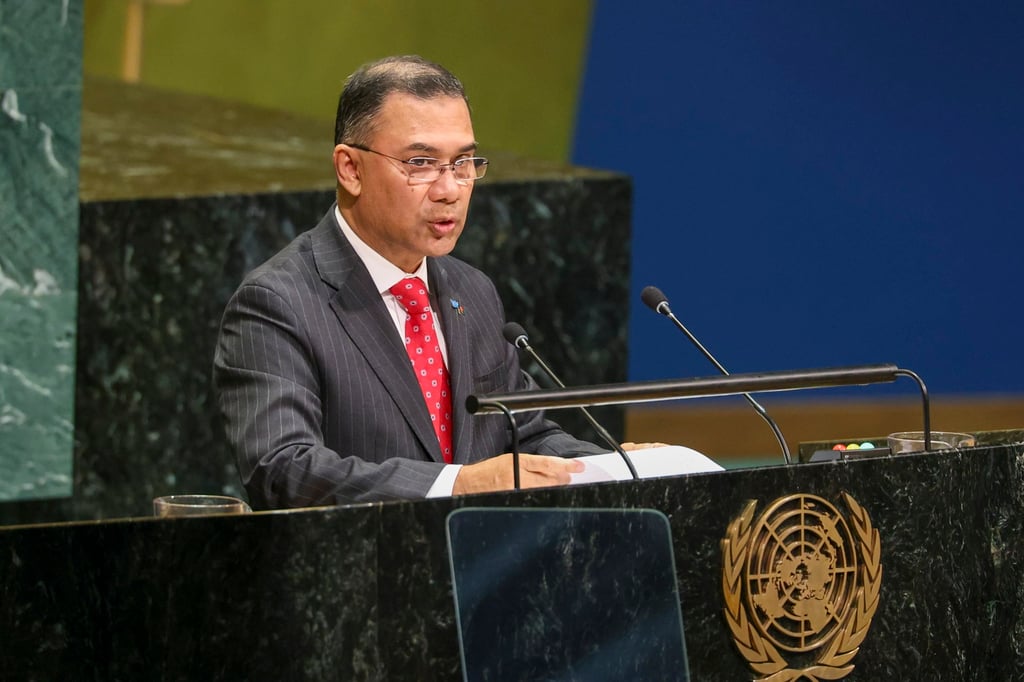
Priyajit Debsarkar, a London-based co-author of Bangladesh on the Brink, Bleeding Boundaries, said any reconciliation in the country would have to involve the Awami League.
The Awami League played a central role in Bangladesh’s 1971 liberation from Pakistan, and vast sections of the population still identify with the movement.
“So you cannot actually leave that part of society behind and move on in Bangladesh,” he said.
Sreeradha Datta, a professor of international affairs at India’s O.P. Jindal Global University, said she doubted Hasina’s intention to return to Bangladesh and face a death sentence.
“If she really wants to go, then she would have gone to the Bangladesh high commission in New Delhi and said, ‘Here I am, and I surrender’. You don’t wait for a passport to be extradited,” she said.
On the Awami League’s future, Datta said most of its top leaders had fled the country, even if it still had a sizeable following.
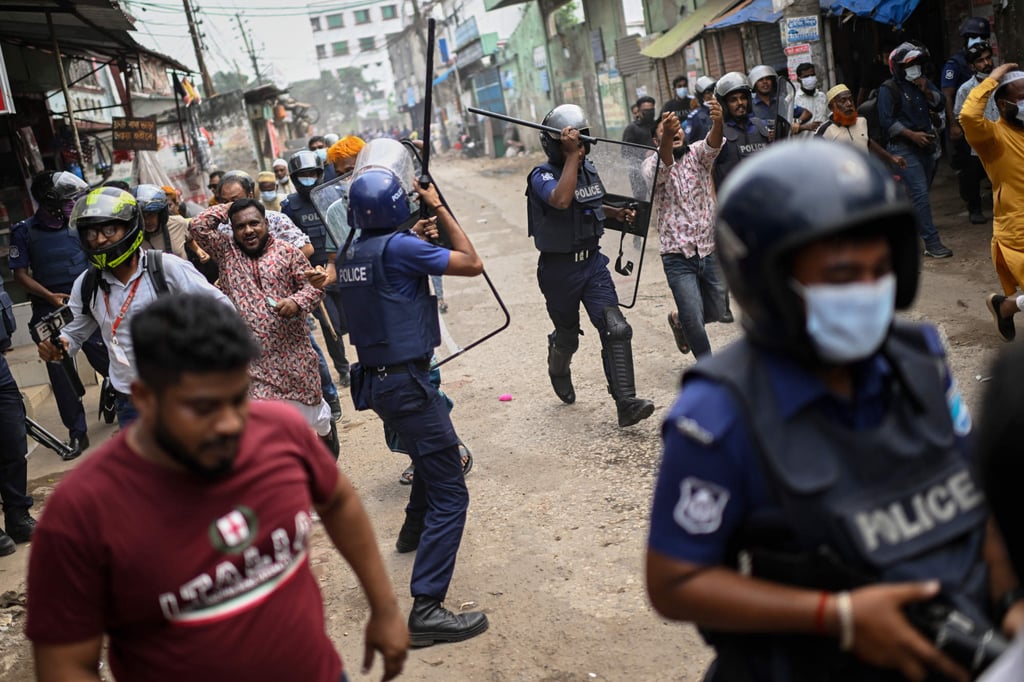
The ongoing Hasina saga comes as workers in Bangladesh’s crucial garment industry have been protesting over the past week to demand more than double their minimum wage.
Datta said that while the two issues were separate, many garment factories were owned by members of the Awami League.
According to Chandra, Dhaka would tread carefully in dealing with the protest to avoid compounding the challenges that it is already facing.
“The real risk is that disparate sources of discontent could accumulate, even without a coherent opposition movement. It remains to be seen whether the government can maintain public confidence, accommodate legitimate dissent, and avoid responding to political unrest with indiscriminate repression,” he said.
KioskNews shows a cleaned-up reading view extracted from the publisher’s page — the original always lives on their site, not ours.