Why Manila’s call for softer tone will not ease South China Sea tensions with Beijing
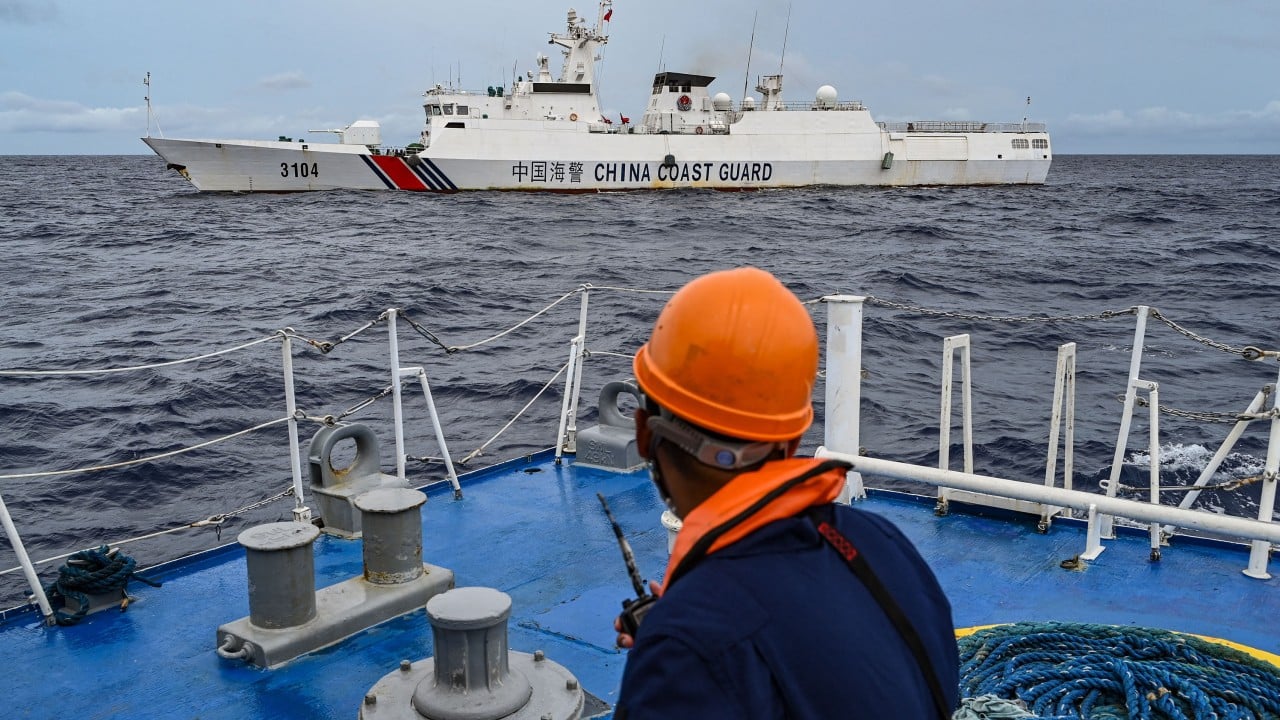
This was because the Philippine foreign ministry held minimal influence over actual maritime policy and enforcement operations, the South China Sea researcher said.
The assessment follows a rare public rebuke issued on Sunday by the Philippine ministry, cautioning officials against inflammatory rhetoric directed at China and calling for a unified foreign policy to maintain stable ties.
While the Department of Foreign Affairs did not name specific individuals, Philippine defence chief Gilberto Teodoro Jnr, one of the most outspoken critics of Chinese actions in the disputed waters, has often been singled out by China for damaging bilateral ties.
02:29
‘Stop grandstanding’: Beijing slams Philippine defence chief after minister exposes South China Sea note
In June, Beijing imposed sanctions on Defence Secretary Teodoro and his immediate family, barring them from entering mainland China, Hong Kong and Macau, and prohibiting Chinese entities from conducting business with them. The move came days after Beijing had urged Manila to take action to prevent “a few clowns” from sabotaging ties through repeated political theatrics.
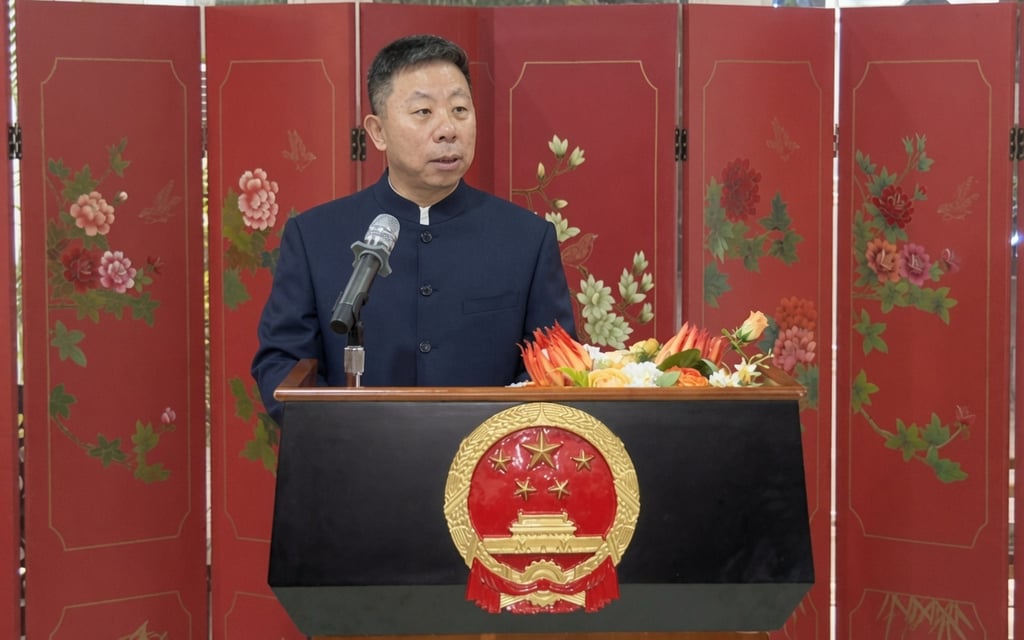
Already frayed ties deteriorated further in October after Chinese ambassador Jing Quan claimed Beijing could “easily win” if it wanted to use force, prompting Manila to summon him over the perceived threat.
The war of words escalated as Philippine lawmakers called for Jing to be declared persona non grata, while Beijing accused Manila of taking the envoy’s remarks out of context.
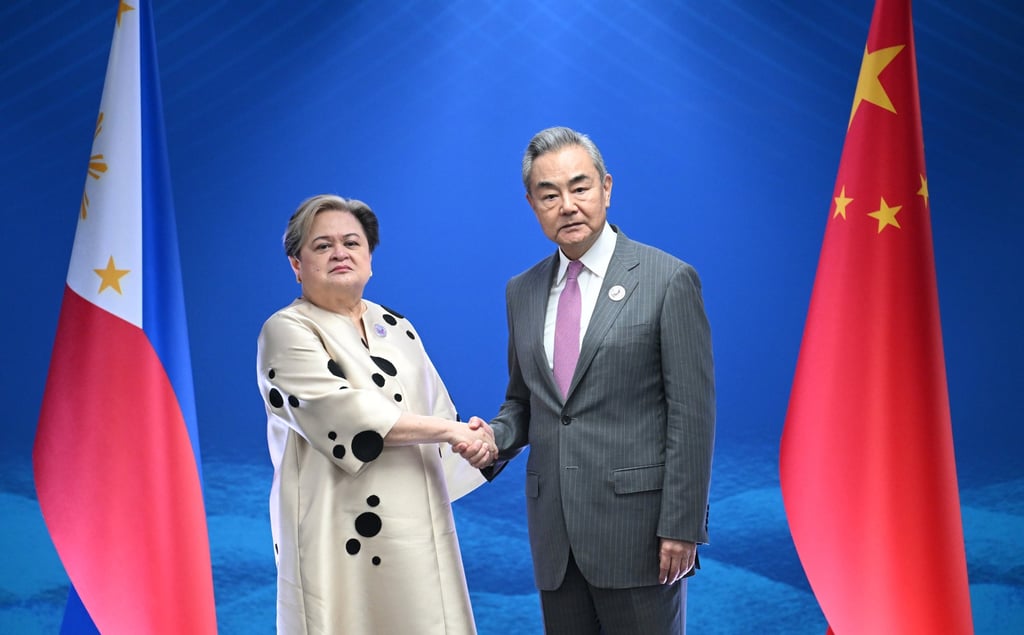
Manila’s internal reprimand on Sunday came close on the heels of Chinese Foreign Minister Wang Yi’s November 3 phone call with his Philippine counterpart, Theresa Lazaro.
According to the Chinese foreign ministry, Wang said “a handful of Philippine politicians, driven by political bias and selfish gains [had] repeatedly attacked and smeared China,” and urged Manila to rein in inflammatory public statements.
Chen Xiangmiao, a research fellow at the National Institute for South China Sea Studies, said Manila’s statement laid bare long-standing fractures within President Ferdinand Marcos Jnr’s administration, but doubted it would prompt any strategic pivot.
He said the Philippine ministry was responding to Beijing’s previous diplomatic protests and seeking to foster a more constructive atmosphere ahead of high-level regional gatherings, including next week’s Association of Southeast Asian Nations summit in Manila and the Asia-Pacific Economic Cooperation summit in Shenzhen, southern China.
“There have always been differences between the [Philippine] foreign ministry and the military and security departments,” Chen noted. “The statement is more about sending a message to the international community and China. It will not change things domestically.”
The foreign ministry emphasised in its statement that, under the Philippine constitution, the president was the chief architect of foreign policy, with individual officials and agencies barred from unilaterally steering engagement with Beijing.
“Diplomatic engagement is not appeasement,” it noted, cautioning that contradictory public remarks risked undermining Manila’s international credibility and eroding its negotiating position.
In her phone call with Wang last week, Lazaro affirmed that Manila sought “stable and predictable relations” and dialogue-driven dispute management, according to a statement from the Chinese ministry.
Chen said that while Marcos and his economic officials were keen to avert a further deterioration in ties – given that China was the Philippines’ largest trading partner and primary source of imports – their influence was overshadowed by the defence leadership.
“There are rational voices in the Philippines that want to maintain stable relations with China, including in the foreign ministry and the business community,” Chen said. “But these voices cannot steer the country’s decision-making at the moment.”
According to Chen, Marcos operates under constraints imposed by an assertive defence and security establishment that increasingly dictates frontline maritime policy, sidelining traditional diplomatic channels.
“Maritime operations will not stop,” Chen added, predicting that friction at sea would persist regardless of diplomatic posturing.
02:04
Philippines accuses China of firing a water cannon at its vessels for a second day
Maritime clashes with China have intensified sharply under Marcos, who has adopted a more assertive stance on Philippine claims compared with his predecessor. Repeated encounters between the two countries’ coastguard and maritime vessels have involved collisions and the use of high-pressure water cannons, damaging vessels and injuring personnel.
Beijing claims sovereignty over nearly all islands and rock features in the South China Sea and rights to their adjacent resource-rich waters. Manila says many of these disputed features lie within its exclusive economic zone.
Manila secured a 2016 arbitral ruling that dismissed the legal basis for China’s expansive maritime claims, but Beijing boycotted the proceedings and has consistently rejected the decision.
KioskNews shows a cleaned-up reading view extracted from the publisher’s page — the original always lives on their site, not ours.