Quote of the day by Judi Dench
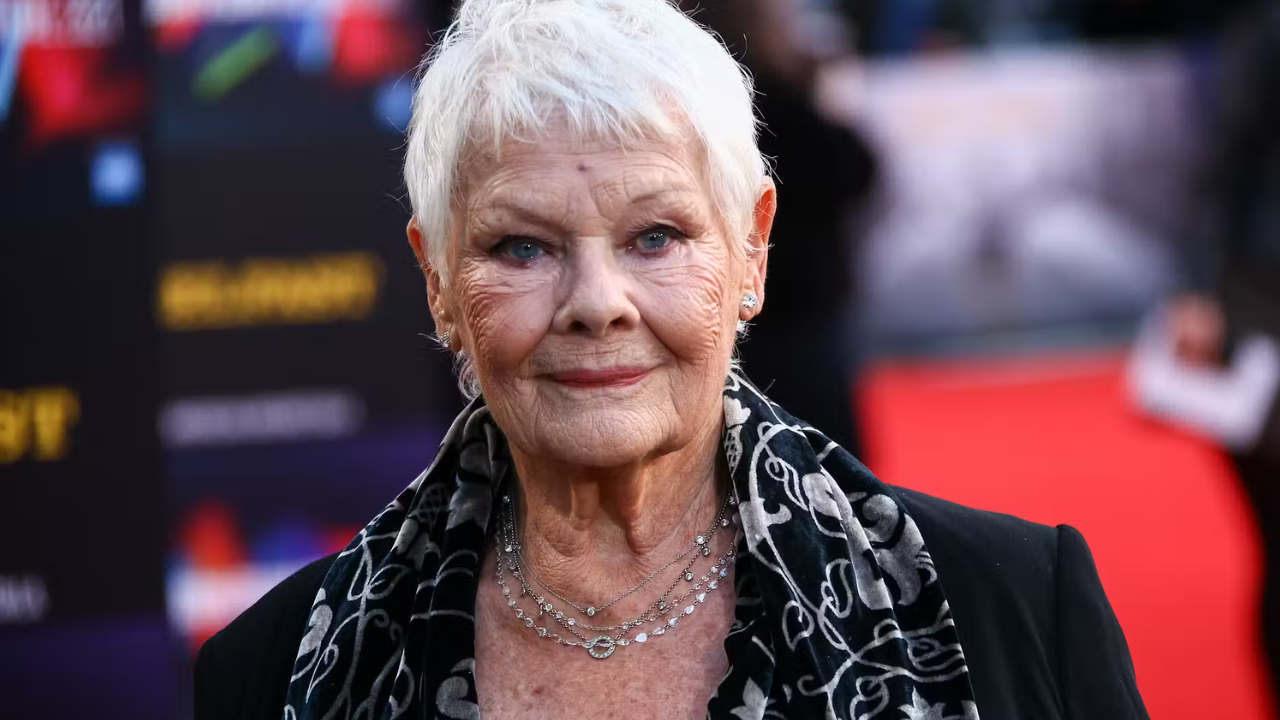
Quote of the day by Judi Dench(Image Credit: Instagram)
Judi Dench has spent much of her career playing characters who are anything but simple. From powerful figures to deeply complicated personalities, her performances have often explored the choices people make when emotions, relationships and difficult truths clash.
One of her most striking lines comes from a character who observes the lives of others with an unusually sharp eye. The thought behind those words is simple, but familiar to many of us.Today’s quote of the day by Judi Dench reads: 'It takes courage to recognise the real as opposed to the convenient.'
What does the quote by Judi Dench mean?
The line is spoken by Barbara Covett, the character played by Judi Dench in the 2006 film ‘Notes on a Scandal’. Barbara is someone who spends much of the story observing the lives and relationships of people around her.
Her comment touches on something quite familiar: knowing that a situation is not right does not always make it easy to accept. In the quote, “the real” stands for what is actually happening, even when it is unpleasant.
“The convenient,” on the other hand, is the version of a situation that is easier to live with. It could be staying in a relationship that has run its course, refusing to accept a poor decision or putting off a change because the present situation feels safer.
Once the situation is seen for what it is, there is a better chance of deciding how to deal with it and what direction to take next.
How is the quote by Judi Dench relevant today?
Admitting the truth doesn't come easy to many. Thus, people often look for a pleasant way out instead. The pressure from family, work, or difficult life choices can make people avoid or deny uncomfortable truths because facing them is hard.Facing reality does not mean viewing everything negatively.
It means heading on a path to accept the situation without denying reality. That honesty can be uncomfortable, but it can also prevent people from remaining stuck simply because change feels difficult.The quote also connects with personal growth. A person cannot work on a problem they refuse to recognise. Accepting what is real can therefore become the starting point for making a different decision, setting a boundary or moving forward.
Early life of Judi Dench
She was born on December 9, 1934, in York, England. She gained an interest in acting while growing up and later studied at London's Central School of Speech Training and Dramatic Art.In the 1950s, she began her professional stage career and gradually established herself as one of Britain's top actresses. Her early recognition came through theatre, especially with the Royal Shakespeare Company.Working in theatre allowed her to play many different types of roles.
Through different roles, she became known for expressing emotions convincingly and adapting to different characters, qualities that later became the hallmark of her film and television career.
Judi Dench’s rise to fame
In 1964, she made her film debut in ‘The Third Secret’. She continued to grow, gaining experience and achieving success in both television and theatre over many years. Her profile gradually expanded when she was cast as M in the James Bond film ‘GoldenEye’ in 1995.She returned as M in several Bond films and continued to balance the franchise with challenging dramatic roles. Her performance as Queen Victoria in ‘Mrs. Brown’ brought an Academy Award nomination, while her portrayal of Queen Elizabeth I in ‘Shakespeare in Love’ earned her the Oscar for Best Supporting Actress. Over the years, Dench also appeared in films such as ‘Chocolate’, ‘Iris’, ‘Notes on a Scandal’, ‘Philomena’ and ‘Belfast’.
Several of these performances brought her further Academy Award nominations and added to her reputation as one of Britain’s most accomplished actresses.
KioskNews shows a cleaned-up reading view extracted from the publisher’s page — the original always lives on their site, not ours.