MLB playoffs: Which Game 1 loser has best chance to win Wild Card Series? Why there's hope for Cubs, Phillies
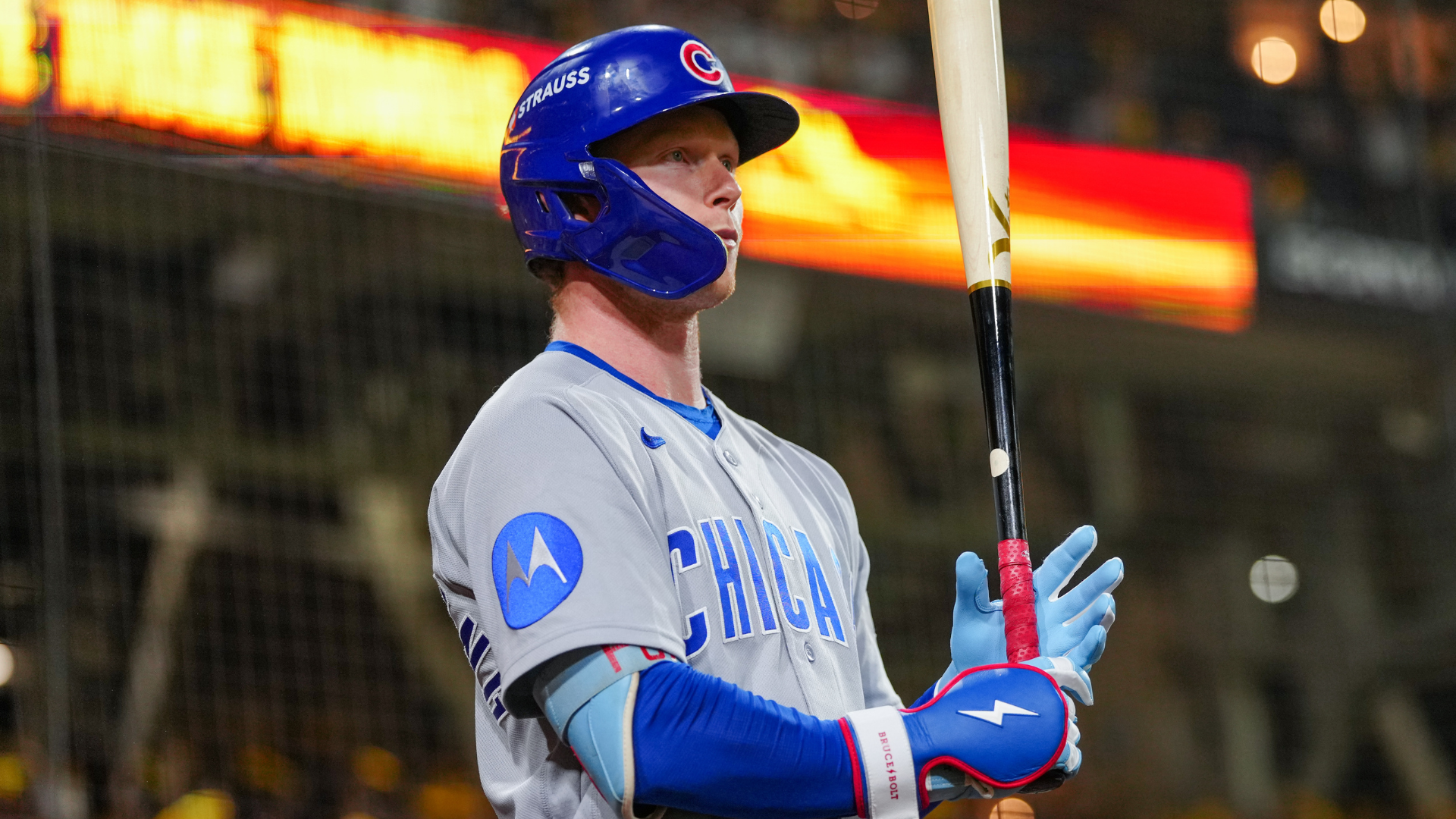
The Phillies, Astros, Red Sox and Cubs all need a win on Wednesday to keep their seasons alive in the best-of-three Wild Card Series

• 6 min read
The 2026 MLB postseason will continue Wednesday with the four Game 2s of the best-of-three Wild Card Series. Tuesday's action left four teams -- Atlanta Braves, Chicago White Sox, New York Yankees and San Diego Padres -- one win away from the Division Series. On the other side of things, four teams are one loss away from going home for the offseason: Philadelphia Phillies, Houston Astros, Boston Red Sox and Chicago Cubs.
Since this postseason format was adopted in 2022, only once in 16 tries has the Game 1 loser come back to win the Wild Card Series. That was last year's Yankees over the Red Sox, thanks largely to Cam Schlittler's sensational Game 3 performance. On only four other occasions did the Game 1 loser force a Game 3. To state the obvious, winning Game 1 is an enormous advantage.
History is not on the side of the Phillies, Astros, Red Sox and Cubs, but that's why they play the games. Here are the four Game 1 losers ranked in order of how likely we think they are to buck history and come back to win the Wild Card Series.
1. Chicago Cubs
Chicago had the best offense in baseball this season, and it will need to wake up after a dormant Game 1
The Cubs got shellacked in Game 1, and thanks to Michael King's ace-grade effort, the Padres didn't have to dip too deeply into their abundant reserves of excellent high-leverage relievers. As well, Game 2 starter Nick Pivetta has been lights-out for the Padres since returning from elbow woes. All that said, the Cubs are far from dead and buried.
Broadly speaking, it's reasonable to argue the Cubs are the better team in this series. Yes, the Padres finished a pair of games ahead of them in the standings. Look a bit more deeply, though, and you'll find the Cubs during the regular season outscored the opposition by an impressive 147 runs -- the third-best run differential in all of MLB. The Padres, meantime, outscored their opponents by a much more modest 41 runs. As well, the Cubs authored that far superior run differential against a tougher schedule, as measured by opponents' average winning percentage.
The Cubs are, of course, driven by their offense, which led the majors in OPS during the regular season. Yes, hitter-friendly Wrigley Field helps the offense's cause, but let's not forget the Cubs this season ranked second in MLB in OPS on the road. This is an offense that can hit anywhere. Furthermore, the Cubs ranked third out of MLB's 30 teams in OPS against right-handed pitchers, of which Pivetta is one. Therein lies the Cubs' best hope. Yes, the Chicago lineup got suffocated by King in the series opener, but this is an offense capable of finding its level at any moment. That has to happen Wednesday if the Cubs are to force a deciding Game 3. -- Dayn Perry
2. Philadelphia Phillies
After a gut-punch Game 1 loss, the Phils will give the ball to Cristopher Sánchez in Game 2
No doubt, Game 1 was a crushing loss. The Phillies were four outs away from stealing a Chris Sale start and interim manager Don Mattingly managed very aggressively, using closer Jhoan Duran in the seventh inning against the top of the Braves lineup. Austin Riley's go-ahead three-run homer in the eighth inning flipped the game and flipped the series. A crusher, it was.
The good news: Philadelphia will have Cy Young candidate Cristopher Sánchez on the mound in Game 2. Also good news: Atlanta won't have Chris Sale on the mound in Game 2. It will start deadline pickup Tyler Mahle, who turned his season around with the Braves thanks to increased splitter usage. He's not 1.99 ERA good, but he is improved. Mahle still isn't Sale, though.
Inside Don Mattingly's Jhoan Duran decision that backfired in Phillies' Wild Card Series Game 1 loss
Matt Snyder
The bad news: Duran figures to have some level of fatigue in Game 2 (I'm certain he'll be available despite throwing 27 pitches in Game 1), and the offense remains stuck in the mud. It's Chris Sale, I get it, but the Phillies had chances to tack on in Game 1 and didn't do it. They've combined for 13 runs in their past six games, and that includes a seven-run onslaught in Game 162. That ain't great.
The Phillies have the right guy on the mound in Sánchez, and I'd bet a shiny nickel Zack Wheeler makes an appearance at some point. Ultimately, home-field disadvantage and an offense that has been slumbering for a month now are two pretty big knocks against the Phillies. It's baseball, which means they have a shot to win the series, but this is an uphill battle for sure. -- Mike Axisa
3. Boston Red Sox
The Red Sox offense is scuffling as it faces Max Fried and a rested Yankees bullpen
Fresh off a Game 1 bashing, the Red Sox face a lot of headwinds against the Yankees. After getting dominated by Cam Schlittler in Game 1, Boston now has to face Max Fried with its season on the line. Fried on a rate basis has been one of the very best starting pitchers in all of baseball, both in 2026 and for his entire career (among active pitchers, just Chris Sale and Jacob deGrom have a better career ERA+ than Fried's 142 mark). No, the Yankees don't have back-to-back AL MVP Aaron Judge in this series, but the Red Sox still have the weaker offense. Overall, this season they rank 19th in OPS among MLB's 30 teams. In September, they were dead last in that same category. They're better against lefties, yes, but this is Fried. As well, the Yankees didn't have to use David Bednar, Brent Headrick, or lefty Carlos Rodón (working in relief this series) in Game 1, so the high-leverage arms are pretty well set up for Wednesday.
The Red Sox need Roman Anthony to stay alive vs. Yankees, but a nagging hand injury keeps derailing his season
Julian McWilliams

Add in the fact that young outfielder Roman Anthony had to depart the series opener with hand problems (the same injured hand that cost him so much of the current season), and things are not looking great for the Sox. The best hope is that veteran Sonny Gray shoves and lowers the bar for the struggling Boston offense. That may not be much of a hope, though. -- Dayn Perry
4. Houston Astros
Houston is at home, but an 81-81 team now needs two straight wins to save its season
Simply put, the Astros are at the bottom of our rankings because they're the worst of the four teams down 1-0. They went 81-81 and were outscored by 32 runs during the regular season, and they didn't even finish strong (11-13 in September). That isn't to say the Astros can't come back to win the series -- the White Sox are not the most imposing opponent -- just that they aren't a great team.
Houston does have a few things going for it in Game 2. Ace Hunter Brown will be on the mound. White Sox high-leverage guy Grant Taylor almost certainly will not be available after getting seven outs and throwing a season-high (by a lot) 54 pitches in Game 1. The Astros are at home too, and Daikin Park is a loud and intimidating ballpark in the postseason -- well, at least it has been. That's all good news for the Astros.
In the end, though, a team has to be at the bottom of our rankings, and the worst of the 12 teams in the postseason seems like a pretty logical pick for that spot. These Astros potentially going two-and-out in the Wild Card Series would not be the most shocking thing in the world. -- Mike Axisa
KioskNews shows a cleaned-up reading view extracted from the publisher’s page — the original always lives on their site, not ours.