How Singapore is preparing to keep its power grid reliable as demand grows
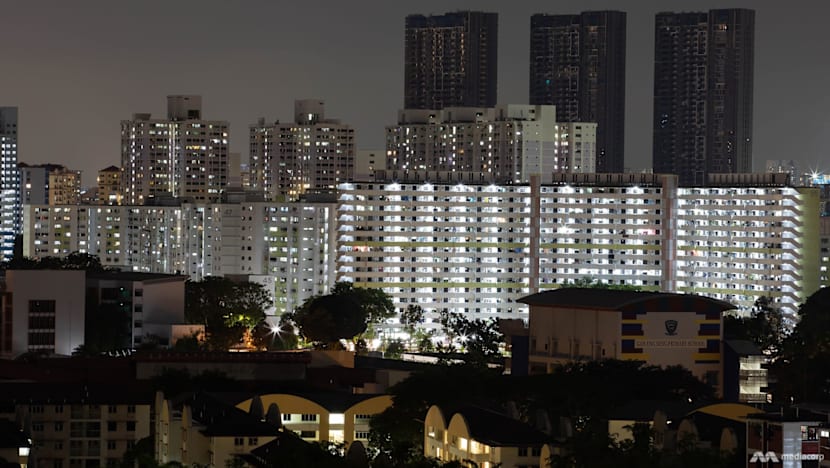
SINGAPORE: Singapore is taking steps to ensure its power grid can support increasing demand from data centres, advanced manufacturing facilities and other energy-intensive developments, while maintaining its high level of reliability.
This comes as Singapore's peak electricity demand is projected to grow by between 2.9 per cent and 6.5 per cent annually over the next decade, according to the Energy Market Authority's (EMA) 2026 demand projections.
EMA and SP Group say such preparations include long-term demand planning, grid upgrades and diversifying energy sources.
Speaking to CNA938 on Wednesday (Oct 21), SP Group vice president of asset planning and strategy Quek Swee Xian said this involves understanding not just how much electricity will be needed, but also where demand is expected to emerge and when it is likely to materialise.
The grid operator works with EMA to review electricity demand projections and other agencies such as JTC Corporation and the Economic Development Board to identify areas where demand is growing.
"It is not only about how much capacity is coming in, but more importantly where the demand is and also when it is coming, so that we can prepare ahead," Ms Quek said.
She noted that Singapore's electricity needs are changing amid a growing number of electric vehicles on the roads.
As of 2025, EVs made up 7.4 per cent of Singapore's total car population, reaching 49,262 vehicles – nearly double the 4 per cent share recorded the preceding year.
Industries with significant power requirements are also expanding, with Singapore home to 70 data centres.
The nature of Singapore's electricity grid is evolving as well.
Electricity traditionally flows in one direction - from power plants through the grid, and eventually to homes and businesses.
However, electricity now comes from more sources, Ms Quek said, referring to the increasing adoption of solar energy and battery storage systems, along with the possibility of more low-carbon electricity imports in the future.
"For example, a building with solar panels can now draw electricity from the grid and at the same time, send electricity back to the grid," she added.
With a more "dynamic and complex" electricity network, Singapore must therefore continue to develop sufficient capacity while renewing and strengthening the existing network that homes and businesses rely on.
KioskNews shows a cleaned-up reading view extracted from the publisher’s page — the original always lives on their site, not ours.