Fake Harvey Norman staff con Singapore victims of at least S$4.8m, say police
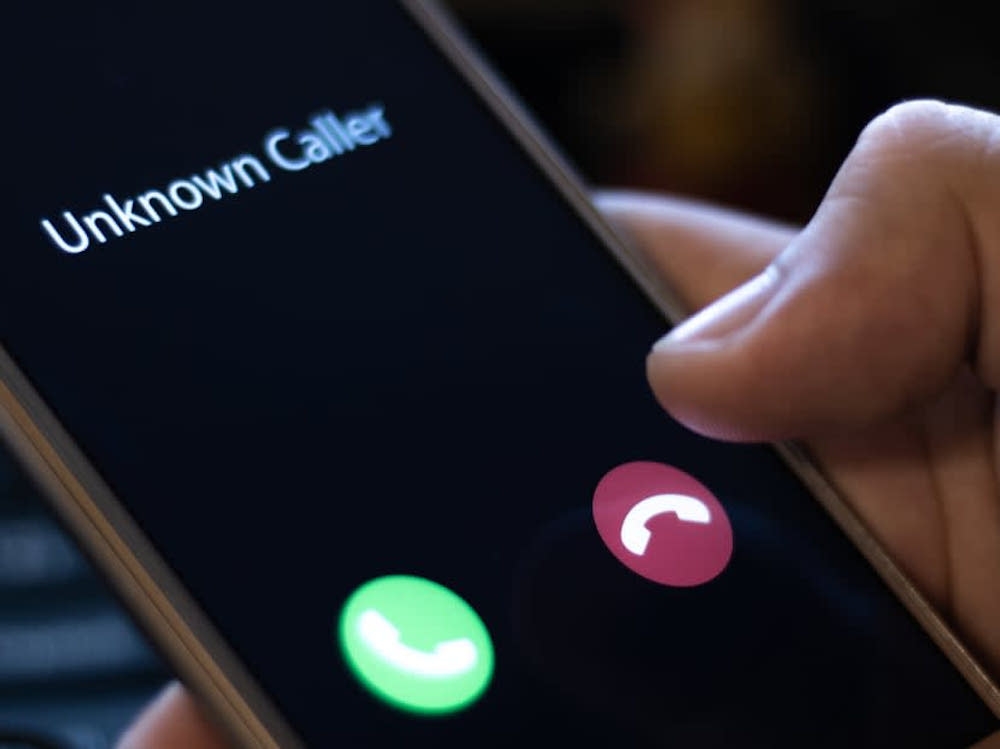

The police said on Monday that 119 cases had been reported this year, with victims targeted through unsolicited calls, according to CNA. — iStock pic
By Malay Mail
First Published: Tuesday, 22 Sep 2026 9:25 AM MYT
SINGAPORE, Sept 22 — At least S$4.8 million (RM15.3 million) has been lost in Singapore since January to scams involving fraudsters impersonating Harvey Norman employees, police said.
The police said on Monday that 119 cases had been reported this year, with victims targeted through unsolicited calls, according to CNA.
The scammers typically claim that the victims had purchased a television or had a delivery pending, before telling those who denied making the purchase that their personal information had been misused.
Victims are then connected to another scammer posing as an officer from the Monetary Authority of Singapore, who alleges that they are linked to offences such as money laundering.
Under the guise of assisting with an investigation, the victims are instructed to move their money into a so-called safe account.
Some are instead told to withdraw cash, purchase gold bars or hand over valuables including jewellery and luxury watches to people claiming to be involved in the investigation.
The scammers assure victims that their money and belongings will be returned once the purported investigation is completed.
Victims later realise they have been deceived after making multiple transfers without receiving the promised refunds.
Police reminded the public that Singapore government officials will never instruct anyone to transfer or surrender cash or valuables, provide banking login credentials, install mobile applications from unverified app stores, or transfer calls to police or other government agencies.
Members of the public can use the ScamShield app to help guard against scam calls and SMSes, while those unsure about a suspected scam can contact the 24-hour ScamShield helpline at 1799.
KioskNews shows a cleaned-up reading view extracted from the publisher’s page — the original always lives on their site, not ours.