‘People think you just snap out of it’: Women describe rebuilding life after abuse
For one mother of three, leaving an abusive relationship meant having to build her life again - and finding people who understood why that could take time.
“People think you just snap out of it, and that’s not true,” she told a WIZO conference in Tel Aviv on Tuesday. “I was looking for a sense of belonging.”
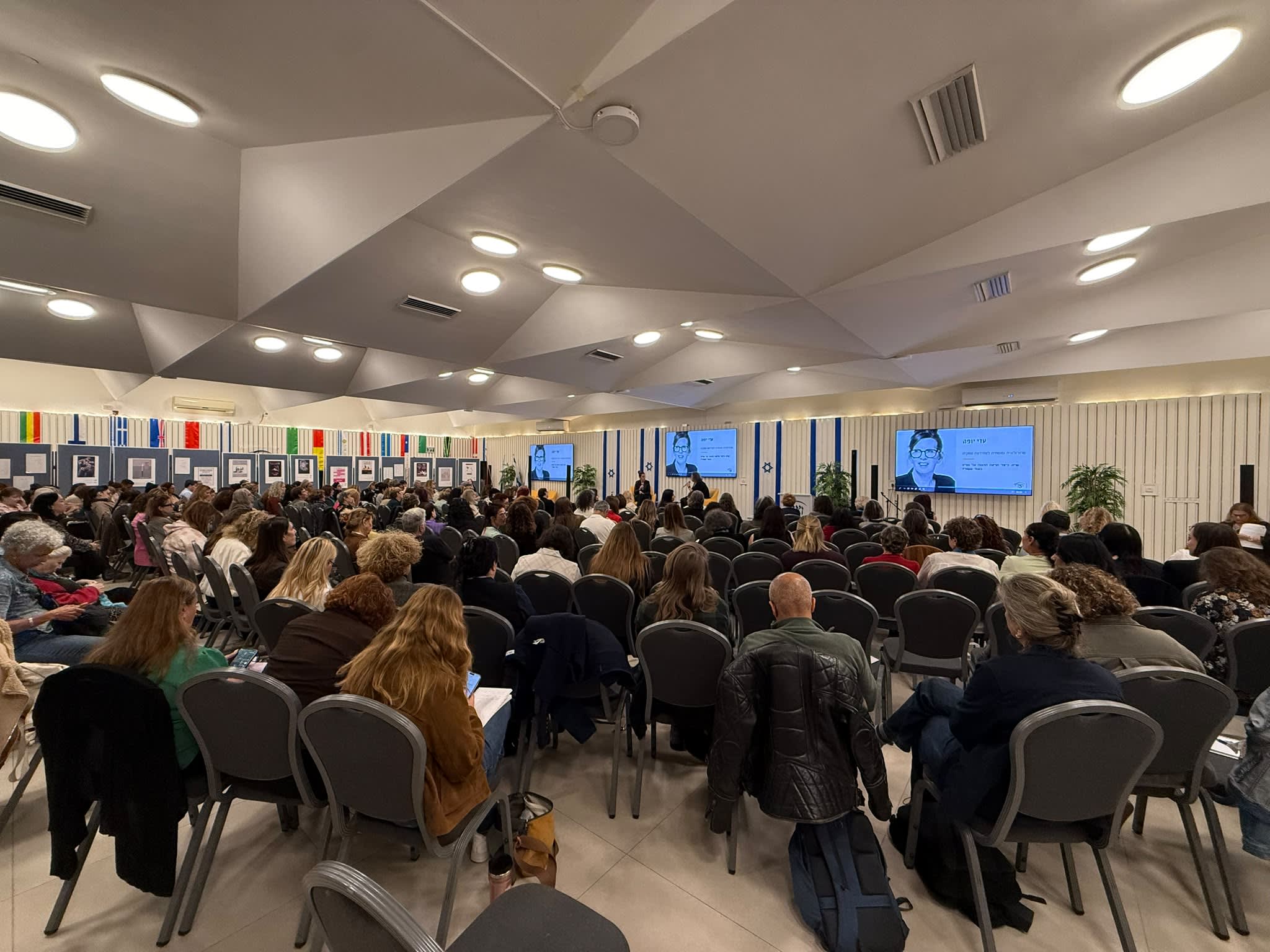
She was among three women who spoke about rebuilding their lives through Tzomchot Yachad, Hebrew for “Growing Together,” a WIZO program that supports women and their children after leaving abusive relationships or shelters. Their accounts focused on what comes after the immediate escape: managing daily life, helping children feel secure, and finding people who notice whether you are there.
The conference, held ahead of the International Day for the Elimination of Violence against Women on November 25, examined prevention, protection and rehabilitation. For the women on the panel, recovery meant more than physical separation from an abusive partner.
“I found women who went through similar situations. I found a community,” the mother of three said. “People waited to see me and wanted to take care of me.”
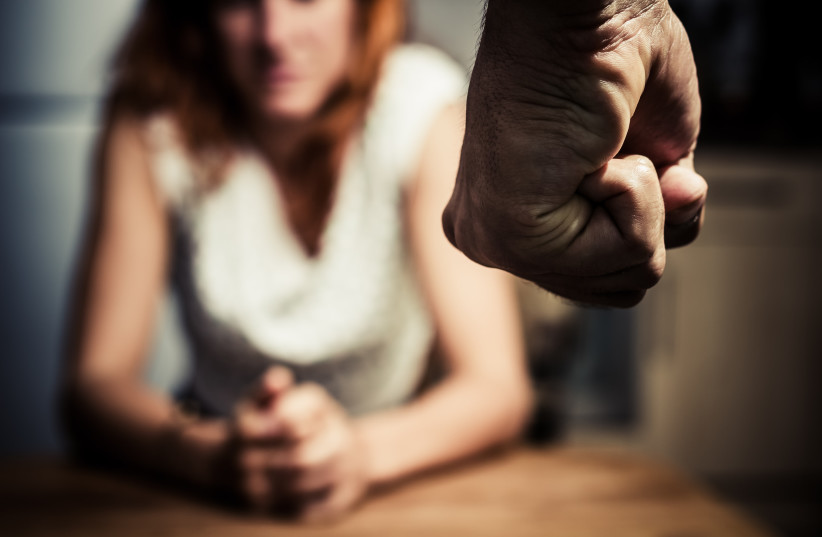
Loneliness was 'hardest thing' about leaving shelter, mother of two says
Another participant, a mother of two, described leaving a shelter with her children and confronting a different kind of difficulty.
“The hardest thing was the loneliness when we got out,” she said.
She described how abuse could erode positive feelings, and how difficult that experience was to explain to someone who had not lived through it.
“Tzomchot is not just a community; it’s healing and opportunities,” she said.
The program combines weekly meetings and volunteer support with help accessing rights and services, finding employment, and strengthening parenting. It is intended to build a continuing network around women and children as they establish independent lives.
The program includes 12 communities across Israel, supporting approximately 200 women who have left abusive relationships and approximately 300 of their children.
The difficulties the program addresses can be practical and emotional. WIZO describes women leaving shelters as having to find housing and work after their lives have been interrupted, sometimes while coping with debts or financial commitments incurred during the abusive relationship.
Workplaces can also help recognize distress and connect women to support, Dr. Shlomit Kaminka, founder and CEO of the Israeli Society for Human Resource Management, told the conference.
“Sometimes we’re the people that see them more than their families,” she said.
Regular contact gives managers and human resources staff opportunities to notice changes in an employee’s behavior, she explained. Kaminka described a training program developed by the association and WIZO to prepare human resources professionals to serve as workplace contacts on violence against women, recognize warning signs and help managers respond sensitively.
“The way to get things going is from the bottom-up, to set facts on the ground,” Kaminka said.
Yasmin Rubin-Cooper, director of Sheatufim’s Drawing the Lines initiative to prevent intimate partner violence, described growing involvement by grassroots organizations. She also emphasized that men must be involved in prevention.
Rubin-Cooper: Men are part of the solution
“Men are 50% of the population,” she said, describing them as part of the solution.
For a third participant in the Tzomchot Yachad panel, a single mother who said her son has special needs, joining a community also meant overcoming fears about how her son would manage.
He was not verbal at the time, she said, and she worried about leaving him in the other room during the group’s activities. A few months later, she described a child who was talking, taking part, and asking for his friends throughout the war.
She had immigrated to Israel alone. She said she had felt guilty about raising her son without strong family connections, but had found friendship and a sense of community through the group.
“I finally feel like I can spread my roots,” she said.
The mother of two also spoke about the time children need to develop trust and learn how to communicate after growing up around violence. Finding the right support for them after leaving a shelter, she said, took time.
Their accounts gave concrete meaning to a question raised by philosopher and educator Dr. Shimon Azulay, who spoke about communities as places of healing: whether a person feels able to shape their life, or feels that life is being shaped for them.
Azulay described how growing up with poverty or violence could teach passivity. He distinguished that from laziness, explaining that the issue was a person’s sense of influence over their own circumstances.
The discussion also addressed rebuilding a sense of security while living through war. The mother who had immigrated alone recalled her son continuing to ask for his friends during that period, while Kaminka spoke about women facing the trauma of abuse alongside national trauma.
Business futurist Adi Yoffe discussed planning under uncertainty. Looking toward the coming decade, she argued that anticipating the future requires examining forces beyond day-to-day concerns, including war, geopolitical and social change, and technological developments. These disruptions, she said, have made it harder to anticipate even the immediate future.
The conference also addressed the responsibility of the wider public. According to WIZO’s summary of a survey it commissioned, 81% of respondents rejected the idea that domestic violence was a private matter in which others should not intervene.
Half believed that domestic violence had increased since October 7.
World WIZO CEO Marsel Asulin said public willingness to act needed to be matched by the ability to recognize distress and offer appropriate help. She also called for a government response with clear policies, targets and budgets.
“The fight against violence against women cannot rely solely on public vigilance or the work of civil society organizations,” she said.
The women described sustained support as changing how the raised their children and rebuilt their own lives.
KioskNews shows a cleaned-up reading view extracted from the publisher’s page — the original always lives on their site, not ours.