Does Singapore’s tougher stance on haze mark an inflection point?
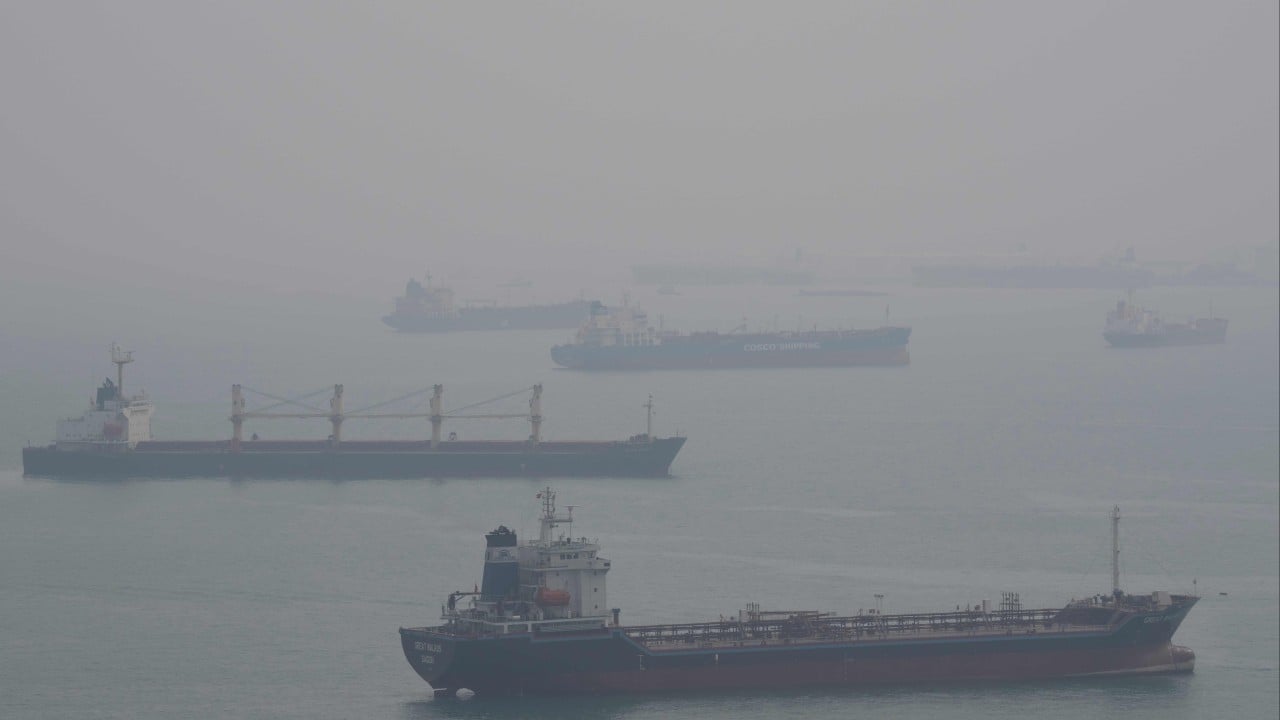
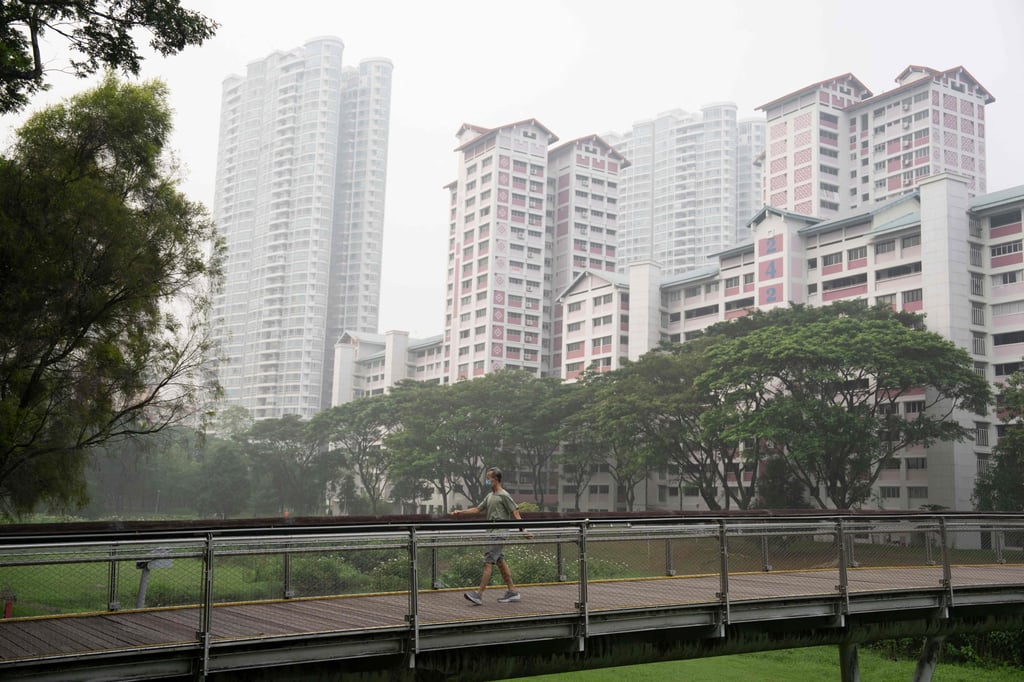
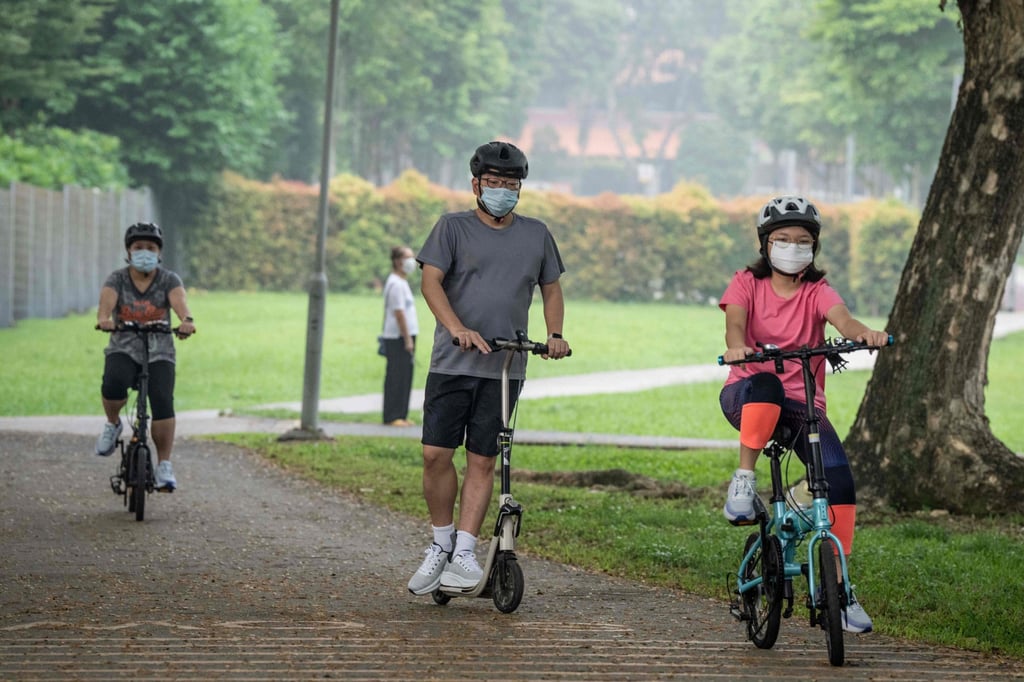
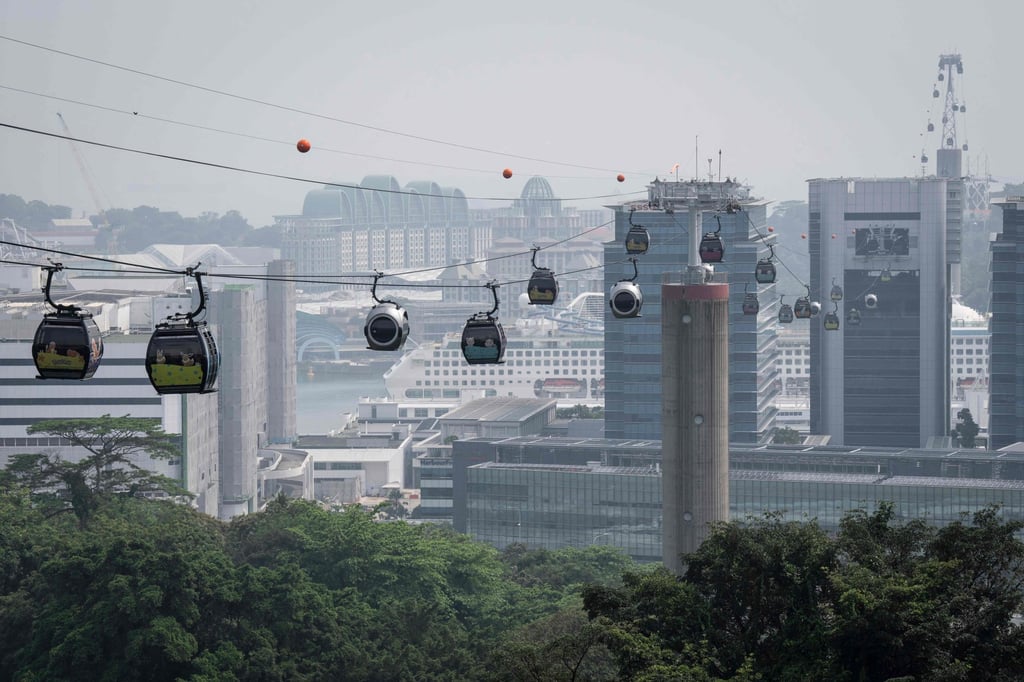
Singapore has warned it will go after companies responsible for the forest fires in Indonesia causing the regional haze, but cross-border challenges remain stumbling blocks to solving a problem that has plagued the city state for decades.
Analysts point to long-standing obstacles hampering the country’s decade-old haze legislation, such as complex corporate ownership and opaque transboundary supply chains. To date, no company has been prosecuted under the law.
Beyond legal threats, greater accountability is needed from corporate boards and investors, observers add. The renewed push has reignited tensions over state ownership, with a former Indonesian minister challenging Singapore to take hard action against companies with business links to the city state.
On Monday, Singapore’s Coordinating Minister for National Security K Shanmugam told local media the country would use “every legal and regulatory lever” at its disposal to “exert pressure where it matters – including on [companies’] bottom lines, including on their access to financing, and including on their standing with investors”.
Shanmugam, who is also home affairs minister, said the city state would change or introduce laws on an urgent basis to ensure further cooperation.
“Companies cannot claim to be environmentally responsible while refusing to subject themselves to scrutiny. Their claims must be backed by evidence, not just words. They cannot greenwash their behaviour,” he warned.
Companies would not be able to simply wait for the haze to clear and return to business as usual, he added. “We will pursue this matter for as long as it takes.”
As of Monday, Singapore sent notices under its Transboundary Haze Pollution Act (THPA) to 10 companies with plantations in South Sumatra and Kalimantan.
Felicia Liu, a senior lecturer in sustainability at the University of York, called the issuance a “significant step”, but said “the real test is whether this translates into meaningful investigations and enforcement where accountability can be established”.
THPA, which came into force in 2014, allows authorities in Singapore to hold companies responsible for causing or contributing to haze pollution in the city state even if the activities take place overseas.
It allows the state to require a person to provide documents or information, and can issue preventive notices. Citizens or businesses badly affected by the haze can also hold the haze-linked companies to account under the Act. If found guilty, firms can be fined up to S$100,000 (US$78,245) a day, capped at a total of S$2 million.
But an increasingly complex structural setting and the ambiguity of accountability made it fundamentally difficult for Singapore to take action, said Lawrence Loh, director of the Centre for Governance and Sustainability at the National University of Singapore Business School.
“Responsibility attribution is made even more difficult when there are subsidiaries, special-purpose vehicles, nominee ownerships, joint ventures and independent suppliers,” he said.
No company has been fined or sued under the law. In 2015, Singapore issued notices to six companies under THPA and subsequently closed two cases. In response to queries, the National Environment Agency said investigations into four companies – Bumi Andalas Permai, Bumi Mekar Hijau, Sebangun Bumi Andalas Woods Industries and Rimba Hutani Mas – remained ongoing.
Loh acknowledged the challenges in implementing THPA, such as gathering evidence across borders. “It is even more difficult to enforce the law as external parties in other countries cannot control investigations and legal processes in the country where forest-burning occurs,” he said.
Shanmugam said in his press conference that manufacturing giant Asia Pulp and Paper (APP) bought from three of the companies that received notices.
This Week in Asia has contacted APP for comment.
The minister also noted that some of the fires or smoke-source points seemed to be associated with Singapore-listed palm oil producers First Resources and Bumitama Agri, and First Borneo Plantations, and said authorities would be asking more questions of these companies.
Former Indonesian trade minister Muhammad Lutfi addressed Singapore leaders in a social media post on Monday, saying: “Don’t write letters just to make your constituents and voters happy.”
He noted that of the seven companies listed, Bumi Andalas Permai, Bumi Mekar Hijau, SBA Wood Industries and Bangkanesia were “suppliers to conglomerate groups with massive corporate holdings and listings” in Singapore and urged authorities to take action against those with offices in the city state.
“Singapore has no jurisdiction in Indonesia, and you know it. So, if you truly believe you have jurisdiction over these groups, then just charge them. No need to threaten and announce at a press conference. Prosecute their headquarters in Singapore and show us what Singapore is really made of,” Lutfi said.
His remarks struck a nerve among Singaporean social media users, with many accusing him of shirking responsibility and pushing blame to the city state.
Calvin Cheng, a former Singapore nominated member of parliament, fired back on social media that Indonesia was “turning the narrative” onto Singapore. “Indonesia officials use Singapore as the bogeyman whenever something bad happens.”
Loh said the perennial problem was less a policy inadequacy than a failure in business incentive and corporate governance.
“Boards of directors and senior management must play critical roles beyond passive oversight,” he said. “Statements are not enough and they do not absolve the companies from responsibility in the forest burning and haze situation.”
Liu said while Singapore’s individual efforts were not sufficient to solve the systemic crisis, it had an “important opportunity” to lead in corporate environmental accountability.
“The Transboundary Haze Pollution Act alone will not improve accountability in the agroforestry sector overnight,” she said.
“Singapore’s financial sector must also step up on its demands for disclosure and accountability in investment chains to ensure that Singapore, as the region’s financial hub, is not bankrolling haze.”
KioskNews shows a cleaned-up reading view extracted from the publisher’s page — the original always lives on their site, not ours.