Energy bills to rise by £443 in shock new forecast
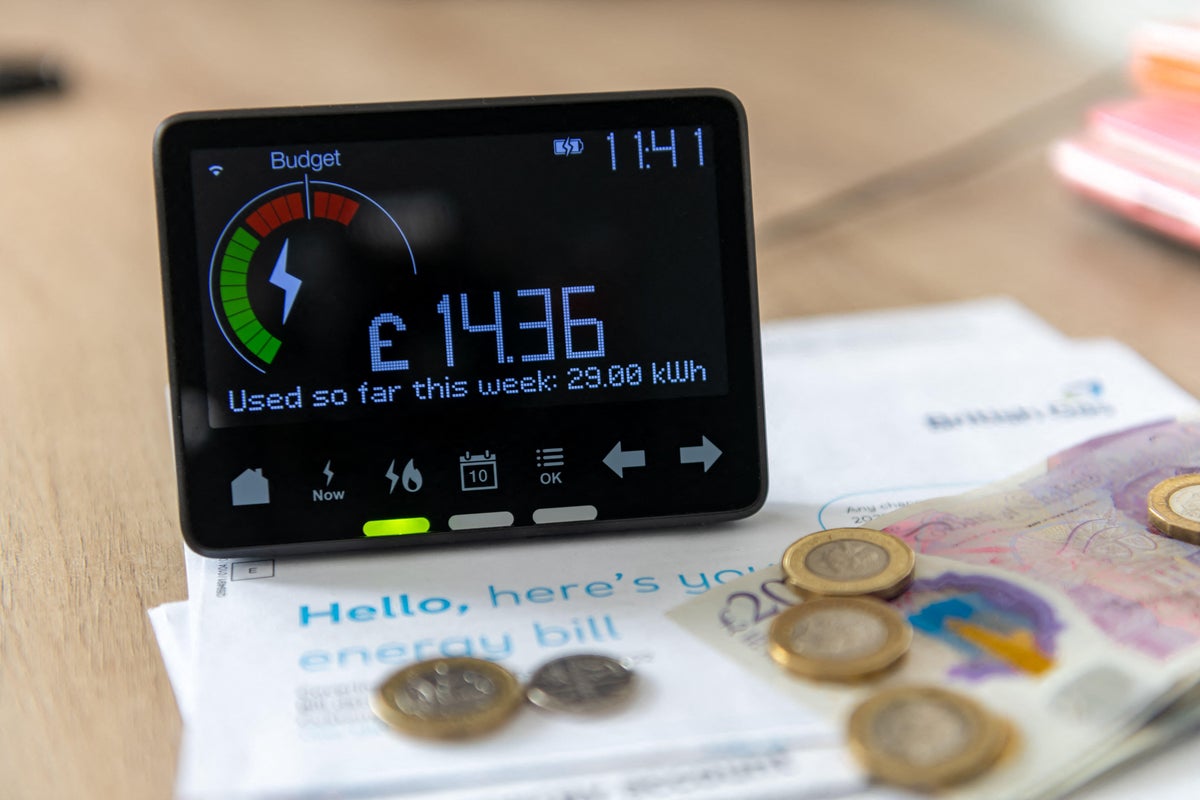
Household energy costs are set to soar by more than a quarter in January as experts warned a typical bill could jump by more than £400 due to the Iran war.
Experts at Cornwall Insight have predicted Ofgem’s energy price cap will rise by 26 per cent to £2,166 a year on January 1, up £443 on the level between October and December to hit the highest since 2023.
It said the government’s £100 household energy payment announced in the Budget for homes in council tax bands A to D in England is not included in the forecast because it is a one-off payment made outside the price cap.
Ofgem will announce the quarterly price cap level for January to March on November 25.
Releasing the forecast, Craig Lowrey, retail markets principal at Cornwall Insight, said: “After already climbing in October, energy bills look set to rise again in the new year, and the timing could hardly be worse, with colder weather in January pushing up energy use and households already dealing with the cost-of-living crisis.”
The market intelligence firm says that rising costs continue to be driven by conflict in the Middle East, with oil and gas trade disrupted worldwide since February.
Mr Lowrey said: “Once again, the cause lies thousands of miles away, yet another reminder of how events beyond our control have a very real impact on our energy bills.
“While the £100 Household Energy Payment and the removal of VAT from electricity bills will be welcomed, ultimately this support can only chip away at the edges of a bill that continues to be pushed up by events in the Middle East.”
Official figures released on the same day as the forecast show that inflation in the UK reached 3.6 per cent in August, which analysts say is driven primarily by rising energy costs.
Sophie Hale, research director at the Resolution Foundation, said: “Another global energy shock has delivered a further blow to UK living standards in October, pushing inflation up to its highest level in a year.
“The worst may be yet to come as energy costs spread to the prices of other goods and services. Any further support this winter must be more accurately targeted at the households who need it most.”
KioskNews shows a cleaned-up reading view extracted from the publisher’s page — the original always lives on their site, not ours.