8 Near-Perfect Fantasy Shows Inspired By C.S. Lewis

Faith Roswell is a Senior Writer on Screen Rant's Classic TV team. Since earning her degree in Creative Writing over a decade ago, Faith has written articles on film and TV from a variety of different angles. Faith now combines her knowledge of psychology with her love of monster movies to give more insight into what makes the best ones.
You may have read her Screen Rant lists and features covering horror, sci-fi, and fantasy, or read her Amazon Top 10 book, "Movie Monsters of the Deep."
Faith has had an extensive career as a writer, appearing on BBC live radio, researching true crime for Rotten Mango podcast, and writing for publications including Mental Floss, Atlas Obscura, and The Daily Jaws before beginning here at Screen Rant.
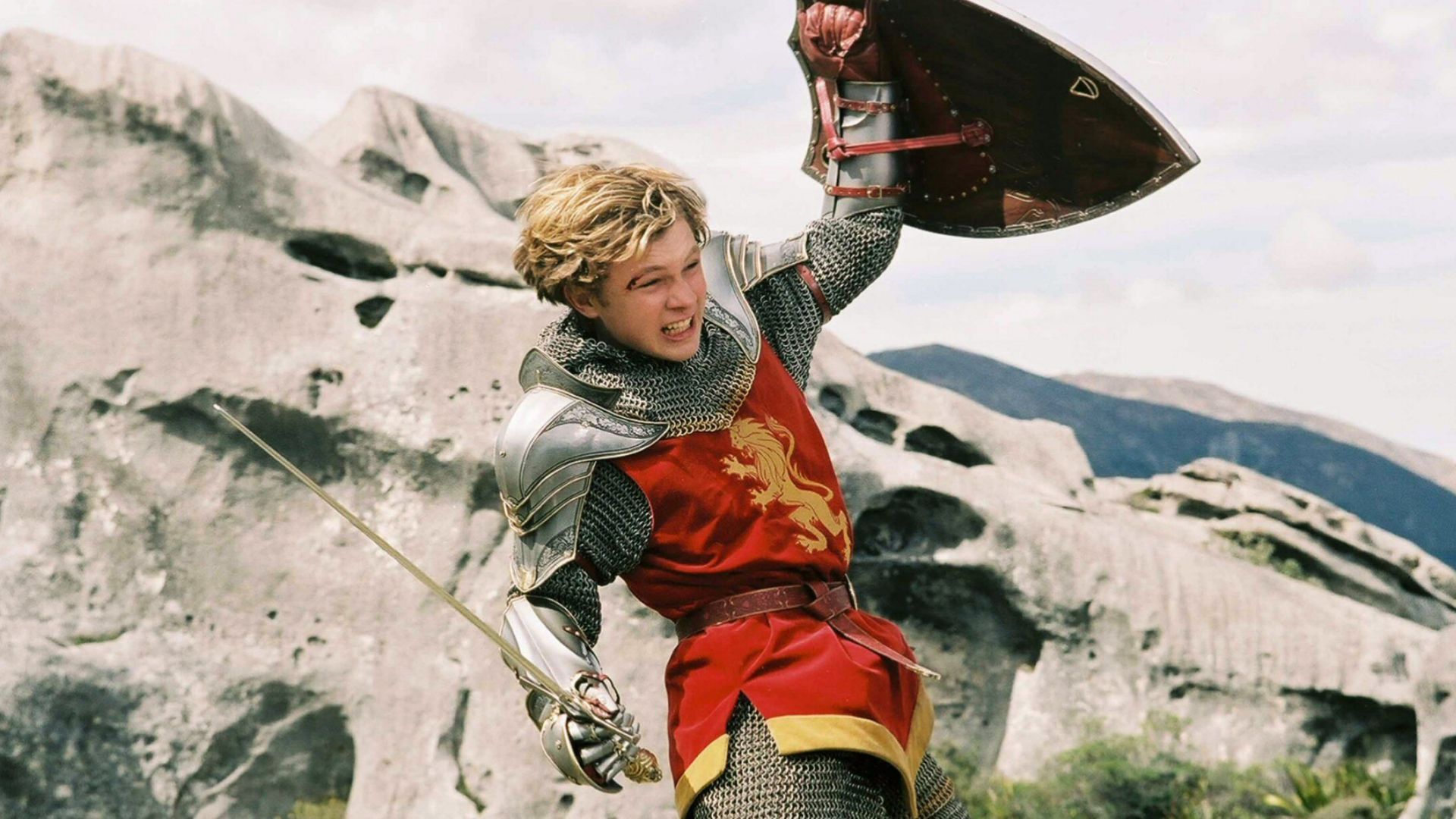
Few fantasy authors can be considered so groundbreaking that they have continued to influence the genre decades later, but C. S. Lewis is undoubtedly one of them. Many creators have been unable to resist adapting The Lion, the Witch, and the Wardrobe, his best-known book in The Chronicles of Narnia series, but Netflix's upcoming movie The Magician’s Nephew will put a new spin on the saga by bringing a previously-unadapted book to the screen. That said, these overlooked parts of Narnia's story have provided just as much inspiration as the more well-known ones, as the series grows surprisingly dark.
At first glance, the world created by C. S. Lewis is charming and childlike, filled with exciting people, hidden magic, and with an unpredictable timeline. However, The Chronicles of Narnia has a gut-wrenching twist that changes events when re-reading the series, and this provides endless inspiration for some of the best fantasy TV shows of all time. This has ranged from lighthearted "portal" fantasy in which characters discover new worlds through a magical door, to dark fantasy that leans into Narnia's horror aspects, with some very unexpected TV shows taking inspiration from the iconic book series.
The Wingfeather Saga

With a 97% positive audience rating on Rotten Tomatoes, The Wingfeather Saga is one of the best fantasy shows you have never heard of, and fans of C. S. Lewis' Narnia books should watch it at least once. The show is based on Andrew Peterson's novel series of the same name, which follows the adventures of the Igiby family, who discover that they have secret royal heritage in a fantasy world full of strange creatures. Narnia fans may already be drawing parallels to the Pevensie family, who also become kings and queens.
Peterson told Crosswalk about his experiences reading The Chronicles of Narnia to his own children and being inspired to write his own books. As a Christian, he admired the way the stories were reflections of familiar Bible tales, but explains, "I wasn't trying to write a Christian fantasy series. I wanted to write the very best adventure story I could write." As some find C. S. Lewis' work to be too on-the-nose, The Wingfeather Saga is an alternative that shares DNA with Narnia but breaks away from allegory and focuses on pure adventure and wonder.
The Magicians

The Magicians' author Lev Grossman has often cited C. S. Lewis as an inspiration for his dark fantasy series, which is all too often and frustratingly compared to Harry Potter. The Magicians is set within a magical school, but follows a very different path from Harry Potter and includes plenty of self-aware references to highlight this. Instead, watching the series feels like experiencing a more mature version of Narnia, with the central characters discovering the magical world of Fillory, which is in danger and needs their help.
Grossman has expressed his complicated feelings about The Chronicles of Narnia after growing up, and told Salon that The Magicians feels like "having a conversation" with C.S. Lewis, filling in the gaps that Narnia left when preparing him for life as an adult. The characters in The Magicians bring their personal demons with them and discover that magic does not solve their problems, instead being much harder work than most fantasy shows portray. This more grounded approach made The Magicians a fantasy masterpiece that is a must-watch for people who love both Narnia and dark fantasy.
Doctor Who
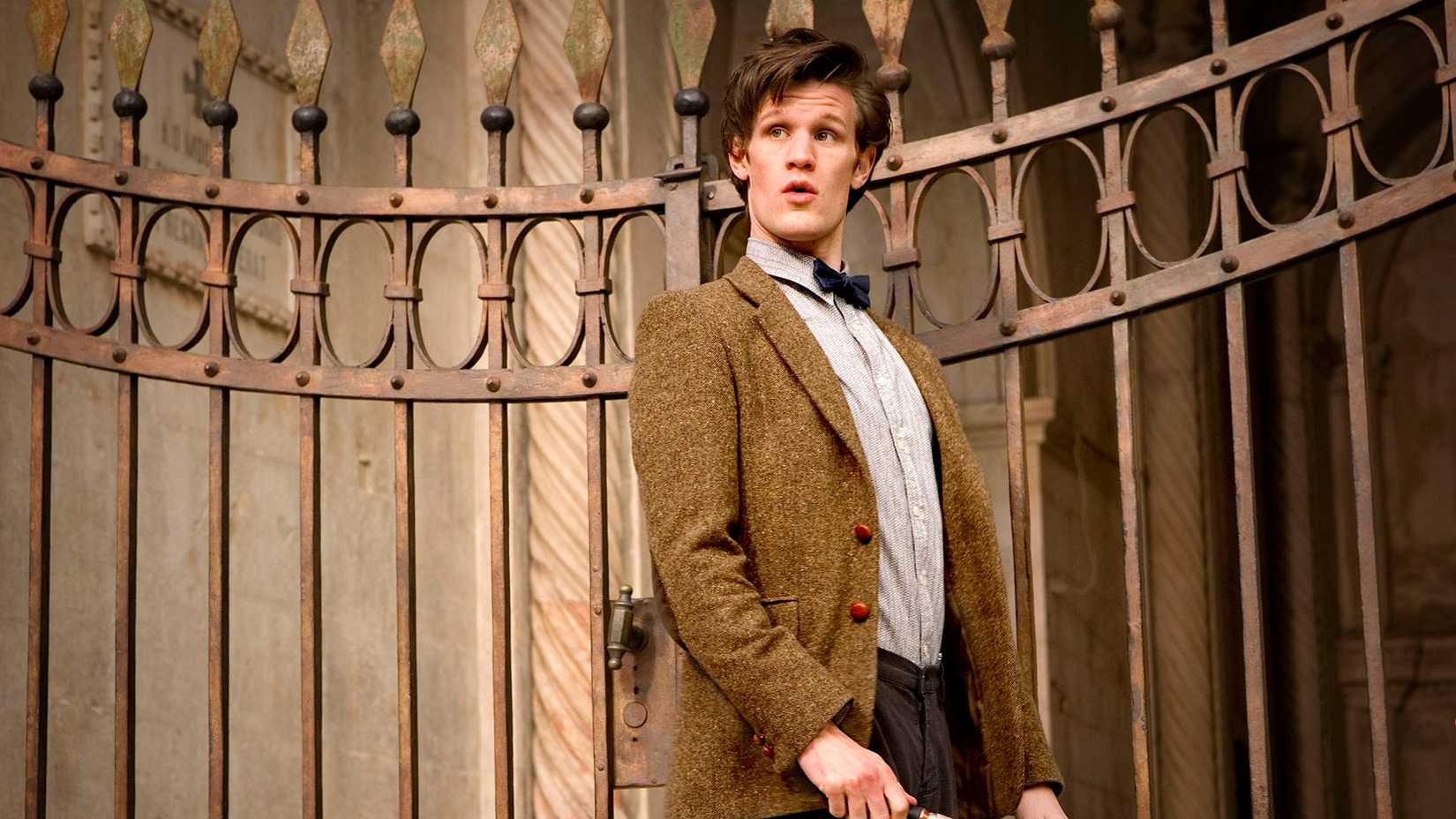
Doctor Who might usually be considered sci-fi, but the series has taken inspiration from virtually every genre in existence since it began airing in 1963. The various regenerations of the show's titular Doctor enter fantasy multiverses on a regular basis, and the series often includes Easter eggs in its multilayered plot, as well as more obvious references, like the Narnia-inspired Christmas special, "The Doctor, the Widow, and the Wardrobe." Doctor Who's Christmas specials have always varied in quality, but this one polarized critics and audiences, receiving a perfect 100% Rotten Tomatoes score from critics, while audiences gave it 59%.
The Doctor is taking care of the widowed Madge and her two children, Lily and Cyril, planning to give them an unforgettable Christmas present by taking them to a snowy Narnia-like land through a portal. However, when Cyril wanders through early, Madge, Lily, and The Doctor enter in pursuit, discovering that the land is about to be destroyed. The episode was praised for its powerful performances, but criticized for the lack of a villain as frightening as The White Witch.
Over The Garden Wall

While C. S. Lewis has never been explicitly credited as an inspiration for Over the Garden Wall, the show contains so many parallels with his books that it may be one of many creative works that has been indirectly influenced by The Chronicles of Narnia. Often described as the best fantasy miniseries of all time, the series follows two brothers, Wirt and Greg, who get lost within a strange forest called The Unknown. Both Narnia and The Unknown can be extremely sinister, and the central stories both deal with coming-of-age themes, but the similarities do not end there.
Question 1 of 3
Narnia's timeline is erratic, with characters stepping away for a few seconds and discovering that years have passed in Narnia. Wirt and Greg discover the same, arriving home just seconds after they leave, despite having adventures that appear to have lasted for days or weeks. Both stories involve a main character's apparent sacrifice, with the character in Over the Garden Wall adopting a Christlike pose, while Narnia's Aslan literally represents Jesus Christ. Finally, just to underline the potential Narnian inspiration, Wirt and Beatrice spent one scene hiding in a wardrobe.
His Dark Materials

To say that Philip Pullman was inspired by C. S. Lewis does not paint the full picture, as Pullman's His Dark Materials trilogy was deliberately written to be a response to a work of fantasy that he famously loathed. BBC News reported Pullman describing The Chronicles of Narnia as "a peevish blend of racist, misogynistic and reactionary prejudice," feeling that the stories present childhood as a golden age that growing up then ruins. His Dark Materials succeeded in doing the exact opposite, with the protagonist, Lyra Belacqua, discovering her power in the world through growing up.
The movie adaptation was heavily criticized for sanitizing Pullman's critique of organized religion, while the TV series took risks that paid off, becoming a fantasy masterpiece in the process. His Dark Materials is set within several worlds accessible through portals, but traveling between them comes at a price. Both stories feature religious symbolism and children who challenge an established order, but His Dark Materials can be seen as the "anti-Narnia," and is one of the most fascinating series in this list for its entirely opposite approach to the subjects that C. S. Lewis explored.
Stranger Things

The Duffer Brothers made Stranger Things as a homage to 1980s culture, with references to movies like The Neverending Story and Ghostbusters, but The Chronicles of Narnia had clearly been on their minds too, albeit in a more subtle way. In an interview with The Wrap, Matt Duffer described the final season of Stranger Things as "closing the door on Narnia," drawing parallels between the coming-of-age plots in both stories. Both feature a portal to another world, with its eventual absence marking a change in the central characters, who must then find fantasy and wonder in their own world.
Stranger Things changed streaming forever through its 1980s nostalgia, but it could also be described as a blend of The Chronicles of Narnia and H. P. Lovecraft for the way the show blends cosmic horror into fantasy, with its found family dynamic replacing Narnia's sibling relationships. While the story may not have been written with C. S. Lewis' iconic series in mind, Stranger Things still reflects its timeless themes, and is a modern must-watch for all fantasy fans.
Lost

The genre-defying mystery box TV series Lost bears no resemblance to The Chronicles of Narnia at first glance, with the show following a huge cast as they explore their surroundings, having survived a plane crash onto an unknown island. That said, the show's executive producers read many of the same books growing up, and incorporated references to over 70 sci-fi, philosophy, and fantasy books onscreen, including Narnia. The season 4 character Charlotte Staples Lewis is a direct reference to C. S. Lewis, with producer Damon Lindelof explaining to Entertainment Weekly that this reflected the direction the season would take.
The Chronicles of Narnia explore human nature, religion, and morality in a very simplistic way, which is understandable with the books being aimed at a very young target audience. Lost deals with the same themes but in a much more mature way, making the series the perfect binge-watch for people who enjoyed the Narnia books as children, but have grown up to also enjoy sci-fi and are looking for a new take on the same ideas.
The Owl House

C. S. Lewis' influence on The Owl House is apparent from the first episode, which is called "A Lying Witch and a Warden." The Owl House might be described as "Harry Potter meets Adventure Time," but it openly mocks Harry Potter while embracing the escapism of Narnia in a more contemporary way. The story follows Luz, who stumbles through a portal and finds herself in a fantasy world where strange creatures and magic are part of everyday life.
The Owl House has a 100% critics' rating on Rotten Tomatoes.
Like Narnia, The Boiling Isles is not always the safe place that it might seem, and Luz finds herself challenging authority just as the Pevensie children do. While The Chronicles of Narnia is a product of its time and includes some extremely outdated attitudes to race and sex, it is well-intentioned, and The Owl House runs with the series' moral core and updates it for a modern audience, reinforcing the idea that being different is not necessarily a bad thing.
Source: Crosswalk, Salon, BBC News, The Wrap, Entertainment Weekly
KioskNews shows a cleaned-up reading view extracted from the publisher’s page — the original always lives on their site, not ours.