6 Kids Movies From The Early 2000s That Hit Completely Different As An Adul

Sky Blanton is a Movie Contributor at ScreenRant with professional experience covering movies, television, and pop culture. Her published work spans news, interviews, features, and opinion pieces, with a focus on film, franchise storytelling, and the entertainment industry.
She earned her bachelor's degree in Communications with a concentration in Professional Writing and a minor in Business Writing from Southern New Hampshire University.
With the back-to-school season upon us, families may be looking for an easy way to wind down the summer together and smooth over into the transition of routine. For anyone who grew up in the early 2000s, that can be as simple as putting on a movie that was once a staple of sleepovers, lazy weekends, or summer afternoons.
The funny thing about going back to these movies as an adult is how much can change without the movie changing at all. A joke that went over your head suddenly lands, a parent who seemed unreasonable starts making perfect sense, and a scene you barely remember can hit surprisingly hard. Some childhood favorite movies really do feel different once you are old enough to see what they were saying.
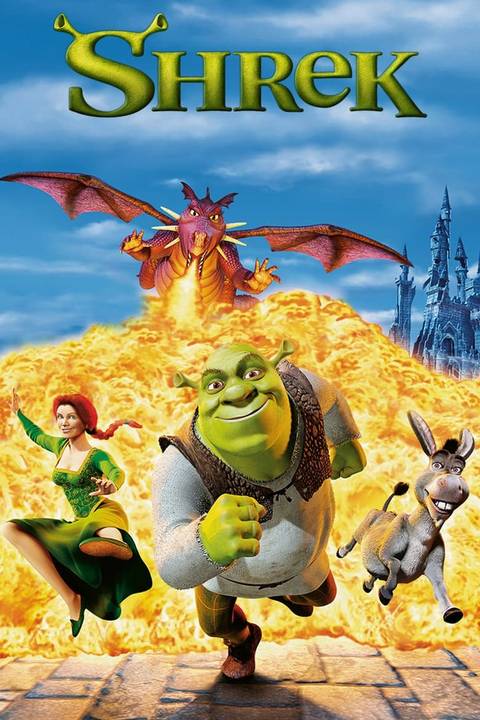
6 Shrek

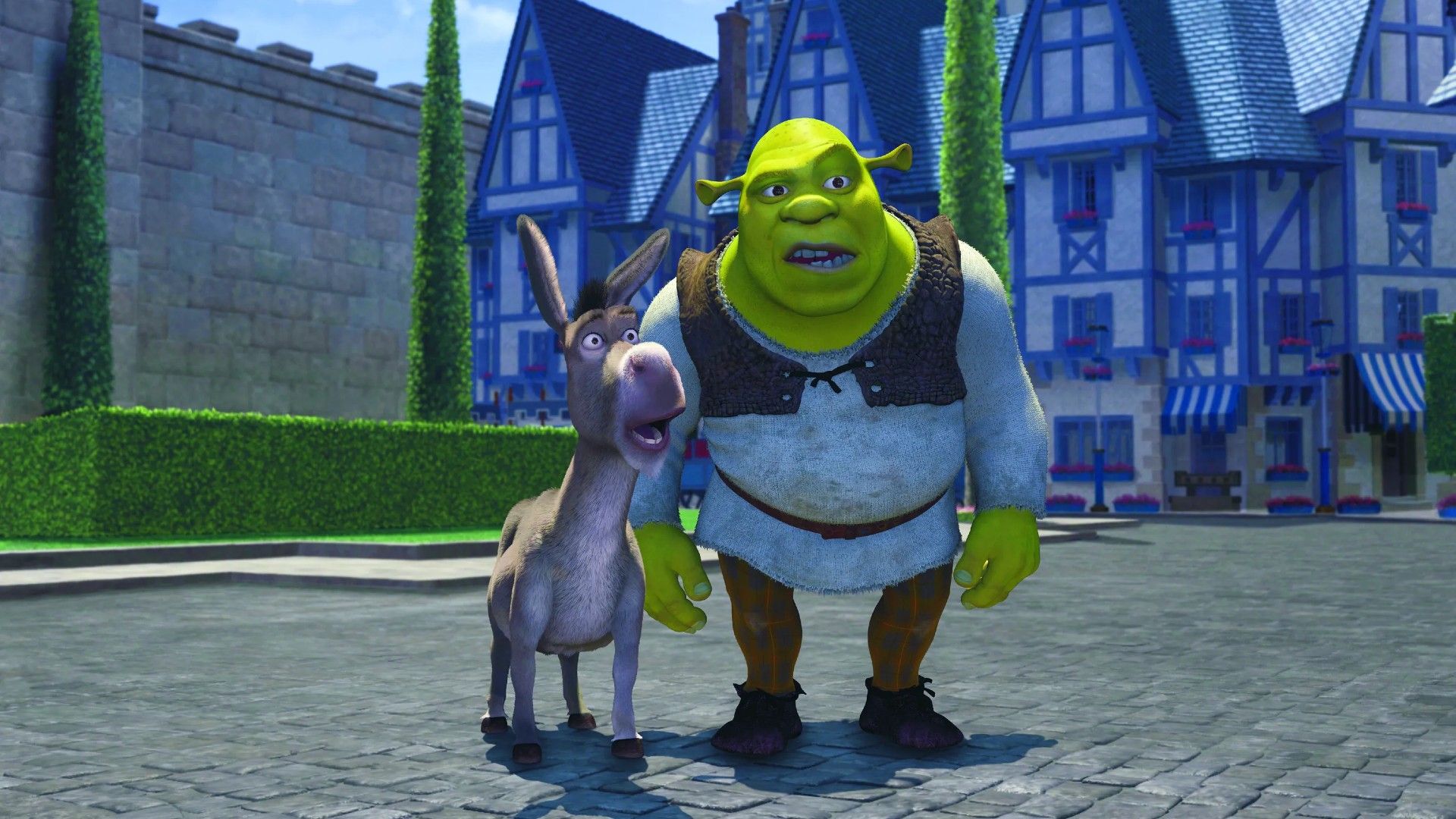
As a kid, Shrek is funny because there is a talking donkey, a dragon, a princess, and plenty of jokes that seem hilarious for no reason other than someone getting covered in something gross. As an adult, it is much easier to notice how much of the humor is actually aimed at the grown-ups watching.
Duloc is a good example. It has spotless streets, synchronized citizens, and an obsession with perfection as clearly poking fun at theme parks and manufactured happiness. Lord Farquaad's need to control everything, including who is considered beautiful enough to live in his kingdom, it even funnier when his insecurities become easier to recognize.
The same thing ends up happening with Shrek. As a kid, his constant insistence that he wants to be left alone is part of his grumpy charm. As an adult, it is easier to see that he has spent his entire life being judged by his appearance and now rejects people before they can reject him. Both characters have spent years worrying about being accepted for how they look, making Shrek's message about beauty and self-worth much more meaningful with age.
5 Freaky Friday

For most kids watching Freaky Friday, Anna is the one to root for, rather than Tess. Her mother does not understand her music, her friends, or why being a teenager feels so difficult. Tess seems like the parent who is always saying no, making rules, and getting in the way. Watching the movie as an adult makes it much harder to see her as the villain.
Tess has a lot more on her plate than Anna can see. She is raising children, working, planning a wedding, and trying to move forward after losing her husband. Anna is dealing with the very real frustrations of being a teenager, but neither has much patience for what the other is going through. That is what makes their mechanical body swap so ironic to watch. Instead of continuing to argue about who has it harder, they suddenly have no choice but to physically find out.
Anna discovers that adulthood is not nearly as carefree as she imagined, while Tess gets a much better sense of why her daughter feels dismissed and misunderstood. The situation is funny, but the conflict becomes more relatable with age.
When you are younger, it is easier to think adults are the problem. As you grow older, Freaky Friday makes a stronger case that sometimes both people are right, and neither one is listening.
4 The Incredibles

From a children's perspective, The Incredibles is a superhero movie about a family hiding their powers. From an adult's eye, Bob Parr's frustration is much easier to recognize and identify with. He goes from being Mr. Incredible, the guy people call when someone needs saving, to sitting behind a desk approving insurance claims. He used to stop criminals. Now he spends his days finding ways to help people who his boss would rather not pay.
That contrast explains why Bob cannot leave his old life behind. He is not just bored with his job. As Mr. Incredible, he was strong, admired, and genuinely felt useful. As Bob Parr, he feels stuck in a cubicle, sneaking around to help strangers because he misses having a reason to get out of bed excited. Even his home life reflects the change. He once had a partner who could keep up with him on the field; now Helen is focused on keeping their family safe while Bob tries to become his old self again in the background.
Watching as an adult changes the perception of Helen and why she's so frustrated. Bob is chasing the life he remembers, while she is dealing with the life they actually have. Bob is not trying to escape a bad life, he is just struggling to accept the life he misses is over.
3 Charlie And The Chocolate Factory

The fun of Charlie and the Chocolate Factory from a child's perspective is watching spoiled kids enter Willy Wonkas' factory and get the ridiculous punishments they seem to deserve. When you are older, it becomes much harder to see their behavior as something that came from nowhere. Each child arrives with horrible habits and expectations that have been reinforced at home, even if their parents cannot be blamed for every part of who they are.
Augustus Gloop has learned that indulgence is normal. Veronica Salt has learned that wanting something badly enough usually gets results. Violet Beauregarde has learned to treat everything as competition, while Mike Teavee has become so consumed by television and technology that his parents struggle to reach him. Their parents have clearly influenced them, but the movie also shows how differently children can respond to the surrounding environment.
Charlie provides that clearest contrast. His family has very little, yet he is surrounded by adults who give him affection, boundaries, and a sense of gratitude. That does not make him inherently better than the other children, but it does give him a different foundation to stand on.
Watching as an adult also makes Willy Wonka harder to write off as merely eccentric. His strained relationship with his father and his inability to form normal connections suggest an adult still carrying parts of the childhood he never resolved. The movie's children may be the ones getting punished, but the surrounding adults make the story much more complicated.
2 Hairspray

As a kid, Hairspray can feel like the ultimate feel-good musical. Tracy Turnblad wants to dance on television, impress her crush, and help integrate The Corny Collins Show. The bright costumes and huge musical numbers can make it easy to overlook what segregation actually costs the people fighting against it.
As an adult, Motormouth Maybelle's perspective makes those stakes much more specific. She is not hearing about segregation for the first time when Tracy decides to protest. She has watched Black performers get pushed off the same television stage, runs a record shop that gives her community a place to gather, and worries about what the same discrimination will mean for her children. When Tracy talks about integration, she is talking about a cause. Motormouth is talking about her family's life.
That difference gives Tracy's rebellion more context. Tracy has the privilege of discovering that the system is unfair and deciding she cannot accept it. Motormouth has spent years knowing it is unfair and calculating what it could cost to challenge it. Her hesitation is not a lack of courage. It comes from knowing exactly what is at stake.
Watching Hairspray as an adult makes that difference much harder to miss. The songs are still joyful, but Motormouth's story makes the fight behind them feel real. The movie is not just about Tracy learning to stand up for what is right. It is also about people who have already been standing up for themselves long before she arrived.
1 Bridge To Terabithia
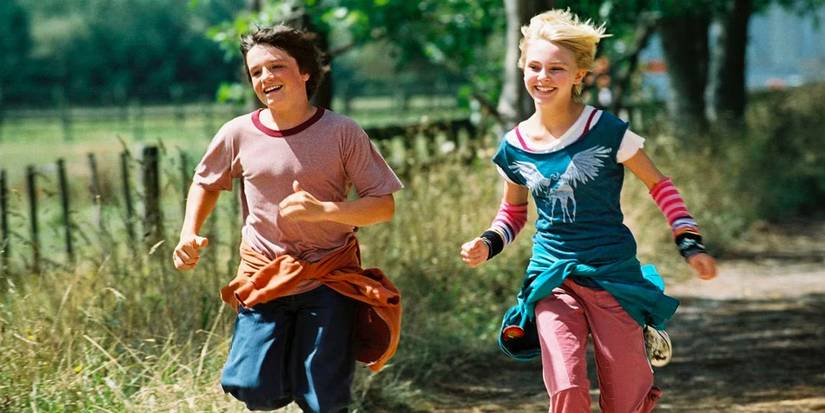
Bridge to Terabithia is one of those movies that can leave a very different impression depending on when it is watched. As a child, its fantasy world can feel like the center of the story. As an adult, it becomes easier to understand that Terabithia is not just an imaginary kingdom. It is the place where Jess and Leslie can be themselves when the real world feels overwhelming.
Jess begins the story feeling overlooked. He struggles to connect with his family and often feels out of place at school, but Leslie encourages the creative side of him that he has kept hidden. Together, they build Terabithia into a world where they can confront the fears and frustrations they cannot always express in their everyday lives.
That makes the movie's devastating turn feel different with age. Losing Leslie is not just the loss of Jess's best friend. He loses the person who helped him see himself differently, and he has to figure out how to carry that influence forward.
The ending is painful, but it is not entirely about loss. Jess eventually brings what Leslie taught him into his relationship with his younger sister, showing that the people who change us can remain part of our lives even after they are gone.
- Release Date
- May 18, 2001
- Runtime
- 90 minutes
- Director
- Andrew Adamson, Vicky Jenson
- Writers
- Terry Rossio, Joe Stillman, Roger S.H. Schulman, Ted Elliott, William Steig, J.M. Barrie, Carlo Collodi
- Producers
- Aron Warner, David Lipman, Jeffrey Katzenberg, John H. Williams, Penney Finkelman Cox
KioskNews shows a cleaned-up reading view extracted from the publisher’s page — the original always lives on their site, not ours.