Nearly 1 in 3 unattended dogs captured in Hong Kong euthanised this year
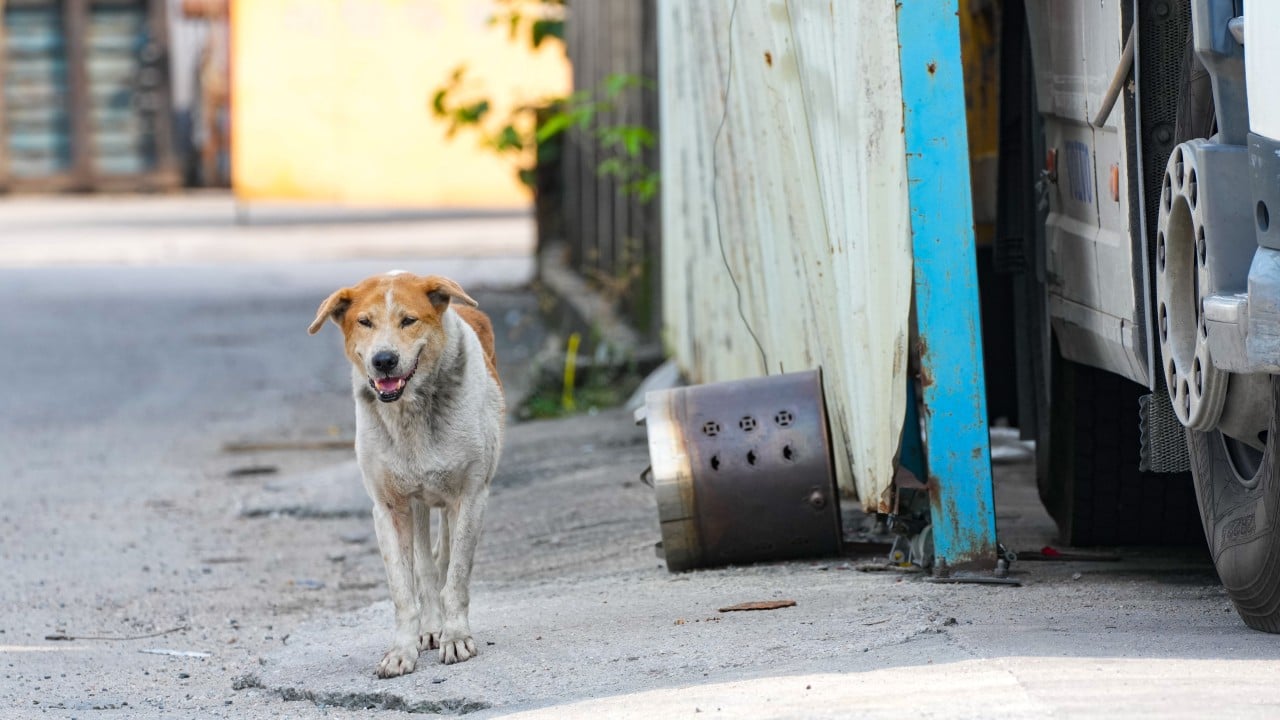
Roughly one in three unattended dogs captured by Hong Kong authorities had been euthanised as of May this year, a sharp rise from 18 per cent in 2021, according to the latest legislative documents.
The proportion of captured unattended dogs later reclaimed by their owners or transferred to animal welfare groups for rehoming has also fallen over the past five years, the Environment and Ecology Bureau told lawmakers on Wednesday.
In a written response to the Legislative Council, Secretary for Environment and Ecology Tse Chin-wan said a total of 617 unattended dogs had been euthanised between 2021 and May this year.
The euthanasia rate nearly doubled from 18 per cent in 2021 to 37 per cent in 2024, before easing to about 31 per cent in 2025. About 30 per cent, or 55 dogs, had been euthanised as of May this year.
Transfers to animal welfare groups for rehoming also fell from about 45.6 per cent of captured unattended dogs in 2021 to about 36 per cent in 2025. Around 32 per cent, or 57 dogs, had been transferred as of May this year.

Meanwhile, fewer owners are reclaiming their lost dogs. The reclaim rate fell steadily from about 29 per cent in 2021 to 20 per cent last year. Around 22 per cent, or 40 dogs, had been reclaimed by owners as of May this year.
The bureau said the three animal rehoming centres partnering with the Agriculture, Fisheries and Conservation Department, which falls under its purview, could accommodate a total of about 450 animals, including stray dogs.
A fourth rehoming centre is targeted for completion by the end of 2027.
The response added that existing laws do not allow a dog microchip to be registered on another person’s behalf. The department is considering clearer wording in the dog licence application form to remind keepers of their responsibility to properly control their dogs.
Tse reiterated that the government was conducting a comprehensive review of existing dog-control legislation and would consult the legislature on proposed amendments by the end of this year, with the aim of amending the laws in 2027.
He acknowledged that current penalties for abandoning animals and failing to keep dogs under control were “not sufficiently deterrent”, and vowed to study increasing the penalties for such offences.
Under the Dangerous Dogs Regulation, “fighting dogs” currently include pit bull terriers, Japanese Tosas, Dogo Argentinos and Fila Brasileiros, as well as any crossbreeds of these four types.
Asked whether the definitions should be updated, Tse said the government was “listening to the views of different stakeholders” and would refer to practices in other countries and regions when formulating a proposal.
Hong Kong’s animal welfare laws – namely the Protection of Cruelty to Animals Ordinance and Dangerous Dogs Regulations – have come under intense public scrutiny following a spate of dog attacks, including the suspected fatal mauling of a woman in Yuen Long in September, with legal experts calling for long-delayed reform.
Animal welfare advocates also urged the government to close a legal loophole that made it difficult to prosecute owners who failed to microchip or properly secure their animals.
The city’s unattended dogs, many of them free-roaming warehouse guard dogs, have been thrust into the media spotlight since the attacks, although authorities have not publicly confirmed which specific animals were responsible.
Many animal welfare activists earlier told the SCMP that they would forge ahead with microchipping stray dogs despite heightened legal risks, arguing that charging dog rescuers was counterproductive. They also renewed calls for a comprehensive “trap, neuter, release” programme as an alternative to euthanasia.
KioskNews shows a cleaned-up reading view extracted from the publisher’s page — the original always lives on their site, not ours.