From yellow-green to electric blue: Delhi’s changing bus landscape
The Delhi Transport Corporation (DTC) retired its last red AC low-floor bus on Tuesday, which was also the last bus to be wholly owned and operated by the state transport department. All DTC buses are now under contract and managed by concessionaires.
While the DTC bid an emotional goodbye to the vehicle that has dominated Delhi’s public transport memory for over a decade, this is not the first ‘end-of-an-era’ moment for the transport department, which has undergone multiple major shifts over the years.
Also Read: DTC plans full-body ads on e-buses, revives shelved proposal
The Capital’s public bus service has undergone several transformations since the first government-run service began in 1948. The Delhi Transport Service was later brought under the DTC, which was established in 1971. For decades, Delhi’s roads were dominated by conventional, high-floor buses, largely in the familiar yellow-and-green livery.
The next major shift came after the Supreme Court-directed transition from diesel to CNG in the late 1990s and early 2000s. The 2010 Commonwealth Games then triggered a substantial fleet modernisation. Between 2007 and 2011, DTC inducted around 3,700 low-floor CNG buses, including the now-familiar green non-AC and red AC buses. With automatic transmission, air suspension, wider doors and improved accessibility, they marked a significant departure from the older fleet.
Also Read: 96% of DTC buses back on road, Delhi HC told; petition closed
Delhi’s bus landscape then expanded beyond DTC. The cluster bus scheme began in 2011, bringing privately operated orange buses into the city’s public transport network. Dark-blue AC cluster buses followed as the system expanded.
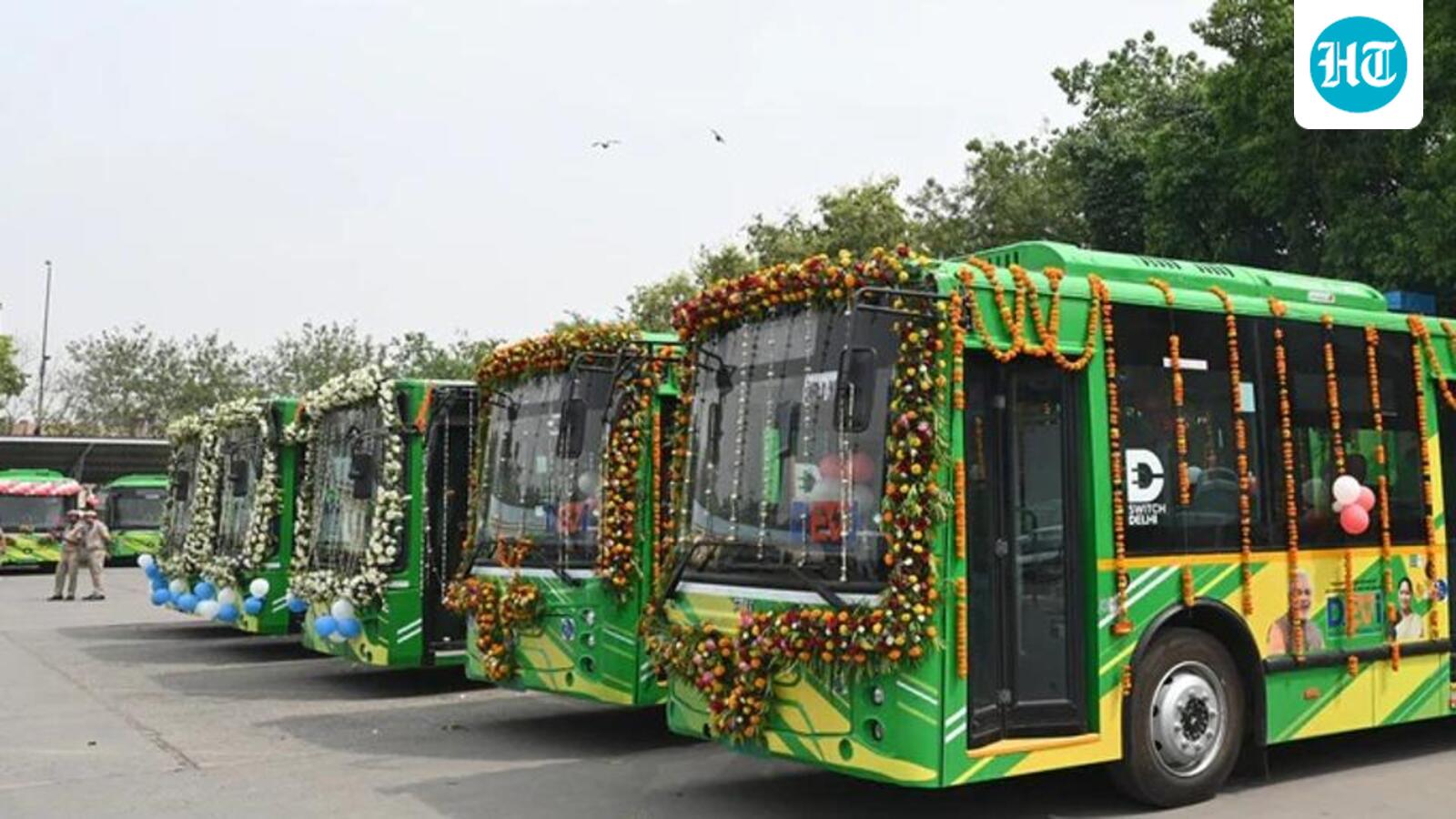
The latest transition is from CNG to electric. DTC began large-scale induction of light-blue electric buses in 2022, with low-floor AC buses equipped with features such as GPS, CCTV and passenger information systems.
By March 2026, Delhi’s DTC/transport fleet included 4,338 electric buses, signalling another major shift in the city’s public transport system, while the remaining ageing fleet of 1,861 CNG buses is expected to be retired within this year.
KioskNews shows a cleaned-up reading view extracted from the publisher’s page — the original always lives on their site, not ours.