Border Force officer sacked for using company car to make detour to see dying father

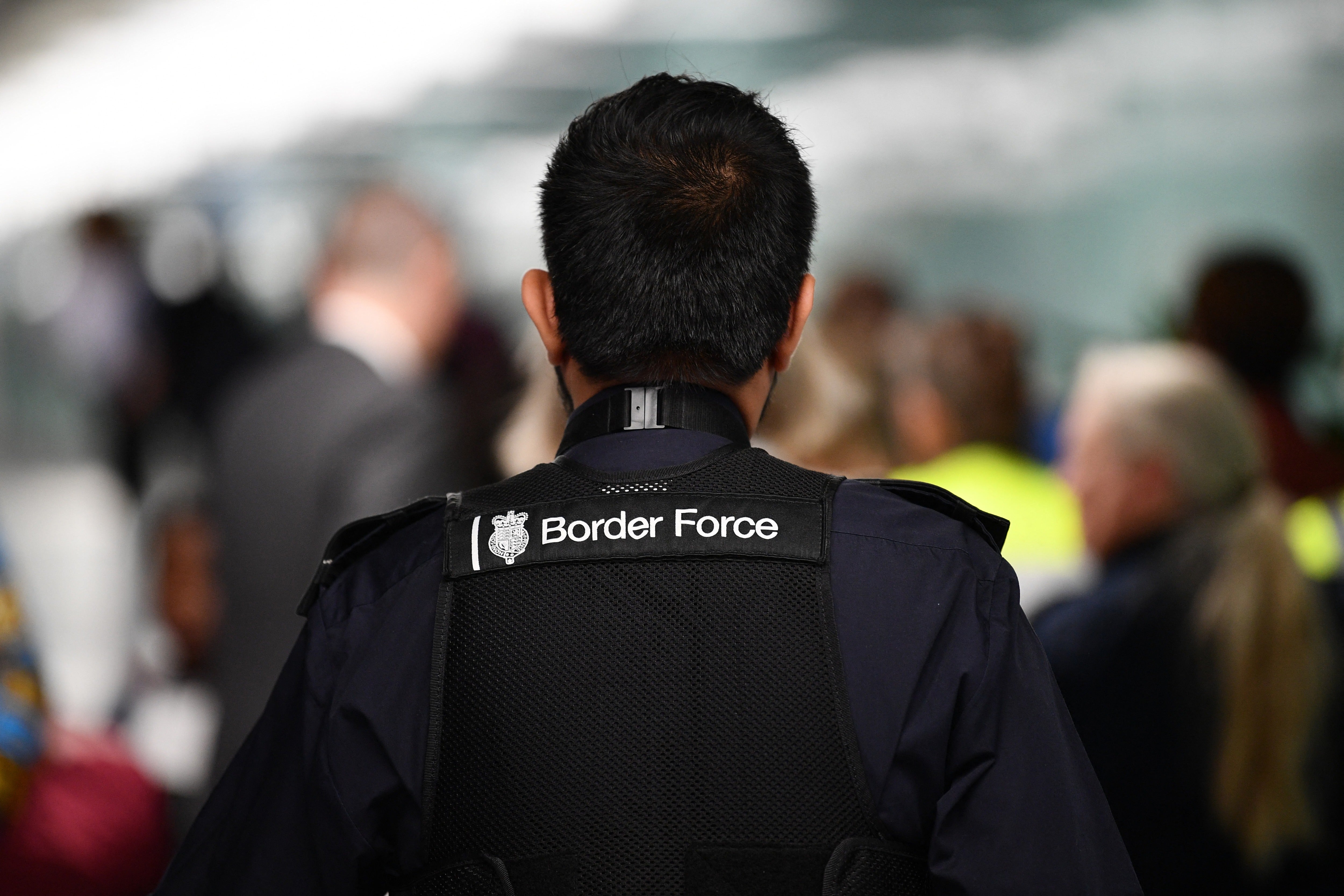
A Border Force officer was fired for using a company car to make a detour to visit his dying father.
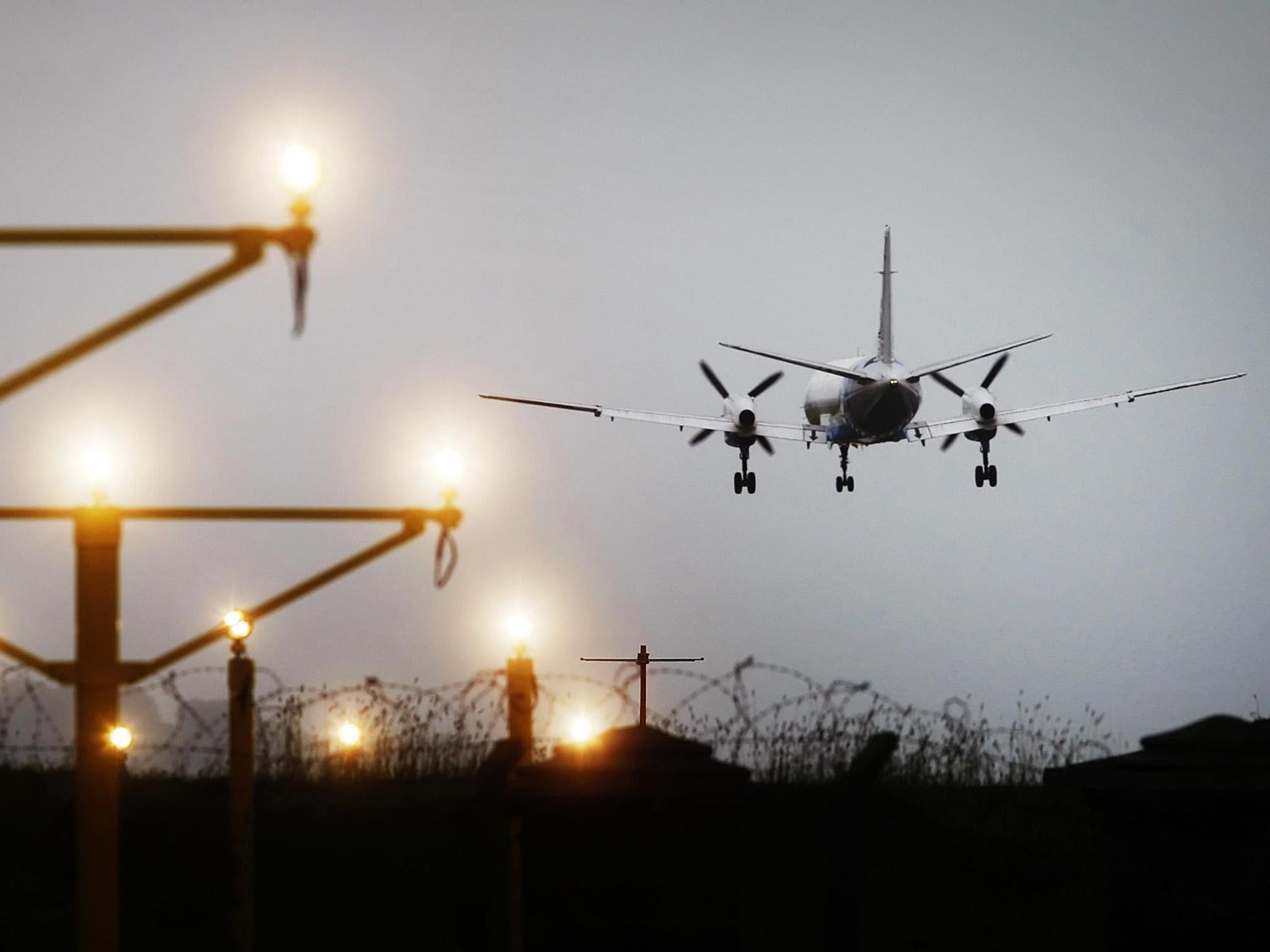
Alexander Casteel was based at Glasgow Airport, and was using the car while away on a training course.
On two occasions, he diverted just 18 miles from his scheduled route to see his terminally ill father.
He also made a 10-minute diversion to drop dog medication off at his daughter’s house.
The three diversions totalled just over two hours and 80 miles.
They were picked up via a vehicle tracker and led to Mr Casteel, who had been employed as a Border Force officer since February 2019, being sacked for gross misconduct.
He appealed to an employment tribunal, saying that he had been unfairly dismissed, but his claims have now been thrown out by a judge.
Mr Casteel began working as a Border Force Officer at Glasgow Airport in February 2019.
As a civil servant, he was subject to a policy that said “the use of fleet vehicles for private purposes is expressly prohibited”.
Any staff breaching the rules would not be insured, and private use would constitute a criminal offence unless authorisation was given, according to the policy.
In August 2025, Mr Casteel’s line manager, Gary Ollerton, emailed him regarding some “obscure locations” picked up by vehicle tracking technology.
He wrote: "Can you please offer an explanation for the dates and destinations that are detailed?"
Mr Casteel replied saying that the diversions were minor, with the first being to drop off medication for his dog and the other two to make urgent visits to his father, who had become incoherent.
The first diversion, in March 2025, was 10 minutes to his daughter's house whilst travelling from Glasgow to Birmingham.
The later incidents happened in July 2025, while he was staying in Runcorn, Cheshire and attending a training course.
Mr Casteel drove from Runcorn to Chester to visit his terminally ill father, who lived in a care home. The two diversions lasted 40 minutes on one occasion and 90 minutes on the second occasion.
It was found that he had not sought authorisation for the deviations, did not record any variations to his journeys, and would not have been insured.
It was decided that his actions amounted to gross misconduct and he was sacked.
Mr Casteel alleged that he was bullied by colleagues and he would have made more of an effort to seek retrospective permission had he not been bullied.
He took the case to an employment tribunal in Glasgow, where his unfair dismissal complaint was rejected.
Employment Judge Michelle Sutherland said: "[Mr Casteel] submits that his dismissal was unfair because [Mr Ollerton], his line manager, conducted an informal investigation without advising him of the allegations, the disciplinary risk and his right to representation.
"It was entirely reasonable for his manager to ask [Mr Casteel] to explain the deviations to his route.
"These did not constitute allegations until it was apparent that [Mr Casteel] was unable to provide a business related reason.
"[Mr Casteel] was a civil servant and expected to uphold the Civil Service Values of integrity, honesty, objectivity and impartiality.
"[Mr Casteel] was or ought reasonably to have been aware that he was not permitted to use an official vehicle for personal use given the terms of the policy.
"[UK Border Force] had a reasonable belief that [Mr Casteel] had driven an official vehicle for unauthorised purposes namely that on three occasions he had deviated from his route for personal reasons."
KioskNews shows a cleaned-up reading view extracted from the publisher’s page — the original always lives on their site, not ours.